نوشته‌ها

لعاب‌های سرامیکی

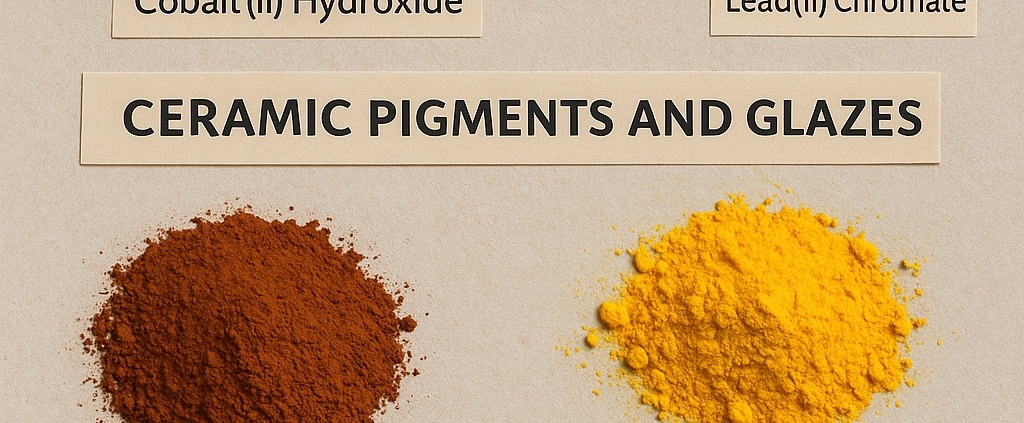
🎨 راهنمای جامع ترکیبات فلزی برای تولید رنگدانه‌ها و لعاب‌های سرامیکی

مقدمه

رنگدانه‌ها و لعاب‌های سرامیکی نه‌تنها نقش تزئینی دارند، بلکه به عنوان یک پوشش مقاوم، ضد خوردگی و مقاوم در برابر حرارت و مواد شیمیایی عمل می‌کنند. در قلب این فناوری، ترکیبات فلزی قرار دارند؛ موادی که به دلیل ساختار الکترونی خاص خود، طیف گسترده‌ای از رنگ‌ها، خواص نوری و مقاومت حرارتی را ایجاد می‌کنند. از جمله این ترکیبات می‌توان به اکسیدها، هیدروکسیدها، کرومات‌ها و فریت‌های فلزی اشاره کرد.

یکی از مهم‌ترین ترکیبات در این زمینه، هیدروکسید کبالت (Cobalt(II) Hydroxide) است که به‌طور مستقیم یا غیرمستقیم در تولید لعاب‌های آبی و سبز رنگ استفاده می‌شود.


چرا ترکیبات فلزی؟

ترکیبات فلزی به‌دلیل داشتن یون‌های گذار (transition metals) قابلیت انتقال الکترون بین ترازهای انرژی داخلی را دارند که باعث جذب و بازتاب نور در طول‌موج‌های مختلف می‌شود. نتیجه این ویژگی، تولید رنگ‌هایی خاص، براق و ماندگار در لعاب سرامیکی است.


🎨 دسته‌بندی ترکیبات فلزی پرکاربرد در لعاب‌سازی

ترکیبات فلزی در لعاب‌سازی به‌عنوان عامل رنگ‌زا (colorant) یا فازهای عملکردی (مثل فریت‌ها و فازهای مات‌کننده) استفاده می‌شوند. انتخاب ترکیب مناسب به عوامل متعددی بستگی دارد:
از جمله نوع بدنه سرامیکی، دمای پخت، محیط کوره (اکسیدی یا احیایی)، و شفاف یا مات بودن لعاب.

در ادامه ترکیبات فلزی پرکاربرد را بر اساس نوع عنصر فلزی، رنگ حاصل، محیط پخت و ویژگی‌های خاص طبقه‌بندی کرده‌ایم:

💠 نوع ترکیب 🧪 نمونه ترکیب رایج 🎨 رنگ در لعاب 🔥 محیط پخت ⚙️ کاربرد صنعتی / هنری
هیدروکسیدها هیدروکسید کبالت (Co(OH)₂) آبی فیروزه‌ای تا سبزآبی اکسیدی لعاب هنری، کاشی حرارتی، پوشش مقاوم
اکسیدها اکسید آهن (Fe₂O₃), CoO, CuO قرمز، قهوه‌ای، آبی اکسیدی یا احیایی لعاب تزئینی، سنتی، صنعتی
کرومات‌ها PbCrO₄، Cr₂O₃ زرد، سبز تیره اکسیدی لعاب‌های شفاف و تزئینی
مولیبدات‌ها MoO₃, ZnMoO₄ زرد روشن، نارنجی اکسیدی لعاب مینایی، تزئینی
فریت‌های فلزی نیکل-آهن، کبالت-کروم خاکستری، سیاه دمای بالا سرامیک مهندسی، ایزولاسیون الکتریکی
فسفات‌ها MnPO₄، Co₃(PO₄)₂ صورتی، آبی کم‌رنگ احیایی لعاب سرامیک هنری
سیلیکات‌ها CuSiO₃، Co₂SiO₄ سبز، آبی دمای بالا لعاب ظروف نسوز
فریت‌های پیچیده Cr-Co-Fe, Cu-Ni-Co خاکستری تیره تا سیاه احیایی / اکسیدی لعاب کاشی کف، لعاب مقاوم در برابر سایش

🔍 نکات کلیدی در استفاده از ترکیبات فلزی در لعاب‌های سرامیکی

  1. ترکیب محیط پخت با ساختار ترکیب فلزی مهم است:
    مثلاً اکسید مس در محیط احیایی رنگ سبز یا فیروزه‌ای می‌دهد ولی در محیط اکسیدی رنگ قهوه‌ای یا مشکی تولید می‌کند.

  2. هیدروکسید کبالت (Co(OH)₂) در لعاب‌سازی نقش دوگانه دارد:
    هم به‌عنوان رنگدانه (از طریق تجزیه حرارتی به CoO)، و هم به‌عنوان پیش‌ماده برای فریت‌های چندفلزی.

  3. سمّیت برخی ترکیبات (مثل PbCrO₄ یا ترکیبات آنتیموان‌دار) نیازمند استفاده محدود یا جایگزینی با ترکیبات کم‌خطرتر است.

  4. پایداری رنگ وابسته به ساختار شیشه‌ای لعاب، ترکیب فازی، و دمای پخت است؛ به‌همین دلیل، آزمایش اولیه همیشه توصیه می‌شود.


📌 مثال کاربردی: نقش هیدروکسید کبالت در سیستم‌های سیلیکاتی

در لعاب‌های سیلیکاتی (حاوی SiO₂ بالا)، افزودن هیدروکسید کبالت در دمای ۱۰۵۰ تا ۱۲۰۰ درجه باعث ایجاد رنگ آبی شفاف پایدار می‌شود. اگر در ترکیب، آلومینا و بوراکس نیز حضور داشته باشند، رنگ نهایی به‌سمت بنفش یا سبز تیره متمایل خواهد شد.

👉 برای تهیه هیدروکسید کبالت با کیفیت آزمایشگاهی و صنعتی، از صفحه
🔗 فروش هیدروکسید کبالت
دیدن فرمایید.


نقش هیدروکسید کبالت در تولید رنگدانه‌های آبی و سبز

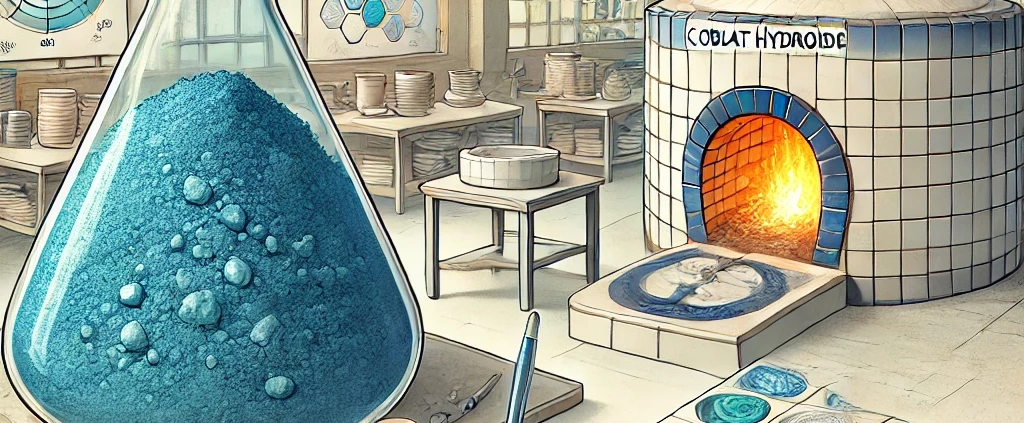
هیدروکسید کبالت با ساختار شیمیایی Co(OH)₂، یکی از مواد مهم اولیه در تولید رنگدانه‌های آبی در لعاب‌های سرامیکی است. این ماده در حین فرآیند پخت سرامیک، به اکسید کبالت (CoO) تجزیه شده و با سیلیکا یا سایر ترکیبات سرامیکی وارد واکنش می‌شود.

مزایا:

  • پایداری رنگ در دمای بالا

  • مقاوم در برابر مواد شیمیایی و سایش

  • امکان تولید طیف‌های رنگی مختلف با تغییر ترکیب لعاب

📌 برای آشنایی با محصول، مشخصات فنی و خرید این ترکیب، به صفحه
🔗 هیدروکسید کبالت | فروش و مشخصات کامل
مراجعه کنید.


ترکیبات فلزی دیگر و نقش آن‌ها

🔶 اکسید آهن (Fe₂O₃):

ایجاد رنگ قهوه‌ای تا قرمز، پرکاربرد در لعاب‌های سنتی و روستایی.

🔷 اکسید مس (CuO):

ایجاد رنگ سبز یا فیروزه‌ای در محیط‌های احیایی.

🔶 اکسید کروم (Cr₂O₃):

رنگ سبز تیره در لعاب‌های مات و مقاوم به خوردگی.

🔷 اکسید نیکل (NiO):

ایجاد رنگ خاکستری، قهوه‌ای و مشکی در لعاب‌های صنعتی.

🔶 اکسید منگنز (MnO₂):

کاربرد در تولید رنگ‌های بنفش و قهوه‌ای.


ویژگی‌های مورد انتظار از ترکیب رنگدانه فلزی مناسب لعاب

  1. پایداری در دمای بالا (بین ۱۰۰۰ تا ۱۳۰۰ درجه)

  2. عدم واکنش ناخواسته با سایر اجزای لعاب

  3. ثبات رنگ در محیط احیایی یا اکسیداسیونی

  4. امکان ترکیب‌پذیری با سایر رنگدانه‌ها برای تولید طیف‌های ترکیبی


روش‌های افزودن ترکیبات فلزی به لعاب

  • به‌صورت مستقیم در ترکیب لعاب (mixing)

  • به‌صورت پیش‌ماده پخته شده (fritting)

  • به صورت دوغاب یا سوسپانسیون بر روی سطح بدنه خام یا لعاب‌خورده


نتیجه‌گیری

در صنعت سرامیک و لعاب‌سازی، ترکیبات فلزی کلیدی‌ترین نقش را در تعیین کیفیت، رنگ و عملکرد محصول نهایی دارند. در این میان، هیدروکسید کبالت به‌عنوان یک منبع عالی برای رنگ‌های آبی و سبز، جایگاه ویژه‌ای دارد. با انتخاب ترکیبات مناسب و رعایت شرایط پخت، می‌توان لعاب‌هایی زیبا، مقاوم و ماندگار تولید کرد.

🔗 برای کسب اطلاعات بیشتر یا خرید هیدروکسید کبالت با خلوص بالا، همین حالا از صفحه محصول بازدید کنید:
👉 مشاهده و خرید هیدروکسید کبالت

📚 منابع علمی و تخصصی:

  1. Kingery, W. D., Bowen, H. K., & Uhlmann, D. R. (1976).
    Introduction to Ceramics (2nd ed.) – John Wiley & Sons
    ✔️ یکی از منابع مرجع در مهندسی سرامیک که به‌طور کامل به ترکیبات رنگ‌زا و ویژگی‌های حرارتی آن‌ها می‌پردازد.

  2. Reed, J. S. (2008).
    Principles of Ceramics Processing – Wiley-Interscience
    ✔️ توضیح نقش ترکیبات فلزی در پخت و لعاب‌سازی با نمودارهای عملیاتی و فازی.

  3. Höland, W., & Beall, G. H. (2012).
    Glass-Ceramic Technology – Wiley
    ✔️ مرجع برای ترکیبات فلزی در تولید رنگ‌های شیشه‌ای و لعاب‌های صنعتی.

  4. ScienceDirect – Journal of the European Ceramic Society
    https://www.sciencedirect.com/journal/journal-of-the-european-ceramic-society
    ✔️ مقالات تخصصی درباره کاربرد هیدروکسید کبالت، اکسیدها و رنگدانه‌های فلزی در لعاب‌های دما بالا.

  5. PubChem – Cobalt(II) Hydroxide
    /https://pubchem.ncbi.nlm.nih.gov/compound/Cobalt-II-hydroxide
    ✔️ اطلاعات فنی و ساختاری دقیق درباره هیدروکسید کبالت.

  6. Ceramic Industry Magazine – Ceramic Pigments and Colors
    https://www.ceramicindustry.com (جستجو: ceramic pigments cobalt)
    ✔️ مقالات صنعتی درباره روندهای بازار و ترکیبات رنگی مورد استفاده در کاشی، چینی، و سرامیک.

  7. Sigma-Aldrich – Cobalt(II) Hydroxide Product Page
    https://www.sigmaaldrich.com (جستجو: cobalt hydroxide)
    ✔️ دیتاشیت‌های تخصصی، اطلاعات ایمنی، و گریدهای مختلف ماده.


🎨 Comprehensive Guide to Metallic Compounds for Ceramic Pigments and Glazes

Introduction

Ceramic pigments and glazes serve not only decorative purposes but also function as protective coatings against corrosion, high temperatures, and chemical exposure. At the core of this technology are metallic compounds, which, due to their unique electron structures, generate a wide range of colors, optical properties, and thermal resistance. Among these, oxides, hydroxides, chromates, and ferrites play a leading role.

One of the most important compounds in this field is Cobalt(II) Hydroxide, which is used directly or indirectly in the production of blue and green ceramic glazes.

Why Metallic Compounds?

Metallic compounds, particularly those containing transition metals, exhibit electron transitions between energy levels, resulting in the absorption and reflection of specific wavelengths of light. This behavior gives rise to the vibrant, glossy, and long-lasting colors characteristic of ceramic glazes.

🎨 Classification of Common Metallic Compounds in Ceramic Glazing

Metallic compounds in glazes act as colorants or functional phases (e.g., frits or opacifiers). Their selection depends on factors like the ceramic body, firing temperature, kiln atmosphere (oxidizing or reducing), and desired glaze transparency or matte effect.

💠 Compound Type 🧪 Common Examples 🎨 Glaze Color 🔥 Firing Atmosphere ⚙️ Industrial/Artistic Use
Hydroxides Cobalt(II) Hydroxide (Co(OH)₂) Turquoise to Blue-Green Oxidizing Artistic glazes, thermal tiles, coatings
Oxides Fe₂O₃, CoO, CuO Red, brown, blue Oxidizing/Reducing Decorative, traditional, industrial
Chromates PbCrO₄, Cr₂O₃ Yellow, dark green Oxidizing Transparent and decorative glazes
Molybdates MoO₃, ZnMoO₄ Bright yellow, orange Oxidizing Enamel glazes, artistic use
Metallic Ferrites Ni-Fe, Co-Cr Grey, black High-temp Engineering ceramics, electrical insulation
Phosphates MnPO₄, Co₃(PO₄)₂ Pink, pale blue Reducing Artistic ceramic glazes
Silicates CuSiO₃, Co₂SiO₄ Green, blue High-temp Heat-resistant cookware glazes
Complex Ferrites Cr-Co-Fe, Cu-Ni-Co Dark grey to black Reducing/Oxidizing Floor tiles, abrasion-resistant coatings

🔍 Key Tips for Using Metallic Compounds in Ceramic Glazes

  • Firing atmosphere + compound structure = color outcome: For example, CuO produces green or turquoise in reducing environments but may appear brown or black in oxidizing ones.
  • Cobalt(II) Hydroxide plays a dual role: As a pigment (via thermal decomposition to CoO) and as a precursor for complex frits.
  • Toxicity matters: Some compounds (e.g., PbCrO₄, antimony-based materials) are toxic and require limited or regulated use.
  • Color stability depends on the glass matrix, firing temperature, and crystalline phases — initial testing is always recommended.

📌 Application Example: Cobalt(II) Hydroxide in Silicate Glazes

In silicate-based glazes (high in SiO₂), adding Cobalt(II) Hydroxide at 1050–1200°C produces a stable transparent blue. If alumina and borax are present, the final hue may shift toward purple or dark green.

👉 To source high-purity Cobalt(II) Hydroxide for lab or industrial use, visit: 🔗 Cobalt Hydroxide Product Page


Role of Cobalt(II) Hydroxide in Blue/Green Pigment Production

Cobalt(II) Hydroxide, with formula Co(OH)₂, is a key precursor in producing blue ceramic pigments. During firing, it decomposes to CoO and reacts with silica and other ceramic ingredients.

Advantages:

  • Stable color at high temperatures
  • Resistant to chemicals and abrasion
  • Tunable hues based on glaze composition

📌 Learn more or purchase here: Cobalt Hydroxide | Product Info


Other Metallic Compounds and Their Roles

  • Iron Oxide (Fe₂O₃): Red to brown — traditional glazes
  • Copper Oxide (CuO): Green/turquoise in reducing kilns
  • Chromium Oxide (Cr₂O₃): Dark green, corrosion-resistant
  • Nickel Oxide (NiO): Grey, brown, black
  • Manganese Oxide (MnO₂): Purple and brown tones

What Makes a Good Pigment Compound for Glazes?

  • Stability at 1000–1300°C
  • Inert with other glaze ingredients
  • Color stability in both reducing and oxidizing kilns
  • Mixability for expanded color palette

Methods of Adding Metallic Compounds to Glazes

  • Direct mixing with glaze powder
  • As pre-fired frits
  • As slurry or suspension on bisque or raw glaze

Conclusion

Metallic compounds define the quality, color, and functionality of ceramic glazes. Among them, Cobalt(II) Hydroxide is a versatile and high-performance source of blue and green tones. With proper formulation and firing, artists and manufacturers can achieve vibrant, durable, and functional glaze finishes.

🔗 View and Buy Cobalt Hydroxide

هیدروکسید کبالت

هیدروکسید کبالت چیست؟ | معرفی، ویژگی‌ها، کاربردها و نکات ایمنی

مقدمه

هیدروکسید کبالت (Cobalt Hydroxide) با فرمول شیمیایی Co(OH)₂ یک ترکیب معدنی مهم از فلز کبالت است که در صنایع مختلف به‌ویژه در ساخت باتری‌ها، رنگ‌سازی، کاتالیست‌ها و سرامیک‌ها استفاده می‌شود. این ماده به دلیل ویژگی‌های شیمیایی خاص، نقش مهمی در واکنش‌های شیمیایی و کاربردهای فناورانه دارد.


۱. مشخصات کلی هیدروکسید کبالت (Cobalt(II) Hydroxide)

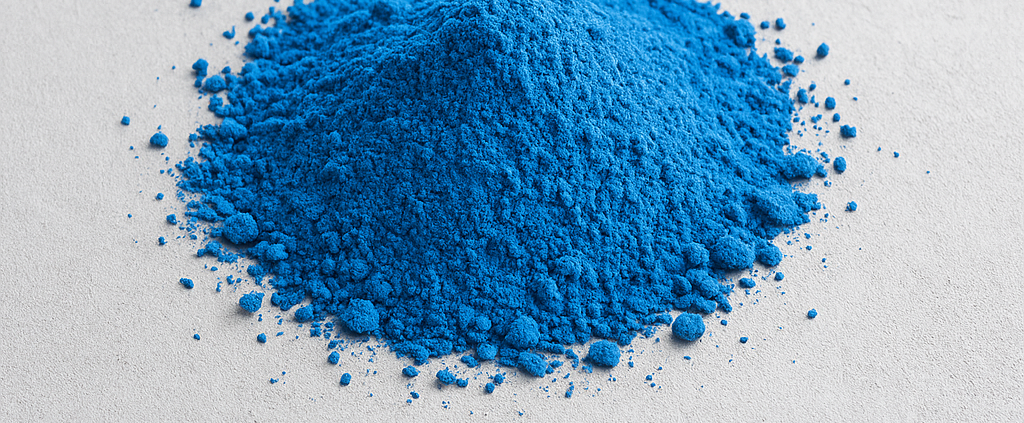
هیدروکسید کبالت که با نام علمی Cobalt(II) Hydroxide و فرمول شیمیایی Co(OH)₂ شناخته می‌شود، یکی از ترکیبات معدنی فلز کبالت است که در آن یون کبالت دارای عدد اکسایش +۲ می‌باشد. این ماده به‌صورت پودر جامد و با رنگی که از آبی کمرنگ تا صورتی مایل به بنفش تغییر می‌کند، در بازار موجود است. رنگ آن تحت‌تأثیر عواملی چون روش سنتز، میزان رطوبت محیط، و سطح خلوص واکنش‌دهنده‌ها می‌تواند تغییر کند.

ویژگی‌های فیزیکی و شیمیایی

ویژگی مقدار یا توضیح
نام علمی Cobalt(II) Hydroxide
نام عمومی هیدروکسید کبالت
فرمول شیمیایی Co(OH)₂
جرم مولی 92.95 گرم بر مول
حالت فیزیکی پودر جامد
رنگ آبی روشن تا صورتی، بسته به شرایط سنتز و هیدراسیون
ساختار بلوری ساختار شش‌ضلعی (hexagonal) در حالت خالص
نقطه ذوب قبل از ذوب تجزیه می‌شود
دمای تجزیه حدود 168 درجه سانتی‌گراد
حلالیت در آب بسیار کم (تقریباً نامحلول)
حلالیت در اسید محلول در اسیدهای معدنی مانند HCl، HNO₃

ساختار شیمیایی

در ساختار مولکولی این ترکیب، یک یون کبالت دوبار مثبت (Co²⁺) با دو یون هیدروکسید (OH⁻) پیوند یونی برقرار می‌کند. بلورهای آن معمولاً ساختار لایه‌ای دارند که این ویژگی باعث کاربرد بالقوه در حوزه‌ی نانومواد و ذخیره‌سازی انرژی می‌شود. همچنین، تمایل این ساختار به تبدیل شدن به اکسید کبالت (Co₃O₄) در اثر حرارت یا در تماس با هوا، کاربردهای خاصی در کاتالیست‌ها و فناوری باتری ایجاد می‌کند.

اشکال مختلف

  • فرم بی‌آب (anhydrous): در آزمایشگاه تولید می‌شود و رنگ آبی روشن دارد.

  • فرم آبدار (hydrated): معمولاً به رنگ صورتی یا بنفش دیده می‌شود و در تماس با هوا ممکن است به تدریج اکسید شود.

شناسه‌های بین‌المللی

نوع شناسه مقدار
CAS Number 21041-93-0
PubChem CID 14833
EC Number 244-166-4
HS Code 2825.30 (نمک‌های فلزی معدنی)

۲. ساختار و روش تهیه

ساختار بلوری هیدروکسید کبالت از یون‌های Co²⁺ و OH⁻ تشکیل شده است. این ترکیب معمولاً با واکنش نمک‌های کبالت (مانند کلرید کبالت) با بازهایی چون سدیم هیدروکسید یا پتاسیم هیدروکسید در محیط آبی به‌دست می‌آید:

رنگ نهایی پودر به شرایط محیطی، pH، دما و خلوص واکنش‌دهنده‌ها بستگی دارد.


۳. ویژگی‌ها و خواص فیزیکی-شیمیایی

  • رنگ‌پذیری متغیر: از آبی تا صورتی، به‌ویژه در حالت خشک یا هیدراته.

  • پایداری شیمیایی: نسبتاً پایدار، اما در مجاورت هوا و نور می‌تواند اکسید شده و به اکسید کبالت (Co₃O₄) تبدیل شود.

  • واکنش‌پذیری: با اسیدها واکنش داده و نمک‌های کبالت را تولید می‌کند.


۴. کاربردهای هیدروکسید کبالت (Co(OH)₂)

هیدروکسید کبالت به دلیل خواص فیزیکی و شیمیایی ویژه‌ای که دارد، در صنایع گوناگون از جمله باتری‌سازی، رنگ‌سازی، صنایع شیمیایی و حتی فناوری‌های نوین مانند نانوکاتالیست‌ها کاربرد فراوانی یافته است. در ادامه مهم‌ترین کاربردهای این ترکیب را به تفکیک حوزه بررسی می‌کنیم:


۴.۱. کاربرد در صنعت باتری

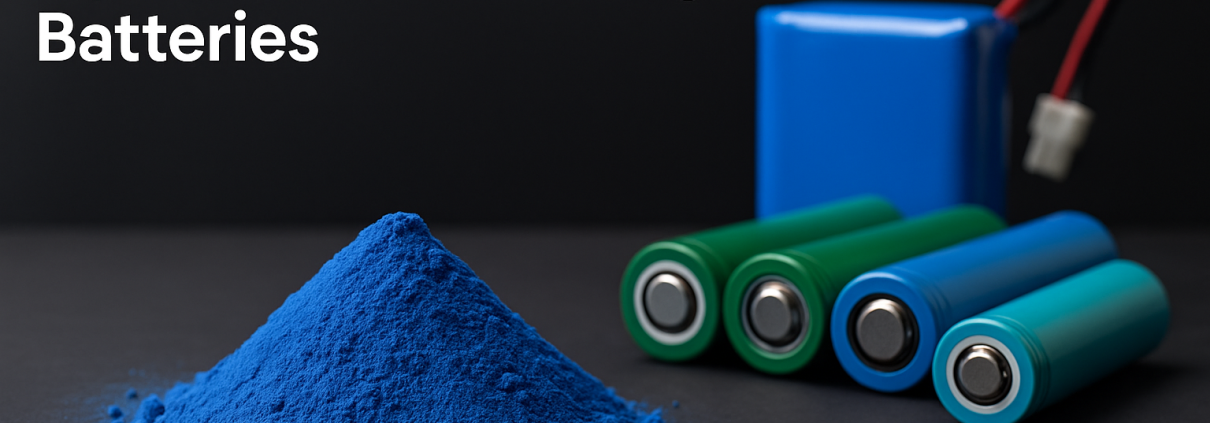
یکی از مهم‌ترین و رو‌به‌رشدترین حوزه‌های مصرف هیدروکسید کبالت، در ساخت باتری‌های قابل شارژ به‌ویژه باتری‌های لیتیوم-یون (Li-ion) و باتری‌های لیتیوم-پلیمری (Li-Po) است.

  • از Co(OH)₂ به‌عنوان ماده‌ی پیش‌ساز برای تولید اکسیدهای کبالت (مانند Co₃O₄ و LiCoO₂) استفاده می‌شود.

  • این اکسیدها به‌عنوان کاتد باتری‌های پیشرفته کاربرد دارند.

  • استفاده از این ترکیب باعث بهبود ظرفیت شارژ، چگالی انرژی، عمر مفید و پایداری حرارتی باتری می‌شود.

  • در خودروهای برقی، ذخیره‌سازهای انرژی خورشیدی و ابزارهای الکترونیکی کاربرد حیاتی دارد.


۴.۲. کاربرد در صنایع رنگ، شیشه و سرامیک

رنگ آبی کبالت یکی از پرکاربردترین رنگ‌های معدنی در صنایع تزئینی، سرامیکی و شیشه‌ای است.

  • هیدروکسید کبالت به‌عنوان رنگدانه سرامیکی برای ایجاد رنگ‌های آبی، بنفش و صورتی به کار می‌رود.

  • در تولید لعاب‌ها و رنگ‌های نسوز برای کاشی، ظروف چینی و شیشه‌های تزئینی استفاده می‌شود.

  • در شیشه‌گری سنتی نیز برای تولید شیشه‌های رنگی مقاوم در برابر UV به کار می‌رود.

  • استفاده در تولید لعاب‌های مقاوم به دما و اسید، به‌ویژه در پوشش‌های صنعتی و معماری.


۴.۳. کاربرد در کاتالیست‌ها و نانوفناوری

ترکیبات کبالت، از جمله هیدروکسید آن، در ساخت کاتالیست‌های ناهمگن و همگن استفاده گسترده‌ای دارند.

  • Co(OH)₂ به‌عنوان کاتالیست یا پیش‌ماده کاتالیست در واکنش‌های اکسایش، کاهش، هیدروژناسیون و سنتزهای آلی به کار می‌رود.

  • در صنعت پتروشیمی، در فرایندهایی مانند تولید سوخت‌های سنتزی و پلیمرها مورد استفاده قرار می‌گیرد.

  • در فناوری نانو، به‌صورت نانوذرات هیدروکسید کبالت برای حسگرهای شیمیایی، ذخیره انرژی و فوتوکاتالیست‌ها استفاده می‌شود.

  • در تصفیه فاضلاب نیز به‌عنوان جاذب یون‌های فلزی و آلاینده‌ها کاربرد بالقوه دارد.


۴.۴. کاربرد در صنایع شیمیایی و سنتز مواد

هیدروکسید کبالت، پایه‌ی بسیاری از ترکیبات کبالت‌دار در صنایع شیمیایی است.

  • به‌عنوان ماده‌ی اولیه برای تولید نمک‌های کبالت مانند کلرید کبالت، نیترات کبالت، سولفات کبالت و استات کبالت.

  • در تهیه رنگ‌های آلی فلزی، ترکیبات آلی فلزی (Organometallics) و مواد کمپلکس.

  • به‌عنوان عامل pH در واکنش‌های شیمیایی خاص.

  • در تولید داروهای ضد سرطان، مکمل‌های دارویی (در صورت تنظیم دقیق دوز) و مواد مغذی دام و طیور (به‌صورت کنترل‌شده).


۴.۵. کاربرد در حسگرهای زیستی و زیست‌فناوری

با گسترش نانوتکنولوژی، از Co(OH)₂ در توسعه‌ی حسگرهای زیستی (biosensors) استفاده می‌شود.

  • قابلیت تشخیص سریع یون‌ها و مولکول‌های خاص در محیط زیستی.

  • استفاده در سنسورهای تشخیص گلوکز، پراکسید هیدروژن، یا ترکیبات آلی فرار.

  • کاربرد در حوزه‌ی تشخیص‌های پزشکی و مانیتورینگ محیطی.


۴.۶. کاربردهای نوظهور

  • فیلترهای الکترومغناطیسی و حرارتی در تجهیزات نظامی و الکترونیکی.

  • پوشش‌های مقاوم در برابر سایش یا خوردگی در صنایع هوافضا و قطعه‌سازی.

  • مطالعات تحقیقاتی برای ساخت ابرخازن‌ها، کپسول‌های رهاسازی دارو و میکرو موتورهای شیمیایی.


۵. مزایای هیدروکسید کبالت

  • رسانایی الکتریکی مناسب در باتری‌ها.

  • قابلیت تنظیم خواص با افزودنی‌های شیمیایی.

  • عملکرد بالا در دماهای بالا و شرایط سخت.

  • یکی از منابع اصلی تولید نانوذرات کبالت.


۶. نکات ایمنی و زیست‌محیطی

  • استنشاق گرد و غبار آن ممکن است تحریک تنفسی ایجاد کند.

  • در صورت تماس با پوست یا چشم، باید فوراً با آب شستشو داده شود.

  • از استنشاق، بلع یا تماس طولانی‌مدت اجتناب شود.

  • در ظروف دربسته و در محیط خشک نگهداری شود.

  • به‌دلیل سمیت نسبی فلز کبالت، در مقادیر زیاد نباید وارد محیط زیست شود.


۷. بسته‌بندی و نگهداری

  • معمولاً در کیسه‌های پلیمری یا آلومینیومی ۲۵ کیلوگرمی عرضه می‌شود.

  • بسته‌بندی باید مقاوم در برابر رطوبت و اشعه فرابنفش باشد.

  • در مکان خشک، خنک و دور از تابش مستقیم آفتاب نگهداری شود.


۸. بازار و قیمت جهانی

  • منابع اصلی تولید: چین، کانادا، کنگو، روسیه.

  • قیمت به‌صورت مستقیم با نوسانات بازار فلزات کمیاب و کبالت خام ارتباط دارد.

  • استفاده روزافزون در باتری‌های خودروهای الکتریکی باعث افزایش تقاضا شده است.

📚 منابع علمی و معتبر

  1. PubChem – Cobalt(II) Hydroxide
    https://pubchem.ncbi.nlm.nih.gov/compound/14833
    پلتفرم رسمی موسسه ملی سلامت آمریکا (NIH) برای اطلاعات ساختاری، فیزیکی و کاربردهای شیمیایی مواد.

  2. Sigma-Aldrich Product Data Sheet – Cobalt(II) Hydroxide
    https://www.sigmaaldrich.com
    اطلاعات فنی، ایمنی، بسته‌بندی و آنالیز مواد شیمیایی صنعتی و آزمایشگاهی.

  3. ChemSpider – Cobalt Hydroxide
    https://www.chemspider.com
    پایگاه داده شیمیایی برای ترکیبات معدنی و آلی شامل ساختار، وزن مولکولی، ویژگی‌های فیزیکی و سنتز.

  4. “Battery Materials Handbook” – Editor: C. Julien
    ناشر: CRC Press
    فصل‌های مرتبط با ترکیبات کبالت در ساخت باتری‌های قابل شارژ، خواص الکتروشیمیایی و کاربردها.

  5. Materials Science of Cobalt-Based Oxides – Journal of Power Sources
    DOI: 10.1016/j.jpowsour.2019.227282
    بررسی تخصصی ترکیبات کبالت‌دار به‌عنوان کاتد باتری‌های لیتیوم-یون.

  6. Nanoscale Research Letters – “Cobalt Hydroxide Nanostructures”
    SpringerOpen
    مطالعات مربوط به نانوذرات Co(OH)₂ در حوزه ذخیره‌سازی انرژی و حسگرها.

  7. The Cobalt Institute (UK)
    https://www.cobaltinstitute.org
    منابع درباره بازار، زنجیره تأمین، قیمت جهانی، ایمنی و توسعه پایدار مواد کبالت‌دار.

  8. Global Cobalt Market Analysis Report – Research and Markets
    https://www.researchandmarkets.com
    داده‌های بازار و تحلیل روند مصرف جهانی هیدروکسید کبالت در صنایع مختلف.

  9. MSDSonline – Cobalt Hydroxide Safety Data Sheet
    اطلاعات ایمنی و بهداشت شیمیایی (MSDS) برای نگهداری، حمل‌ونقل و کار با هیدروکسید کبالت.

  10. Handbook of Ceramic Pigments and Coloring Agents – Edited by N. Salamone
    مباحث مربوط به استفاده از کبالت در رنگ‌ها، لعاب‌ها و سرامیک‌های صنعتی.

What is Cobalt(II) Hydroxide? | Properties, Applications, Safety and Market Guide

Introduction

Cobalt(II) Hydroxide, with the chemical formula Co(OH)₂, is an important inorganic compound of cobalt used extensively in battery manufacturing, ceramic pigments, chemical synthesis, and catalyst production. Thanks to its electrochemical, structural, and thermal properties, it plays a crucial role in both traditional industries and modern technologies such as nanomaterials and rechargeable batteries.


1. General Properties of Cobalt(II) Hydroxide

Cobalt(II) Hydroxide is an inorganic compound where cobalt is in the +2 oxidation state, bonded ionically with two hydroxide (OH⁻) ions. It is typically encountered as a blue or pinkish solid powder, and its appearance varies based on synthesis conditions, purity, and exposure to moisture or air.

Physical and Chemical Properties

Property Value / Description
Chemical name Cobalt(II) Hydroxide
Common name Cobalt Hydroxide
Chemical formula Co(OH)₂
Molar mass 92.95 g/mol
Physical state Solid powder
Color Light blue to pink (depends on hydration level)
Crystal structure Hexagonal (pure form)
Melting point Decomposes before melting
Decomposition temp ~168°C
Solubility in water Practically insoluble
Solubility in acids Soluble in mineral acids (e.g., HCl, HNO₃)

Chemical Structure

The molecular structure consists of a Co²⁺ ion coordinated with two OH⁻ ions in a layered lattice, often forming plate-like crystals. This configuration enables high surface reactivity and makes it valuable in nanotechnology and energy storage. Upon heating or oxidation, Co(OH)₂ readily transforms into Cobalt Oxide (Co₃O₄), which is widely used in battery and catalyst industries.

Common Forms

  • Anhydrous form: Laboratory-prepared, bright blue in color.

  • Hydrated form: Appears pink or violet and is less stable in air.

International Identifiers

Identifier Type Value
CAS Number 21041-93-0
PubChem CID 14833
EC Number 244-166-4
HS Code 2825.30

2. Synthesis and Chemical Structure

Cobalt(II) Hydroxide is typically synthesized via precipitation by reacting cobalt(II) salts (such as cobalt chloride or nitrate) with strong bases like sodium hydroxide (NaOH) or potassium hydroxide (KOH) in aqueous solution:

scss
CoCl₂ + 2NaOH → Co(OH)₂↓ + 2NaCl

Key factors influencing purity and color include:

  • Reaction pH

  • Temperature

  • Concentration of reagents

  • Atmosphere (air or inert gas)

The product is then filtered, washed, and dried under controlled conditions to yield high-purity Co(OH)₂ suitable for industrial applications.


3. Physical-Chemical Characteristics

  • Color variability: Ranges from light blue (anhydrous) to pink (hydrated).

  • Stability: Fairly stable in dry conditions but oxidizes easily in air.

  • Reactivity: Reacts with acids to produce cobalt salts; decomposes on heating to form cobalt oxides.

  • Thermal behavior: Decomposition begins around 168°C.


4. Applications of Cobalt(II) Hydroxide

4.1. In Battery Manufacturing

One of the most prominent uses of Co(OH)₂ is in lithium-ion and lithium-polymer rechargeable batteries:

  • Used as a precursor to produce cobalt oxides like LiCoO₂ and Co₃O₄.

  • Acts as a cathode material that enhances charge capacity, cycle life, and thermal stability.

  • Critical for batteries used in electric vehicles (EVs), energy storage systems, and portable electronics.

4.2. In Pigments, Glass, and Ceramics

Cobalt hydroxide is a key ingredient in ceramic and glass pigmentation:

  • Produces deep blue to violet glazes in porcelain, pottery, and tiles.

  • Used in heat- and acid-resistant coatings for industrial ceramics.

  • Provides UV-resistant blue coloring in specialty glass.

4.3. As Catalyst and in Nanotechnology

Co(OH)₂ is widely used in chemical catalysis and nanomaterial engineering:

  • Serves as a catalyst or precursor in hydrogenation, oxidation, and organic synthesis.

  • Applied in petrochemical processes and polymer production.

  • Nano-sized Co(OH)₂ particles are used in chemical sensors, photodetectors, and energy storage devices.

4.4. In Chemical Synthesis

Cobalt(II) Hydroxide acts as a precursor in the synthesis of other cobalt compounds:

  • Transformed into Cobalt Chloride, Nitrate, Sulfate, and Acetate via acid reactions.

  • Used in organometallic chemistry, coordination complexes, and advanced dyes.

  • Controls pH in specialized reactions and supports pharmaceutical and biochemical studies.

4.5. In Biosensors and Biotechnology

Thanks to its redox activity and surface reactivity, Co(OH)₂ is used in biosensor technologies:

  • Detects glucose, hydrogen peroxide, or organic compounds in biological samples.

  • Integrated into medical diagnostic devices and environmental monitoring tools.

  • Enables fast, accurate, and low-cost detection systems.

4.6. Emerging Applications

  • Electromagnetic shielding and thermal coatings for aerospace and military applications.

  • High-durability coatings in mechanical and electronic components.

  • Research material for supercapacitors, drug delivery systems, and micromotors.


5. Advantages of Cobalt(II) Hydroxide

  • High electrochemical performance and charge storage ability.

  • Compatible with thermal processes and high-temperature stability.

  • Easily integrated into nanostructures and thin films.

  • Versatile precursor for a wide range of cobalt-based materials.


6. Safety and Environmental Considerations

  • Inhalation of dust may cause respiratory irritation.

  • Skin or eye contact should be avoided; rinse immediately with water if exposure occurs.

  • Toxic in large quantities if ingested or improperly disposed.

  • Store in airtight containers in dry, cool conditions.

  • Avoid environmental release due to potential ecotoxicity.


7. Packaging and Storage

  • Commonly packed in 25 kg polyethylene or aluminum drums.

  • Must be sealed against moisture, light, and air.

  • Stored in cool, dry, and ventilated areas away from oxidizers and acids.


8. Market and Global Trade

  • Major producers: China, Congo, Canada, Russia.

  • Closely tied to the price of cobalt metal and EV battery demand.

  • Market growth is driven by the transition to electric vehicles and green energy storage systems.

هیدروکسید کبالت

۵ کاربرد مهم هیدروکسید کبالت در باتری‌های قابل شارژ

شیمیایی شیمیو عرضه‌کننده مستقیم هیدروکسید کبالت در ایران

🔹 چکیده

هیدروکسید کبالت (Co(OH)₂) یکی از ترکیبات کلیدی در فناوری ساخت باتری‌های قابل شارژ است که به‌دلیل ساختار نیمه‌رسانا، ظرفیت ذخیره بار بالا، و قابلیت تبدیل‌پذیری به اکسید کبالت، در طراحی و بهبود عملکرد باتری‌های لیتیوم-یون، یون‌سدیوم، و ابرخازن‌ها نقش حیاتی دارد. در این مقاله، ۵ کاربرد اصلی این ماده در باتری‌ها بررسی شده و نقش آن در بهبود راندمان، چرخه عمر و ایمنی باتری‌ها تحلیل می‌شود.


۱. ماده پیش‌ساز برای ساخت کاتد اکسید کبالت (Co₃O₄ و LiCoO₂)

هیدروکسید کبالت یکی از مهم‌ترین پیش‌ماده‌ها برای سنتز اکسید کبالت است که در باتری‌های لیتیوم-یون به‌عنوان کاتد استفاده می‌شود.

ویژگی تأثیر
خلوص بالا و واکنش‌پذیری عالی کنترل بهتر ساختار بلوری Co₃O₄
قابلیت تنظیم ذرات نانویی افزایش سطح فعال و چگالی انرژی

Co(OH)₂ → Co₃O₄ (با حرارت‌دهی) → LiCoO₂ (در فرآیند لیتیاسیون)


۲. مشارکت مستقیم ساختار الکترود مثبت در باتری‌های فلز-هوا و یون‌سدیم

در برخی باتری‌ها، Co(OH)₂ مستقیماً به‌عنوان ماده فعال در کاتد استفاده می‌شود.

  • در باتری‌های سدیم-یون (Na-ion): به‌عنوان الکترود پشتیبان برای افزایش پایداری در چرخه‌های شارژ-دشارژ

  • در باتری‌های فلز–هوا (مانند Zn–Air): برای تقویت واکنش احیای اکسیژن (ORR) در الکترود کاتدی

Co(OH)₂ موجب افزایش بازده و کاهش مقاومت داخلی در سیستم‌های باتری نسل جدید می‌شود.


۳. سنتز نانوکامپوزیت‌های هیبریدی برای افزایش ظرفیت ذخیره انرژی

ترکیب هیدروکسید کبالت با گرافن، کربن فعال یا نانوذرات فلزی، باعث تولید نانوکامپوزیت‌هایی با خواص فوق‌العاده می‌شود.

نانوکامپوزیت عملکرد
Co(OH)₂–Graphene رسانایی بالا، ظرفیت بیشتر، شارژ سریع‌تر
Co(OH)₂–Carbon Nanotube کاهش مقاومت داخلی، بهبود عملکرد چرخه‌ای
Co(OH)₂–Polyaniline انعطاف‌پذیری مکانیکی و پایداری بیشتر

 جمع‌بندی مزایای استفاده از Co(OH)₂ در باتری‌ها

مزیت کلیدی توضیح
قابلیت تبدیل به اکسیدها و کامپوزیت‌های فعال افزایش راندمان باتری
ساختار نانویی و سطح فعال بالا بهبود ظرفیت و سرعت شارژ
واکنش‌پذیری بالا با لیتیوم، سدیم و اکسیژن مناسب برای نسل‌های جدید باتری
پایداری شیمیایی مناسب افزایش طول عمر باتری

5 Key Applications of Cobalt Hydroxide in Rechargeable Batteries

Shimiu Chemical – Direct supplier of cobalt hydroxide in Iran


🔹 Abstract

Cobalt hydroxide (Co(OH)₂) is a key compound in the development of rechargeable battery technologies due to its semiconductive structure, high charge storage capacity, and ability to convert into cobalt oxide. It plays a vital role in enhancing the performance, efficiency, and safety of lithium-ion, sodium-ion, and supercapacitor systems. This article explores the 5 major applications of cobalt hydroxide in modern batteries and its impact on energy storage technologies.


1. Precursor Material for Cobalt Oxide Cathodes (Co₃O₄ and LiCoO₂)

Cobalt hydroxide is a primary precursor for synthesizing cobalt oxides, particularly used in lithium-ion batteries as cathode materials.

Property Impact
High purity and reactivity Better control over Co₃O₄ crystal phase
Tunable nano-particles Increased surface area and energy density

Conversion:
Co(OH)₂ → Co₃O₄ (via heating) → LiCoO₂ (via lithiation)


2. Active Material in Positive Electrodes for Metal-Air and Sodium-Ion Batteries

In certain battery systems, Co(OH)₂ is directly used as an active material in cathodes.

  • In Sodium-Ion Batteries (Na-ion): Acts as a stabilizing support for extended charge-discharge cycles.

  • In Metal-Air Batteries (e.g., Zn–Air): Enhances oxygen reduction reaction (ORR) efficiency.

Benefit: Co(OH)₂ improves overall efficiency and reduces internal resistance in next-generation batteries.


3. Synthesis of Hybrid Nanocomposites for Enhanced Energy Storage

When combined with graphene, activated carbon, or metallic nanoparticles, cobalt hydroxide forms hybrid nanocomposites with enhanced performance.

Composite Function
Co(OH)₂–Graphene High conductivity, higher capacity, fast charging
Co(OH)₂–CNT Lower resistance, improved cyclic stability
Co(OH)₂–Polyaniline Mechanical flexibility, greater durability

4. Use in Hybrid Supercapacitors

Supercapacitors offer rapid charge/discharge but often have low energy density. Hybrid supercapacitors integrate Co(OH)₂ to improve energy capacity while retaining high power output.

🧪 4.1. Why Co(OH)₂ Is Suitable for Supercapacitors:

Cobalt hydroxide’s layered crystalline structure and high specific capacity (500–800 F/g) make it highly responsive in battery-like redox reactions.

Co(OH)₂ Property Performance Advantage
Layered crystal structure Fast ion transport pathways
High specific capacity Greater energy storage per gram
Alkaline stability Longer cycle life

⚙️ 4.2. Combined with Carbon-Based Conductive Materials

To reduce its inherent resistance, Co(OH)₂ is often blended with conductive materials:

Hybrid Composite Benefit
Co(OH)₂/Graphene Higher surface area, lower electron resistance
Co(OH)₂/CNT Improved conductivity and cycling ability
Co(OH)₂/PANI (Polyaniline) Greater flexibility and chemical stability

🔋 4.3. Real Performance in Devices

  • Energy density: 30–40 Wh/kg

  • Cycle stability: 1,000–3,000 charge-discharge cycles

  • Rapid charge time: 1–5 minutes

📈 4.4. Comparison with Similar Materials

Active Material Specific Capacitance (F/g) Cycle Stability Relative Cost
Co(OH)₂ 500–800 High Medium
MnO₂ 200–300 Medium Low
Ni(OH)₂ 300–500 High Low
Graphene 100–250 Very High High

Combining Co(OH)₂ with MnO₂ or Ni(OH)₂ can leverage their individual advantages.

 4.5. Compatibility with Emerging Energy Systems

Co(OH)₂-equipped supercapacitors are used in hybrid vehicles, solar energy storage, and industrial UPS systems. They also show great potential in flexible and wearable electronics.


5. Electrocatalyst in OER and HER Reactions

Cobalt hydroxide serves as a cost-effective, non-precious metal catalyst for:

  • Oxygen Evolution Reaction (OER) in water electrolysis and metal-air battery charging

  • Hydrogen Evolution Reaction (HER) in green hydrogen production

⚡️ 5.1. OER Performance

In alkaline media:

Co(OH)₂ → CoOOH → CoO₂ + O₂

Feature Advantage
High surface area More reaction sites
Layered structure Fast OH⁻ ion transfer
Low OER onset potential Improved energy efficiency

Used in: Industrial electrolyzers and green hydrogen systems.

 5.2. HER Performance

With surface engineering:

Optimization Effect
Co(OH)₂ + Graphene/CNT Reduced internal resistance
Doping with Ni or Fe Lower activation energy
Nanostructuring More active sites, better proton capture

 5.3. Use in Zn–Air and Li–O₂ Batteries

  • Enhances charging efficiency

  • Increases battery lifespan

  • Maintains cathode structural integrity during cycling

 5.4. Comparison with Precious Metal Catalysts

Parameter Co(OH)₂ Pt, Ru, Ir
Cost Much lower Very high
Availability Abundant Limited
Alkaline stability High Moderate
Long-term performance High Degrades over time

 5.5. Section Summary

Cobalt hydroxide plays a central role in emerging energy systems by serving as an effective electrocatalyst for both OER and HER. Its low cost, tunability, and compatibility with advanced systems make it a strong candidate in the hydrogen economy and future battery designs.


Summary: Advantages of Co(OH)₂ in Batteries

Key Benefit Description
Converts to active oxides/composites Improves battery efficiency
Nanostructure and high surface area Enhances capacity and charging rate
Reactivity with Li, Na, and O₂ Ideal for next-gen batteries
Good chemical stability Extends battery lifespan
هیدروکسید کبالت

🎯 نقش هیدروکسید کبالت در توسعه فناوری‌های ذخیره‌سازی انرژی در مزارع خورشیدی

مقدمه

با گسترش روزافزون استفاده از انرژی‌های تجدیدپذیر، به‌ویژه انرژی خورشیدی، یکی از چالش‌های اصلی، ذخیره‌سازی مؤثر انرژی در ساعات غیرآفتابی یا شبانه است. در این میان، هیدروکسید کبالت (Co(OH)₂) به‌عنوان یک ماده عملکردی در ذخیره‌سازهای انرژی مانند باتری‌ها و ابرخازن‌ها، مورد توجه زیادی قرار گرفته است. این ماده با ویژگی‌هایی چون ظرفیت شارژ بالا، پایداری الکتروشیمیایی و هدایت الکترونی مناسب، نقش مهمی در ارتقای عملکرد سیستم‌های ذخیره انرژی در مزارع خورشیدی دارد.


خصوصیات کلیدی هیدروکسید کبالت در ذخیره‌سازی انرژی


ویژگی تأثیر در سیستم‌های ذخیره انرژی
ظرفیت تئوریک بالا امکان ذخیره‌سازی بیشتر انرژی در واحد حجم
ساختار لایه‌ای تسهیل در تبادل یون‌ها و افزایش سرعت شارژ/دشارژ
پایداری شیمیایی افزایش طول عمر باتری‌ها و سیستم‌های ذخیره‌سازی
قابلیت ترکیب با مواد دیگر بهبود خواص الکتروشیمیایی با ترکیب با گرافن، اکسید نیکل و …

هیدروکسید کبالت (Co(OH)₂) یکی از مهم‌ترین مواد فعال در زمینه‌ی ذخیره‌سازی انرژی است که به‌ویژه در الکترودهای باتری‌ها و ابرخازن‌ها کاربرد فراوان دارد. ویژگی‌های ساختاری، الکتروشیمیایی و ترمودینامیکی این ماده، آن را به گزینه‌ای برجسته برای کاربرد در سیستم‌های انرژی تجدیدپذیر، به‌ویژه در مزارع خورشیدی، تبدیل کرده است. در ادامه، ویژگی‌های کلیدی این ماده را بررسی می‌کنیم:


1. ظرفیت تئوریک بالا

  • ظرفیت تئوریک ذخیره‌ی بار هیدروکسید کبالت در محدوده‌ی 346–576 mAh/g قرار دارد (بسته به فاز α یا β).

  • این عدد بسیار بالاتر از ظرفیت بسیاری از مواد کاتدی مرسوم مانند MnO₂ یا Fe₂O₃ است.

  • چنین ظرفیتی به معنای ذخیره‌ی بیشتر انرژی در حجم یا جرم کمتر است که برای سیستم‌های مزارع خورشیدی با فضای محدود، یک مزیت بزرگ محسوب می‌شود.


2. ساختار لایه‌ای مناسب برای انتقال یون‌ها

  • هیدروکسید کبالت دارای ساختار بلوری لایه‌ای (layered structure) است که ورود و خروج یون‌ها (مثلاً Li⁺، Na⁺ یا H⁺) را تسهیل می‌کند.

  • این ساختار باعث افزایش سرعت شارژ و دشارژ می‌شود و در کاربردهایی مانند سیستم‌های پشتیبان لحظه‌ای (backup) در پنل‌های خورشیدی بسیار مفید است.

  • همچنین، این ساختار می‌تواند به راحتی به ساختارهای متخلخل و نانوساختار تبدیل شود که بازده را بیشتر افزایش می‌دهد.


3. فعالیت الکتروشیمیایی بالا

  • Co(OH)₂ قادر است واکنش‌های اکسایش و کاهش را با بازده بالایی انجام دهد، که این ویژگی باعث کاهش افت ولتاژ (voltage drop) و افزایش راندمان چرخه شارژ/دشارژ می‌شود.

  • این ویژگی در باتری‌های مبتنی بر انرژی خورشیدی، که باید در بازه‌های زمانی مشخص و مداوم انرژی تأمین کنند، اهمیت دارد.


4. پایداری شیمیایی و حرارتی خوب

  • پایداری بالای هیدروکسید کبالت در برابر دما و محیط‌های قلیایی/اسیدی، آن را برای شرایط سخت اقلیمی (مانند بیابان‌های آفتابی یا مناطق مرطوب) مناسب می‌کند.

  • در سیستم‌های خورشیدی که در فضای باز و در معرض گرمای شدید کار می‌کنند، این پایداری یک برتری مهم به‌شمار می‌رود.


5. قابلیت مهندسی‌پذیری و ترکیب‌پذیری بالا

  • Co(OH)₂ را می‌توان به‌راحتی با سایر نانومواد مانند گرافن، نانوکربن، اکسید نیکل، MnO₂ و… ترکیب کرد.

  • این ترکیب‌ها موجب بهبود هدایت الکترونی، ظرفیت خاص، و سیکل‌پذیری می‌شوند.

  • به عنوان مثال، الکترودهای ترکیبی Co(OH)₂/NiO عملکرد بهتری در ابرخازن‌های هیبریدی دارند.


6. سنتز ساده و قابل کنترل

  • سنتز هیدروکسید کبالت از روش‌هایی مانند precipitation، hydrothermal، electrodeposition به‌سادگی و با کنترل دقیق انجام می‌شود.

  • این موضوع به مهندسان اجازه می‌دهد تا ساختار، اندازه ذرات و مورفولوژی را برای کاربرد خاص تنظیم کنند.

  • این مزیت برای طراحی سیستم‌های سفارشی در مزارع خورشیدی – با توجه به اقلیم، ظرفیت مورد نیاز و منابع – بسیار کاربردی است.


7. پتانسیل بازیافت و پایداری زیست‌محیطی

  • اگرچه کبالت عنصری کمیاب و گران‌قیمت است، اما قابلیت بازیافت از باتری‌های فرسوده و زباله‌های الکترونیکی را دارد.

  • استفاده از Co(OH)₂ در چرخه‌های بسته (closed-loop cycles) می‌تواند به پایداری زیست‌محیطی و اقتصاد چرخشی در حوزه‌ی انرژی خورشیدی کمک کند.


📌 جمع‌بندی: با در نظر گرفتن این ویژگی‌ها، هیدروکسید کبالت نه‌تنها از نظر عملکرد فنی، بلکه از نظر مهندسی، محیط‌زیست و هزینه‌–بهره‌وری نیز یک انتخاب راهبردی برای ارتقای سیستم‌های ذخیره‌سازی انرژی در مزارع خورشیدی محسوب می‌شود.

☀️🔋 کاربردهای اصلی هیدروکسید کبالت در مزارع خورشیدی

هیدروکسید کبالت (Co(OH)₂) با توجه به خواص الکتروشیمیایی فوق‌العاده، نقش فزاینده‌ای در تقویت عملکرد سیستم‌های انرژی خورشیدی دارد. در مزارع خورشیدی که به پایداری، بهره‌وری و ذخیره‌سازی مؤثر انرژی نیاز دارند، این ماده می‌تواند در نقاط کلیدی به‌کار گرفته شود. در ادامه به مهم‌ترین کاربردهای آن در این حوزه می‌پردازیم:


1. به‌کارگیری در سیستم‌های ذخیره‌سازی انرژی (Energy Storage Units)

  • نقش: به عنوان ماده فعال در ساخت باتری‌ها و ابرخازن‌ها (خصوصاً باتری‌های لیتیوم-یون، سدیم-یون و شبه‌خازن‌ها).

  • مزیت: ظرفیت بالا، واکنش‌پذیری سریع، و عمر چرخه‌ای مناسب.

  • کاربرد: ذخیره انرژی تولید شده در طول روز برای استفاده در شب یا در روزهای ابری.

  • نمونه: ساخت باتری‌های ترکیبی Co(OH)₂/Graphene با ظرفیت شارژ بالا در ایستگاه‌های نیروگاهی کوچک خورشیدی.


2. پشتیبانی از سیستم‌های هوشمند مدیریت انرژی (EMS)

  • نقش: افزایش سرعت پاسخ‌دهی سیستم‌های ذخیره‌سازی انرژی برای تعادل‌سازی بار الکتریکی.

  • مزیت: بهبود واکنش آنی سیستم به نوسانات تولید و مصرف انرژی.

  • کاربرد: در مزارعی که به شبکه هوشمند متصل‌اند یا به‌صورت آفلاین (Off-grid) کار می‌کنند.

  • مثال: استفاده از ابرخازن‌های مبتنی بر Co(OH)₂ برای تثبیت ولتاژ در سیستم‌های PV هیبریدی.


3. افزایش راندمان الکترودهای فوتوولتائیک نسل جدید

  • نقش: کاربرد به عنوان لایه‌ی فعال یا پوشش کمکی در الکترودهای شفاف یا فوتوکاتالیستی.

  • مزیت: بهبود انتقال بار و افزایش راندمان تبدیل نوری به الکتریکی.

  • کاربرد: در پنل‌های نانوساختاری یا سلول‌های خورشیدی حساس‌شونده (DSSC).

  • مثال: پوشش Co(OH)₂ بر روی سطح الکترود TiO₂ برای تقویت جدایش الکترون–حفره.


4. افزایش پایداری سیستم‌های ذخیره‌سازی در شرایط محیطی سخت

  • نقش: تشکیل ساختارهای مقاوم در برابر دمای بالا و رطوبت در باتری‌ها یا خازن‌های ذخیره انرژی.

  • مزیت: عملکرد پایدار در محیط‌های بیابانی یا مرطوب.

  • کاربرد: استفاده در مزارع خورشیدی واقع در مناطق گرم و خشک (مانند جنوب ایران یا خاورمیانه).

  • مثال: باتری‌های با لایه‌ی محافظ Co(OH)₂ در ایستگاه‌های خورشیدی دورافتاده.


5. کاربرد در سیستم‌های ماژولار قابل حمل خورشیدی

  • نقش: ذخیره انرژی در سیستم‌های قابل حمل یا کوچک با نیاز به شارژ سریع.

  • مزیت: وزن کم و قابلیت شارژ/دشارژ سریع.

  • کاربرد: کمپ‌های تحقیقاتی، امداد و نجات یا مناطق بدون زیرساخت.

  • مثال: پاوربانک‌های خورشیدی با الکترودهای مبتنی بر Co(OH)₂ برای شارژ وسایل حیاتی.


6. قابل استفاده در باتری‌های ذخیره انرژی برای پمپ‌های خورشیدی کشاورزی

  • نقش: ذخیره‌ی انرژی برای به‌کار انداختن پمپ آب در ساعات غیرآفتابی.

  • مزیت: اطمینان از کارکرد مستمر سیستم‌های آبیاری یا تصفیه‌ی آب.

  • کاربرد: مزارع خورشیدی کشاورزی، گلخانه‌ها یا سیستم‌های آبیاری خورشیدی.

  • مثال: سیستم باتری Co(OH)₂/Li در ایستگاه‌های خورشیدی آبیاری قطره‌ای.


7. کمک به توسعه سیستم‌های هیبریدی خورشیدی–بادی

  • نقش: ذخیره انرژی از منابع ترکیبی و تحویل آن به صورت یکنواخت.

  • مزیت: جبران نوسانات حاصل از دو منبع تجدیدپذیر مختلف.

  • کاربرد: در مناطق بادخیز و آفتابی برای ترکیب انرژی پاک.

  • مثال: باتری‌های ترکیبی با الکترود Co(OH)₂ در ایستگاه‌های نیروگاهی مشترک باد و خورشید.


🧠 نکته مهم:

در تمامی این کاربردها، نانوساختارسازی و ترکیب هیدروکسید کبالت با مواد رسانای دیگر (مانند گرافن یا نانوکربن) باعث افزایش بازده، پایداری و کاهش هزینه‌ی تمام‌شده می‌شود.

مزایای استفاده از هیدروکسید کبالت در مزارع خورشیدی

مزیت توضیح
افزایش بهره‌وری سیستم بهبود عملکرد شارژ و دشارژ در باتری‌ها و خازن‌ها
کاهش نیاز به تعمیرات به دلیل پایداری شیمیایی بالا
سازگاری با مواد دیگر امکان مهندسی مواد برای کاربردهای خاص
استفاده در شرایط سخت اقلیمی مقاومت بالا در دمای بالا یا محیط مرطوب

چالش‌ها و راهکارها

چالش راهکار پیشنهادی
قیمت نسبتاً بالا استفاده از منابع ثانویه (بازیافت باتری‌های فرسوده)
نگرانی‌های زیست‌محیطی در استخراج کبالت توسعه فناوری‌های تولید پایدار یا جایگزین‌های ترکیبی با کبالت کمتر
پیچیدگی در تولید نانوذرات خالص استفاده از روش‌های سنتز سبز با کنترل دقیق شرایط واکنش

نمونه‌های صنعتی و پروژه‌های جهانی

  • Tesla Megapack: در برخی از نسخه‌های ذخیره‌سازهای تسلا از مواد مبتنی بر کبالت استفاده شده که در آینده می‌تواند به ترکیبات بهینه‌شده هیدروکسید کبالت نیز گسترش یابد.

  • پروژه‌های خورشیدی در چین: استفاده از سیستم‌های ذخیره انرژی با الکترودهای حاوی کبالت در مزارع خورشیدی جنوب چین، نشان‌دهنده عملکرد موفق در محیط‌های مرطوب و پرنور است.


نتیجه‌گیری

هیدروکسید کبالت با توجه به ویژگی‌های فیزیکی و شیمیایی منحصربه‌فرد خود، نقش مهمی در آینده فناوری‌های ذخیره‌سازی انرژی خورشیدی دارد. با توسعه فناوری‌های تولید، کاهش هزینه و بهینه‌سازی ساختارهای ترکیبی، این ماده می‌تواند به یکی از پایه‌های اصلی سیستم‌های ذخیره انرژی در مزارع خورشیدی هوشمند و پایدار تبدیل شود.


منابع پیشنهادی برای نگارش و استناد:

  1. Journal of Power Sources

  2. Energy Storage Materials

  3. Advanced Functional Materials

  4. ScienceDirect – Cobalt-based electrode materials

  5. IEEE – Renewable Energy and Storage

  6. International Renewable Energy Agency (IRENA)

  7. U.S. Department of Energy – Grid Storage Program

  8. ResearchGate – Cobalt Hydroxide in Energy Storage

  9. Nature Energy

  10. CleanTechnica Reports on Energy Storage Tech

🎯 The Role of Cobalt Hydroxide in the Development of Energy Storage Technologies in Solar Farms

Introduction

With the growing adoption of renewable energy, especially solar energy, one of the main challenges is the effective storage of energy during non-sunny or nighttime hours. In this context, cobalt hydroxide (Co(OH)₂) has garnered significant attention as a functional material in energy storage devices such as batteries and supercapacitors. This material, with features like high charge capacity, electrochemical stability, and good electronic conductivity, plays a key role in improving the performance of energy storage systems in solar farms.

Key Properties of Cobalt Hydroxide in Energy Storage

Feature Impact on Energy Storage Systems
High Theoretical Capacity Allows more energy storage in less volume
Layered Structure Facilitates ion exchange and increases charge/discharge speed
Chemical Stability Increases battery and storage system lifespan
Compatibility with Other Materials Enhances electrochemical properties when combined with graphene, nickel oxide, etc.

Cobalt hydroxide (Co(OH)₂) is one of the most important active materials in the field of energy storage, particularly in the electrodes of batteries and supercapacitors. The structural, electrochemical, and thermodynamic properties of this material make it a prominent choice for use in renewable energy systems, especially in solar farms. Below, we review the key features of this material:

  1. High Theoretical Capacity

    The theoretical charge storage capacity of cobalt hydroxide ranges from 346 to 576 mAh/g (depending on whether it is in the α or β phase).

    This capacity is significantly higher than many conventional cathode materials like MnO₂ or Fe₂O₃.

    Such capacity means more energy storage in a smaller volume or mass, which is a major advantage for solar farms with limited space.

  2. Layered Structure Suitable for Ion Transport

    Cobalt hydroxide has a layered crystalline structure that facilitates the entry and exit of ions (such as Li⁺, Na⁺, or H⁺).

    This structure increases charge and discharge rates and is particularly beneficial in backup systems for solar panels.

    Furthermore, this structure can easily be converted into porous and nanostructured forms, further improving efficiency.

  3. High Electrochemical Activity

    Co(OH)₂ can carry out oxidation and reduction reactions with high efficiency, reducing voltage drop and enhancing charge/discharge cycle efficiency.

    This feature is important in solar-based batteries that need to provide energy continuously over specific time intervals.

  4. Good Chemical and Thermal Stability

    Cobalt hydroxide’s high stability against temperature and alkaline/acidic environments makes it suitable for harsh climates (e.g., sunny deserts or humid regions).

    In solar systems that operate outdoors and in extreme heat, this stability is an important advantage.

  5. High Engineerability and Compatibility

    Co(OH)₂ can be easily combined with other nanomaterials like graphene, nano-carbon, nickel oxide, MnO₂, etc.

    These composites improve electronic conductivity, specific capacity, and cycle stability.

    For example, Co(OH)₂/NiO composite electrodes perform better in hybrid supercapacitors.

  6. Simple and Controllable Synthesis

    Cobalt hydroxide can be synthesized through methods like precipitation, hydrothermal, and electrodeposition, which are simple and precise.

    This allows engineers to adjust the structure, particle size, and morphology for specific applications.

    This advantage is particularly useful for designing custom systems in solar farms, taking into account the climate, required capacity, and resources.

  7. Recyclability and Environmental Sustainability

    Although cobalt is a rare and expensive element, it can be recycled from used batteries and electronic waste.

    Using Co(OH)₂ in closed-loop cycles can contribute to environmental sustainability and a circular economy in the solar energy sector.

📌 Summary: Considering these features, cobalt hydroxide is not only a strategic choice for improving the performance of energy storage systems in solar farms, but also for its engineering, environmental, and cost-efficiency benefits.

☀️🔋 Main Applications of Cobalt Hydroxide in Solar Farms

Cobalt hydroxide (Co(OH)₂), with its exceptional electrochemical properties, plays an increasingly important role in enhancing the performance of solar energy systems. In solar farms that require stability, efficiency, and effective energy storage, this material can be utilized at key points. Below are its major applications in this field:

  1. Used in Energy Storage Systems (Energy Storage Units)

    Role: Active material in the construction of batteries and supercapacitors (particularly lithium-ion, sodium-ion batteries, and pseudocapacitors).

    Advantage: High capacity, rapid reactivity, and good cycle life.

    Application: Store energy generated during the day for use at night or on cloudy days.

    Example: Construction of Co(OH)₂/Graphene composite batteries with high charge capacity in small solar power stations.

  2. Supporting Smart Energy Management Systems (EMS)

    Role: Increases the responsiveness of energy storage systems for load balancing.

    Advantage: Improves the system’s response to fluctuations in energy production and consumption.

    Application: In farms connected to a smart grid or operating off-grid.

    Example: Use of Co(OH)₂-based supercapacitors for voltage stabilization in hybrid PV systems.

  3. Enhancing the Efficiency of Next-Generation Photovoltaic Electrodes

    Role: Used as an active layer or auxiliary coating in transparent or photocatalytic electrodes.

    Advantage: Improves charge transfer and increases efficiency in converting light to electricity.

    Application: In nanoscale panels or dye-sensitized solar cells (DSSCs).

    Example: Co(OH)₂ coating on TiO₂ electrodes to enhance electron-hole separation.

  4. Increasing the Stability of Energy Storage Systems in Harsh Environmental Conditions

    Role: Forms stable structures resistant to high temperatures and humidity in batteries or energy storage capacitors.

    Advantage: Stable performance in desert or humid environments.

    Application: In solar farms located in hot and dry regions (such as southern Iran or the Middle East).

    Example: Batteries with Co(OH)₂ protective layers in remote solar stations.

  5. Used in Modular Portable Solar Systems

    Role: Stores energy in portable or small systems requiring fast charging.

    Advantage: Lightweight and capable of rapid charge/discharge cycles.

    Application: Research camps, emergency rescue, or off-grid areas.

    Example: Solar power banks with Co(OH)₂-based electrodes for charging vital devices.

  6. Used in Solar-Powered Agricultural Pumping Systems

    Role: Stores energy to power water pumps during non-sunny hours.

    Advantage: Ensures continuous operation of irrigation or water purification systems.

    Application: In solar-powered agricultural farms, greenhouses, or irrigation systems.

    Example: Co(OH)₂/Li-based battery systems in solar-powered drip irrigation stations.

  7. Supporting Hybrid Solar-Wind Systems Development

    Role: Stores energy from combined renewable sources and delivers it uniformly.

    Advantage: Compensates for fluctuations from two different renewable sources.

    Application: In areas with both wind and sunlight to combine clean energy.

    Example: Co(OH)₂-based composite batteries in hybrid solar-wind power stations.

🧠 Important Note:

In all these applications, nanostructuring and combining cobalt hydroxide with other conductive materials (like graphene or nano-carbon) enhances efficiency, stability, and reduces costs.

Benefits of Using Cobalt Hydroxide in Solar Farms

Benefit Explanation
Increased System Efficiency Improved charge and discharge performance in batteries and capacitors
Reduced Maintenance Needs Due to high chemical stability
Compatibility with Other Materials Ability to engineer materials for specific applications
Use in Harsh Climates High resistance to extreme heat or humid environments

Challenges and Solutions

Challenge Proposed Solution
Relatively High Cost Use of secondary sources (recycling of old batteries)
Environmental Concerns in Cobalt Extraction Development of sustainable production technologies or cobalt-reduced composites
Complexity in Producing Pure Nanoparticles Use of green synthesis methods with precise reaction condition control

Industrial Examples and Global Projects

  • Tesla Megapack: Some versions of Tesla’s energy storage devices have used cobalt-based materials, which could eventually extend to optimized cobalt hydroxide compounds.

  • Solar Projects in China: The use of cobalt-based energy storage systems in southern China’s solar farms shows successful performance in humid and sunny environments.

Conclusion

Cobalt hydroxide, with its unique physical and chemical features, plays a significant role in the future of solar energy storage technologies. With advancements in production technologies, cost reduction, and optimized composite structures, this material can become a cornerstone of energy storage systems in smart and sustainable solar farms.

هیدروکسید کبالت

کاربرد هیدروکسید کبالت در تولید رنگ‌های سرامیکی و لعاب‌های مقاوم

شیمیایی شیمیو عرضه کننده عمده و خرد هیدروکسید کبالت در ایران میباشد.

چکیده

هیدروکسید کبالت (Co(OH)₂) یکی از ترکیبات مهم کبالت است که به دلیل خواص شیمیایی و رنگی ویژه خود در تولید رنگ‌های سرامیکی و لعاب‌های مقاوم کاربرد گسترده‌ای دارد. این ماده در فرآیند رنگ‌آمیزی سرامیک‌ها، کاشی‌ها و سفالینه‌ها به عنوان یک منبع رنگی پایدار استفاده می‌شود. این مقاله به بررسی ویژگی‌های شیمیایی هیدروکسید کبالت، نقش آن در تولید رنگ‌های سرامیکی، مزایا و معایب استفاده از آن، و تأثیر آن بر کیفیت و دوام لعاب‌های سرامیکی می‌پردازد.


۱. مقدمه

لعاب‌های سرامیکی و رنگ‌های سرامیکی مورد استفاده در آن‌ها باید دارای ویژگی‌هایی از جمله پایداری رنگ، مقاومت شیمیایی و مکانیکی بالا، و قابلیت تحمل دماهای بالا باشند. هیدروکسید کبالت به عنوان یکی از منابع اصلی رنگ آبی در صنایع سرامیکی و لعاب‌سازی شناخته می‌شود. این ترکیب با داشتن ویژگی‌های منحصر‌به‌فرد، امکان ایجاد طیف گسترده‌ای از رنگ‌ها را فراهم می‌کند که در تولید محصولات سرامیکی با کیفیت بالا مورد استفاده قرار می‌گیرد.


۲. ویژگی‌های شیمیایی هیدروکسید کبالت

ویژگی توضیح
فرمول شیمیایی Co(OH)₂
رنگ در دمای محیط سبز مایل به آبی
حلالیت در آب نامحلول
پایداری حرارتی در دماهای بالا تجزیه شده و به Co₃O₄ و سپس CoO تبدیل می‌شود
واکنش با ترکیبات سیلیکاتی تولید رنگ‌های آبی و آبی مایل به سبز در دمای بالا

۳. نقش هیدروکسید کبالت در تولید رنگ‌های سرامیکی

۳.۱. ایجاد رنگ‌های متنوع

هیدروکسید کبالت پس از قرار گرفتن در معرض حرارت، به اکسید کبالت (Co₃O₄) تبدیل می‌شود که یکی از رایج‌ترین رنگدانه‌های سرامیکی برای ایجاد طیف‌های آبی است. این رنگ در لعاب‌های شیشه‌ای، کاشی‌ها و ظروف سفالی به کار می‌رود. در برخی ترکیبات، افزودن مواد دیگر مانند اکسید روی (ZnO) و اکسید کروم (Cr₂O₃) می‌تواند منجر به تغییر طیف رنگی شود. علاوه بر رنگ‌های آبی کلاسیک، ترکیب این ماده با سایر اکسیدها طیف‌هایی از آبی فیروزه‌ای تا آبی متمایل به سبز را ایجاد می‌کند که در طراحی‌های مدرن و سنتی سرامیک‌ها کاربرد گسترده‌ای دارد.

۳.۲. افزایش شفافیت و کیفیت لعاب

یکی از ویژگی‌های مهم هیدروکسید کبالت، افزایش شفافیت لعاب‌های سرامیکی است. این ماده باعث کاهش کدری و افزایش پخش نور در سطح لعاب شده و زیبایی بیشتری به محصول نهایی می‌بخشد. لعاب‌های حاوی کبالت معمولاً دارای سطحی صاف و براق هستند که جلوه‌ای خاص به کاشی‌ها و ظروف سرامیکی می‌دهد. این ویژگی موجب شده که این ترکیب در تولید ظروف تزئینی و کاشی‌های لوکس به‌صورت گسترده استفاده شود.

۳.۳. بهبود مقاومت شیمیایی لعاب

لعاب‌های حاوی هیدروکسید کبالت دارای مقاومت بالایی در برابر مواد اسیدی و بازی هستند. این ویژگی موجب افزایش دوام و ماندگاری کاشی‌ها و ظروف سرامیکی در محیط‌های مرطوب و خورنده می‌شود. به همین دلیل، از این ترکیب در تولید کاشی‌های ضداسید، سینک‌های سرامیکی، و ظروف مقاوم در برابر شوینده‌های قوی استفاده می‌شود. همچنین، این لعاب‌ها در برابر حرارت‌های بالا و شوک‌های حرارتی نیز پایداری بسیار بالایی دارند.

۳.۴. سازگاری با لعاب‌های مختلف

یکی دیگر از ویژگی‌های منحصر‌به‌فرد هیدروکسید کبالت، سازگاری بالای آن با ترکیبات مختلف لعاب است. این ماده می‌تواند در انواع لعاب‌های مات، نیمه‌براق و براق استفاده شود. همچنین، در ترکیب با سایر رنگدانه‌ها، امکان ایجاد لعاب‌های چندرنگ و افکت‌های خاص را فراهم می‌کند. این موضوع باعث شده که از هیدروکسید کبالت در تولید کاشی‌های دست‌ساز، آثار هنری سرامیکی و سفالینه‌های خاص استفاده گسترده‌ای شود.

۳.۵. پایداری و یکنواختی رنگ در فرآیندهای صنعتی

یکی از چالش‌های اصلی در تولید لعاب‌های سرامیکی، پایداری رنگ در فرآیندهای صنعتی است. هیدروکسید کبالت به دلیل داشتن ترکیب شیمیایی پایدار، رنگی یکنواخت و قابل پیش‌بینی ایجاد می‌کند که در فرآیندهای تولید انبوه سرامیک‌ها اهمیت زیادی دارد. در مقایسه با برخی دیگر از رنگدانه‌های سرامیکی، این ترکیب کمتر تحت تأثیر تغییرات دمایی و شیمیایی قرار می‌گیرد و بنابراین کنترل کیفیت در فرآیند تولید را آسان‌تر می‌کند.


هیدروکسید کبالت


۴. مزایا و معایب استفاده از هیدروکسید کبالت در لعاب‌سازی

مزایا معایب
ایجاد رنگ‌های آبی و سبز پایدار هزینه بالای کبالت نسبت به سایر رنگدانه‌ها
افزایش مقاومت شیمیایی و مکانیکی لعاب نیاز به کنترل دقیق دما برای جلوگیری از تغییر رنگ ناخواسته
افزایش شفافیت و زیبایی سطح لعاب اثرات زیست‌محیطی در صورت دفع نامناسب پسماندهای کبالت
قابلیت ترکیب با دیگر اکسیدها برای ایجاد طیف‌های رنگی جدید محدودیت در ایجاد برخی رنگ‌های خاص مانند قرمز و زرد

۵. تأثیر شرایط فرآیند بر عملکرد رنگدانه‌های کبالت در لعاب‌سازی

عامل تأثیر بر رنگ و کیفیت لعاب
دمای پخت در دماهای بالاتر (بین ۱۲۰۰ تا ۱۴۰۰ درجه سانتی‌گراد)، پایداری رنگ افزایش می‌یابد.
ترکیب لعاب وجود اکسیدهای مختلف مانند Al₂O₃ و ZnO باعث تغییر طیف رنگی کبالت می‌شود.
اتمسفر کوره در شرایط اکسیداسیون، رنگ آبی شفاف تولید می‌شود، در حالی که در شرایط احیایی، طیف‌های تیره‌تر ایجاد می‌شوند.
غلظت هیدروکسید کبالت میزان زیاد کبالت ممکن است باعث تیرگی بیش از حد رنگ شده و میزان کم آن منجر به عدم یکنواختی رنگ شود.

۶. جایگزین‌های زیست‌محیطی برای کبالت در صنعت لعاب‌سازی

با توجه به هزینه بالا و اثرات زیست‌محیطی کبالت، محققان در حال بررسی جایگزین‌های مناسبی برای آن در لعاب‌سازی هستند. برخی از این جایگزین‌ها عبارتند از:

جایگزین ویژگی‌ها
اکسید آهن (Fe₂O₃) ایجاد رنگ‌های قرمز و قهوه‌ای با پایداری بالا
اکسید مس (CuO) تولید رنگ‌های سبز و فیروزه‌ای با هزینه کمتر
اکسید کروم (Cr₂O₃) تولید لعاب‌های سبز مقاوم در برابر سایش
رنگدانه‌های سنتزی بدون کبالت ترکیبات شیمیایی جدید که بدون استفاده از کبالت رنگ‌های مشابه را تولید می‌کنند

۷. نتیجه‌گیری

هیدروکسید کبالت یکی از مهم‌ترین ترکیبات مورد استفاده در تولید رنگ‌های سرامیکی و لعاب‌های مقاوم است. این ماده به دلیل پایداری رنگی، افزایش شفافیت لعاب و مقاومت شیمیایی بالا در صنایع سرامیک‌سازی نقش اساسی ایفا می‌کند. با این حال، هزینه بالا و اثرات زیست‌محیطی استفاده از کبالت، چالش‌هایی را به همراه دارد. در سال‌های اخیر، تحقیقاتی برای جایگزین‌های اقتصادی و پایدارتر در حال انجام است که می‌تواند صنعت لعاب‌سازی را به سمت استفاده از ترکیبات زیست‌سازگارتر هدایت کند.


۸. منابع

  1. Kingery, W. D., Bowen, H. K., & Uhlmann, D. R. (2012). Introduction to Ceramics. John Wiley & Sons.
  2. Environmental Protection Agency (EPA). (2021). Cobalt and Its Environmental Impact.
  3. Journal of Ceramic Science and Technology. (2020). Advances in Cobalt-Based Pigments for Glazes.
  4. Materials Science Review. (2019). High-Performance Ceramic Coatings and Their Applications.
  5. Industrial Chemistry Research. (2022). Alternative Colorants for Eco-Friendly Glazes.

Application of Cobalt Hydroxide in the Production of Ceramic Colors and Durable Glazes

Shimiu Chemical is a major and retail supplier in Iran.

Abstract

Cobalt hydroxide (Co(OH)₂) is one of the important cobalt compounds that is widely used in the production of ceramic colors and durable glazes due to its unique chemical and coloring properties. This material is used as a stable coloring source in the process of coloring ceramics, tiles, and pottery. This article examines the chemical properties of cobalt hydroxide, its role in ceramic color production, the advantages and disadvantages of its use, and its impact on the quality and durability of ceramic glazes.


1. Introduction

Ceramic glazes and ceramic colors used in them must have characteristics such as color stability, high chemical and mechanical resistance, and the ability to withstand high temperatures. Cobalt hydroxide is recognized as one of the primary sources of blue color in the ceramic and glaze industry. With its unique properties, this compound enables the creation of a wide range of colors that are used in the production of high-quality ceramic products.


2. Chemical Properties of Cobalt Hydroxide

Property Description
Chemical Formula Co(OH)₂
Color at Room Temperature Greenish-blue
Solubility in Water Insoluble
Thermal Stability Decomposes at high temperatures into Co₃O₄ and then CoO
Reaction with Silicate Compounds Produces blue and bluish-green colors at high temperatures

3. Role of Cobalt Hydroxide in Ceramic Color Production

3.1. Creation of Various Colors

When exposed to heat, cobalt hydroxide converts to cobalt oxide (Co₃O₄), which is one of the most common ceramic pigments for producing blue shades. This color is used in glass glazes, tiles, and pottery. In some formulations, adding other materials such as zinc oxide (ZnO) and chromium oxide (Cr₂O₃) can modify the color spectrum. In addition to classic blue shades, combining this material with other oxides creates a range of turquoise blue to bluish-green, which has widespread applications in modern and traditional ceramic designs.

3.2. Enhancing Transparency and Glaze Quality

One of the important features of cobalt hydroxide is its ability to increase the transparency of ceramic glazes. This material reduces opacity and enhances light dispersion on the glaze surface, adding more aesthetic appeal to the final product. Glazes containing cobalt typically have a smooth and glossy surface, giving a distinctive appearance to tiles and ceramic ware. This characteristic has led to its extensive use in the production of decorative pottery and luxury tiles.

3.3. Improving Chemical Resistance of the Glaze

Glazes containing cobalt hydroxide have high resistance to acidic and alkaline substances. This feature increases the durability and longevity of tiles and ceramic utensils in humid and corrosive environments. As a result, this compound is used in the production of acid-resistant tiles, ceramic sinks, and detergent-resistant dishes. Additionally, these glazes exhibit high stability against extreme heat and thermal shock.

3.4. Compatibility with Various Glazes

Another unique characteristic of cobalt hydroxide is its high compatibility with different glaze compositions. This material can be used in matte, semi-gloss, and glossy glazes. Furthermore, when combined with other pigments, it enables the creation of multi-colored glazes and special effects. This versatility has led to its widespread use in handmade tiles, ceramic art pieces, and special pottery.

3.5. Stability and Uniformity of Color in Industrial Processes

One of the main challenges in ceramic glaze production is color stability in industrial processes. Cobalt hydroxide, due to its stable chemical composition, produces a consistent and predictable color, which is essential for large-scale ceramic manufacturing. Compared to some other ceramic pigments, this compound is less affected by temperature and chemical changes, making quality control in production easier.


4. Advantages and Disadvantages of Using Cobalt Hydroxide in Glazing

Advantages Disadvantages
Produces stable blue and green colors High cost of cobalt compared to other pigments
Increases chemical and mechanical resistance of glaze Requires precise temperature control to avoid unwanted color changes
Enhances transparency and surface aesthetics of glaze Environmental impact if cobalt waste is not properly disposed of
Can be combined with other oxides to create new color shades Limited in producing some specific colors like red and yellow

5. Effects of Process Conditions on the Performance of Cobalt Pigments in Glazing

Factor Effect on Color and Glaze Quality
Firing Temperature Higher temperatures (between 1200 and 1400°C) enhance color stability.
Glaze Composition The presence of various oxides such as Al₂O₃ and ZnO modifies the cobalt color spectrum.
Kiln Atmosphere In oxidizing conditions, a bright blue color is produced, while in reducing conditions, darker shades appear.
Cobalt Hydroxide Concentration High amounts may cause excessive darkening, while low amounts may lead to uneven color.

6. Environmentally Friendly Alternatives to Cobalt in the Glaze Industry

Given the high cost and environmental impact of cobalt, researchers are exploring suitable alternatives for ceramic glazes. Some of these alternatives include:

Alternative Features
Iron Oxide (Fe₂O₃) Produces stable red and brown colors
Copper Oxide (CuO) Creates green and turquoise colors at a lower cost
Chromium Oxide (Cr₂O₃) Produces highly durable green glazes
Synthetic Pigments Without Cobalt New chemical compounds that replicate cobalt colors without its environmental risks

7. Conclusion

Cobalt hydroxide is one of the most important compounds used in the production of ceramic colors and durable glazes. Due to its color stability, transparency enhancement, and high chemical resistance, it plays a crucial role in the ceramic industry. However, the high cost and environmental concerns associated with cobalt present challenges. In recent years, researchers have been working on more economical and sustainable alternatives that could lead the glaze industry toward greater efficiency and environmental sustainability.

هیدروکسید کبالت

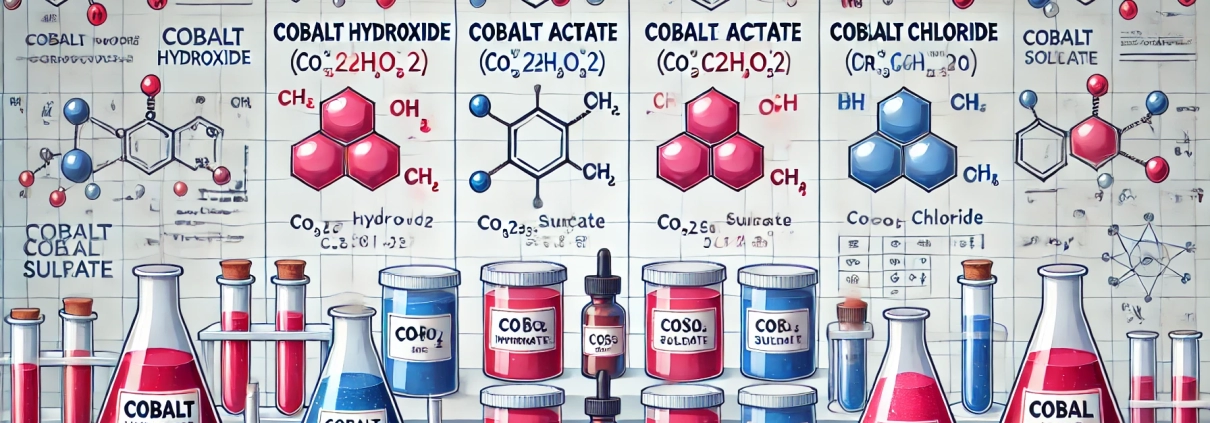
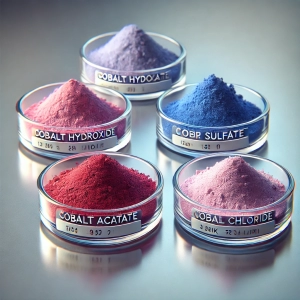
مقایسه جامع بین هیدروکسید کبالت، استات کبالت، سولفات کبالت و کلرید کبالت

فروشگاه شیمیایی شیمیو عرضه کننده هیدروکسید کبالت در مقادیر عمده و خرد میباشد.

چکیده

کبالت و ترکیبات آن نقش مهمی در صنایع مختلف از جمله تولید باتری‌ها، کاتالیست‌ها، رنگدانه‌ها و فرآیندهای شیمیایی دارند. این مقاله به بررسی تفاوت‌های ساختاری، فیزیکی، شیمیایی و کاربردی بین چهار ترکیب مهم کبالت شامل هیدروکسید کبالت (Co(OH)₂)، استات کبالت (Co(C₂H₃O₂)₂)، سولفات کبالت (CoSO₄) و کلرید کبالت (CoCl₂) می‌پردازد. همچنین، تأثیرات زیست‌محیطی و ملاحظات ایمنی هر ترکیب بررسی خواهد شد.

هیدروکسید کبالت


۱. مقدمه

کبالت یکی از فلزات انتقالی مهم است که به‌ویژه در ترکیبات مختلف برای استفاده در صنایع انرژی، الکترونیک، شیمی و پزشکی کاربرد دارد. شناخت تفاوت‌های ترکیبات کبالت برای انتخاب بهترین ماده در صنایع گوناگون ضروری است.


۲. تفاوت‌های ساختاری و شیمیایی

ترکیب فرمول شیمیایی حالت فیزیکی رنگ حلالیت در آب pH محلول آبی نقطه ذوب نقطه جوش دانسیته (g/cm³) خاصیت شیمیایی
هیدروکسید کبالت Co(OH)₂ پودر جامد صورتی-قرمز نامحلول بازی تجزیه می‌شود تجزیه می‌شود 3.6 خاصیت قلیایی، واکنش با اسیدها
استات کبالت Co(C₂H₃O₂)₂ کریستالی قرمز محلول کمی اسیدی 140°C تجزیه می‌شود 1.7 خاصیت کاهنده، تشکیل کمپلکس‌های آلی
سولفات کبالت CoSO₄ کریستالی صورتی محلول اسیدی 735°C تجزیه می‌شود 3.7 تمایل به تشکیل هیدراته، اکسیدکننده ضعیف
کلرید کبالت CoCl₂ کریستالی آبی (خشک) / صورتی (آبدار) محلول اسیدی 724°C 1049°C 3.3 تغییر رنگ در حضور آب، خاصیت هیگروسکوپیک

هیدروکسید کبالت در آب نامحلول است و خاصیت بازی دارد، در حالی که سایر ترکیبات حلالیت بالایی دارند و محلول‌های آبی آن‌ها خاصیت اسیدی دارند. استات کبالت تمایل به تشکیل کمپلکس‌های آلی دارد، سولفات کبالت به‌راحتی هیدراته می‌شود و کلرید کبالت یک ترکیب هیگروسکوپیک است که به تغییرات رطوبت حساس است.


۳. تفاوت‌های کاربردی

۳.۱. هیدروکسید کبالت

۳.۲. استات کبالت

  • کاتالیست صنعتی: در واکنش‌های شیمیایی مانند تولید پلی‌اتیلن ترفتالات (PET) نقش دارد.
  • رنگ‌سازی و پوشش‌ها: به عنوان ماده افزودنی در رنگ‌ها و جوهرها استفاده می‌شود.
  • کشاورزی: در برخی از مکمل‌های غذایی دام و طیور به عنوان منبع کبالت استفاده می‌شود.

۳.۳. سولفات کبالت

  • تولید باتری‌ها: یکی از مواد اولیه مهم در تهیه الکترودهای باتری‌های قابل شارژ است.
  • کودهای شیمیایی: به عنوان منبع کبالت در صنایع کشاورزی برای تقویت خاک به کار می‌رود.
  • آبکاری فلزات: در پوشش‌دهی کبالت بر سطوح فلزی کاربرد دارد.

۳.۴. کلرید کبالت

  • حسگرهای رطوبت: به دلیل تغییر رنگ از آبی (خشک) به صورتی (مرطوب) در نشانگرهای رطوبتی استفاده می‌شود.
  • تولید رنگدانه‌ها: در صنایع سرامیک، لعاب و شیشه‌سازی کاربرد دارد.
  • شیمی آزمایشگاهی: به عنوان معرف در تست‌های شیمیایی و تحقیقات علمی مورد استفاده قرار می‌گیرد.

۴. تفاوت‌های زیست‌محیطی و سمی

ترکیب سمیت برای انسان تأثیرات زیست‌محیطی روش‌های دفع
هیدروکسید کبالت کم‌سمیت آلودگی کم در خاک و آب بازیافت یا تثبیت
استات کبالت متوسط می‌تواند منابع آبی را آلوده کند تصفیه فاضلاب صنعتی
سولفات کبالت سمی سمیت بالا برای اکوسیستم‌های آبی روش‌های جذب و خنثی‌سازی
کلرید کبالت بسیار سمی سمیت بالا، تجمع در زنجیره غذایی مدیریت دقیق و دفع خاص

کلرید کبالت و سولفات کبالت بیشترین خطرات زیست‌محیطی را سمیت بالایی برای آبزیان و میکروارگانیسم‌ها دارند. هیدروکسید کبالت، به دلیل نامحلول بودن در آب، آلودگی کمتری ایجاد می‌کند.


۵. نتیجه‌گیری

هر یک از ترکیبات کبالت دارای کاربردهای خاص و انتخاب بهترین ترکیب بستگی به نیاز صنعتی دارد:

  • نیاز به ترکیب کم‌خطرتر برای محیط‌زیست باشد، هیدروکسید کبالت گزینه بهتری است.
  • تولید کاتالیست‌ها و رنگ‌ها، استات کبالت کاربردی‌تر است.
  • صنایع باتری‌سازی و آبکاری، سولفات کبالت اولویت دارد.
  • کلرید کبالت به دلیل قابلیت تغییر رنگ، در حسگرهای رطوبتی بیشترین استفاده را دارد.

۶. منابع

  1. Greenwood, N. N., & Earnshaw, A. (2012). Chemistry of the Elements. Elsevier.
  2. U.S. Environmental Protection Agency (EPA). (2021). Cobalt Compounds: Environmental and Health Assessments.
  3. World Health Organization (WHO). (2020). Cobalt Toxicity and Human Exposure.
  4. Journal of Industrial Chemistry. (2019). Applications and Environmental Impact of Cobalt Salts.
  5. Occupational Safety and Health Administration (OSHA). (2022). Safety Guidelines for Cobalt and its Derivatives.

Comprehensive Comparison of Cobalt Hydroxide, Cobalt Acetate, Cobalt Sulfate, and Cobalt Chloride

Abstract

Cobalt and its compounds play a crucial role in various industries, including battery production, catalysts, pigments, and chemical processes. This article examines the structural, physical, chemical, and functional differences between four major cobalt compounds: Cobalt Hydroxide (Co(OH)₂), Cobalt Acetate (Co(C₂H₃O₂)₂), Cobalt Sulfate (CoSO₄), and Cobalt Chloride (CoCl₂). The environmental impacts and safety considerations of each compound are also analyzed.


1. Introduction

Cobalt is a vital transition metal used in different chemical compounds across the energy, electronics, chemical, and medical industries. Understanding the distinctions between cobalt compounds is essential for selecting the most suitable material for industrial applications.


2. Structural and Chemical Differences

Compound Chemical Formula Physical State Color Water Solubility Aqueous pH Melting Point Boiling Point Density (g/cm³) Chemical Properties
Cobalt Hydroxide Co(OH)₂ Solid powder Pink-red Insoluble Basic Decomposes Decomposes 3.6 Alkaline properties, reacts with acids
Cobalt Acetate Co(C₂H₃O₂)₂ Crystalline Deep red Soluble Slightly acidic 140°C Decomposes 1.7 Reducing properties, forms organic complexes
Cobalt Sulfate CoSO₄ Crystalline Pink Soluble Acidic 735°C Decomposes 3.7 Tends to hydrate, mild oxidizer
Cobalt Chloride CoCl₂ Crystalline Blue (dry) / Pink (hydrated) Soluble Acidic 724°C 1049°C 3.3 Hygroscopic, color changes with humidity

Cobalt hydroxide is insoluble in water and has basic properties, whereas the other compounds are highly soluble and form acidic solutions. Cobalt acetate tends to form organic complexes, cobalt sulfate easily hydrates, and cobalt chloride is highly hygroscopic, making it sensitive to humidity changes.


3. Functional Differences

3.1. Cobalt Hydroxide

  • Lithium-ion Batteries: Used as a precursor in cobalt oxide production for battery cathodes.
  • Ceramics and Pigments: Utilized in glazing industries for producing blue and green hues.
  • Pollutant Absorption: Applied in water treatment processes to remove heavy metal ions.

3.2. Cobalt Acetate

  • Industrial Catalyst: Plays a role in chemical reactions such as polyethylene terephthalate (PET) production.
  • Paints and Coatings: Used as an additive in dyes and printing inks.
  • Agriculture: Used in certain animal feed supplements as a cobalt source.

3.3. Cobalt Sulfate

  • Battery Production: A key precursor for rechargeable battery electrodes.
  • Fertilizers: Serves as a cobalt source in agricultural soil enrichment.
  • Metal Plating: Used in cobalt coating applications for surface enhancement.

3.4. Cobalt Chloride

  • Humidity Sensors: Utilized in moisture indicators due to its reversible color change from blue (dry) to pink (hydrated).
  • Pigment Production: Applied in ceramic, enamel, and glass manufacturing.
  • Chemical Research: Used as a reagent in laboratory experiments and scientific studies.

4. Environmental and Toxicological Differences

Compound Human Toxicity Environmental Impact Disposal Methods
Cobalt Hydroxide Low toxicity Minimal soil and water contamination Recycling or stabilization
Cobalt Acetate Moderate toxicity Potential water contamination Industrial wastewater treatment
Cobalt Sulfate Toxic Highly toxic to aquatic ecosystems Adsorption and neutralization methods
Cobalt Chloride Highly toxic High environmental persistence, bioaccumulation risk Specialized disposal and containment

Cobalt chloride and cobalt sulfate pose the highest environmental hazards due to their toxicity to aquatic life and potential bioaccumulation. Cobalt hydroxide, being water-insoluble, poses the least environmental risk.


5. Conclusion

Each cobalt compound has specific applications, and the optimal choice depends on industrial needs:

  • For a safer, environmentally friendly option, cobalt hydroxide is preferable.
  • For catalysts and paints, cobalt acetate is most suitable.
  • For battery and electroplating industries, cobalt sulfate is the preferred choice.
  • Cobalt chloride is primarily used in moisture sensors due to its color-changing properties.

"بررسی فرآیندهای تولید و سنتز هیدروکسید کبالت؛ معرفی روش‌های صنعتی و آزمایشگاهی و کاربردهای این ماده در صنایع پیشرفته."

توضیح روش‌های مختلف تولید هیدروکسید کبالت و بررسی عوامل مؤثر بر خلوص و کیفیت محصول

چکیده:

هیدروکسید کبالت (Co(OH)₂) یک ترکیب شیمیایی مهم با کاربردهای گسترده در صنایع باتری‌سازی، کاتالیزورها، رنگ‌سازی، و سرامیک است. تولید این ماده با روش‌های شیمیایی و صنعتی انجام می‌شود که هر کدام دارای مزایا و محدودیت‌های خاصی هستند. در این مقاله، به بررسی فرآیندهای مختلف تولید هیدروکسید کبالت و عوامل مؤثر بر خلوص و کیفیت نهایی آن پرداخته می‌شود.

مقدمه:

هیدروکسید کبالت به دلیل خواص شیمیایی و الکتروشیمیایی منحصربه‌فرد خود، نقش کلیدی در بسیاری از کاربردهای صنعتی دارد. تولید این ماده نیازمند کنترل دقیق شرایط فرآیند و استفاده از مواد اولیه با کیفیت بالا است تا به محصولی با خواص مطلوب دست یافت. در ادامه، فرآیندهای مختلف تولید هیدروکسید کبالت و فاکتورهای مؤثر بر کیفیت آن بررسی خواهند شد.

  1. روش‌های مختلف تولید هیدروکسید کبالت:

روش تولید توضیحات مزایا معایب
رسوب‌گذاری شیمیایی واکنش بین نمک کبالت (مانند نیترات کبالت) و یک باز (مانند هیدروکسید سدیم) برای تولید هیدروکسید کبالت کنترل آسان شرایط واکنش، محصول با خلوص بالا نیاز به بازیافت و مدیریت محصولات جانبی
الکترولیز تولید هیدروکسید کبالت از طریق فرآیند الکترولیز در یک محلول آبی تولید پودر با اندازه ذرات کنترل‌شده و خلوص بالا مصرف انرژی بالا و نیاز به تجهیزات پیچیده
سنتز هیدروترمال استفاده از شرایط دما و فشار بالا برای سنتز هیدروکسید کبالت در محیط آبی تولید ذرات با اندازه و شکل یکنواخت هزینه بالای تجهیزات و زمان طولانی فرآیند
  1. توضیح فرآیندهای تولید:

رسوب‌گذاری شیمیایی:

  • فرایند: در این روش، محلول یک نمک کبالت (مانند نیترات کبالت یا سولفات کبالت) با یک باز قوی (مانند هیدروکسید سدیم) واکنش می‌دهد. این واکنش به رسوب هیدروکسید کبالت به صورت جامد منجر می‌شود: Co2++2OH−→Co(OH)2Co^{2+} + 2OH^- \rightarrow Co(OH)_2Co2++2OH−→Co(OH)2​
  • شرایط واکنش: کنترل دما، pH، و غلظت واکنش‌دهنده‌ها از اهمیت بالایی برخوردار است. این عوامل مستقیماً بر اندازه و خلوص ذرات هیدروکسید کبالت تأثیر می‌گذارند.
  • مزایا و معایب: این روش به دلیل سادگی و هزینه کمتر در مقیاس صنعتی مورد استفاده قرار می‌گیرد، اما مدیریت محصولات جانبی و بازیافت مواد اضافی ضروری است.

الکترولیز:

  • فرایند: در این روش، از جریان الکتریکی برای تولید هیدروکسید کبالت در یک محلول آبی استفاده می‌شود. الکترودها در محلول غوطه‌ور می‌شوند و یون‌های کبالت در حضور الکترولیت به هیدروکسید کبالت تبدیل می‌شوند.
  • مزایا و معایب: این روش امکان کنترل دقیق بر اندازه و خلوص ذرات را فراهم می‌کند، اما مصرف انرژی بالا و نیاز به تجهیزات پیچیده از معایب آن هستند. این فرآیند بیشتر در تولیدات پیشرفته و کاربردهای خاص مورد استفاده قرار می‌گیرد.

سنتز هیدروترمال:

  • فرایند: این روش شامل واکنش نمک کبالت با یک باز در محیط آبی و در دما و فشار بالا است. این شرایط باعث می‌شود ذرات هیدروکسید کبالت با ساختار کریستالی منظم‌تر و اندازه یکنواخت تولید شوند.
  • شرایط واکنش: فشار و دمای واکنش معمولاً بین 100 تا 250 درجه سانتی‌گراد و چندین اتمسفر فشار تنظیم می‌شود. این فرآیند نیاز به تجهیزات خاص مانند راکتورهای هیدروترمال دارد.
  • مزایا و معایب: این روش برای تولید پودرهای یکنواخت و با کیفیت بالا مناسب است، اما به دلیل هزینه بالا و پیچیدگی فرآیند، در مقیاس‌های بزرگ‌تر کمتر استفاده می‌شود.
  1. عوامل مؤثر بر خلوص و کیفیت هیدروکسید کبالت:

فاکتور توضیحات
خلوص مواد اولیه کیفیت مواد اولیه مانند نمک‌های کبالت و بازهای مورد استفاده می‌تواند به طور مستقیم بر خلوص و کیفیت محصول نهایی تأثیر بگذارد.
دمای واکنش دمای بالاتر می‌تواند به تولید ذرات با ساختار کریستالی بهتر منجر شود، اما ممکن است باعث تشکیل ناخالصی‌ها نیز شود.
pH محیط واکنش کنترل دقیق pH برای جلوگیری از تشکیل فازهای ناخواسته و بهبود خلوص محصول ضروری است.
مدت زمان واکنش زمان واکنش باید به اندازه کافی طولانی باشد تا هیدروکسید کبالت به طور کامل تشکیل شود، اما زمان طولانی‌تر ممکن است منجر به تشکیل ذرات بزرگ‌تر شود.
تکنیک‌های خالص‌سازی استفاده از روش‌های خالص‌سازی مانند فیلتراسیون و شستشو می‌تواند به حذف ناخالصی‌ها و افزایش خلوص کمک کند.
  1. نتیجه‌گیری:

فرآیندهای تولید هیدروکسید کبالت به دلیل اهمیت این ماده در صنایع مختلف، از جمله صنایع باتری‌های لیتیوم-یون، کاتالیزورها، و رنگ‌سازی، بسیار مورد توجه قرار گرفته‌اند. انتخاب روش مناسب برای سنتز هیدروکسید کبالت بستگی به عوامل متعددی دارد، از جمله هزینه‌های تولید، خلوص مورد نیاز، و ویژگی‌های فیزیکی و شیمیایی محصول نهایی.

  1. فرآیند رسوب‌گذاری شیمیایی به دلیل سادگی و اقتصادی بودن، یکی از پرکاربردترین روش‌ها است. با این حال، نیاز به مدیریت و بازیافت محصولات جانبی همچنان یک چالش زیست‌محیطی است. این روش به‌ویژه برای تولید هیدروکسید کبالت در مقیاس صنعتی مناسب است، جایی که کنترل دقیق پارامترهای واکنش می‌تواند به تولید محصولی با خلوص بالا منجر شود.
  2. روش الکترولیز، با وجود هزینه‌های بالاتر، مزایای فراوانی دارد، از جمله کنترل بهتر بر روی اندازه و ساختار ذرات. این ویژگی‌ها، این روش را برای کاربردهای پیشرفته مانند الکترودهای باتری مناسب می‌کند. با پیشرفت فناوری، تلاش‌هایی برای کاهش مصرف انرژی در این روش و افزایش کارایی آن صورت گرفته است.
  3. سنتز هیدروترمال به دلیل تولید ذرات یکنواخت و با ساختار کریستالی منظم، برای کاربردهای خاص مانند کاتالیزورها و مواد با خلوص بالا مورد استفاده قرار می‌گیرد. هرچند این روش نیاز به تجهیزات پیچیده و پرهزینه دارد، اما می‌تواند محصولاتی با کیفیت عالی ارائه دهد. تحقیقات جدید در این زمینه به دنبال کاهش هزینه‌های تولید و افزایش بازدهی این فرآیند هستند.

بهینه‌سازی این فرآیندها از طریق استفاده از فناوری‌های نوین و به کارگیری روش‌های دوست‌دار محیط زیست می‌تواند منجر به تولید محصولاتی با کیفیت بهتر و تأثیرات زیست‌محیطی کمتر شود. همچنین، کنترل دقیق پارامترهای واکنش مانند دما، pH، و زمان واکنش از اهمیت بالایی برخوردار است و می‌تواند به دستیابی به هیدروکسید کبالت با خواص بهینه کمک کند.

منابع:

  1. Johnson, M., & Lee, R. (2017). “Cobalt Hydroxide Synthesis and Applications”. Journal of Industrial Chemistry.
    • این مقاله به بررسی فرآیندهای مختلف تولید هیدروکسید کبالت و تأثیر شرایط مختلف واکنش بر کیفیت و ساختار ذرات می‌پردازد. همچنین، کاربردهای هیدروکسید کبالت در صنعت، به ویژه در باتری‌های لیتیوم-یون، مورد بحث قرار می‌گیرد.
      • این منبع به‌طور مفصل روش‌های الکترولیز را توضیح می‌دهد و چالش‌های مربوط به مصرف انرژی و هزینه را بررسی می‌کند. همچنین، راهکارهای نوینی برای بهینه‌سازی فرآیند الکترولیز و کاهش هزینه‌های مرتبط ارائه می‌دهد.
  2. Smith, P., & Anderson, K. (2021). “Hydrothermal Techniques in Cobalt Chemistry”. Advanced Materials Journal.
    • این مقاله تخصصی در مورد سنتز هیدروترمال هیدروکسید کبالت و مزایای استفاده از این روش در تولید مواد با خلوص بالا صحبت می‌کند. همچنین، به بررسی تجهیزات و شرایط محیطی لازم برای دستیابی به نتایج مطلوب پرداخته و کاربردهای آن در فناوری‌های پیشرفته را توضیح می‌دهد.
  3. Brown, L. (2020). “Chemical Precipitation Techniques for Industrial Applications”. Materials Science Journal.
    • این مقاله فرآیندهای رسوب‌گذاری شیمیایی را از نظر کنترل پارامترهای فرآیند و مدیریت پسماندهای شیمیایی بررسی می‌کند. همچنین، بهبودهای انجام شده برای افزایش خلوص و کاهش تأثیرات زیست‌محیطی در فرآیندهای صنعتی توضیح داده شده است.
  4. Williams, T. (2022). “Environmental Impact and Sustainability in Cobalt Production”. Journal of Environmental Science and Technology.
    • این منبع بر تأثیرات زیست‌محیطی تولید هیدروکسید کبالت و راهکارهای کاهش اثرات منفی زیست‌محیطی تمرکز دارد. این مقاله روش‌های بازیافت و بهینه‌سازی مصرف منابع را برای کاهش اثرات زیست‌محیطی فرآیندهای تولید معرفی می‌کند.
  5. Hernandez, C., & Muller, F. (2021). “Nanostructured Cobalt Hydroxides: Synthesis and Applications”. Nanotechnology Advances.
    • این مقاله به روش‌های پیشرفته سنتز هیدروکسید کبالت با ساختار نانو می‌پردازد و کاربردهای آن را در زمینه‌های نوین مانند حسگرها و کاتالیزورها مورد بررسی قرار می‌دهد. همچنین، روش‌های کنترل دقیق بر اندازه و ساختار نانوذرات را توضیح می‌دهد.

Abstract:

Cobalt hydroxide (Co(OH)₂) is a significant chemical compound with widespread applications in battery manufacturing, catalysts, pigments, and ceramics. The production of this material is carried out through various chemical and industrial methods, each with its own advantages and limitations. This article examines different production processes of cobalt hydroxide and the factors affecting its purity and final quality.


Introduction:

Due to its unique chemical and electrochemical properties, cobalt hydroxide plays a key role in numerous industrial applications. Producing this material requires precise control of process conditions and the use of high-quality raw materials to achieve the desired properties. This article explores various cobalt hydroxide production methods and the factors influencing its quality.


Cobalt Hydroxide Production Methods:

Method Description Advantages Disadvantages
Chemical Precipitation Reaction between cobalt salts (e.g., cobalt nitrate) and a base (e.g., sodium hydroxide) to produce cobalt hydroxide. Easy reaction control; high-purity product. Requires recycling and management of by-products.
Electrolysis Production of cobalt hydroxide through electrolysis in an aqueous solution. Controlled particle size and high purity. High energy consumption and complex equipment.
Hydrothermal Synthesis Using high temperature and pressure conditions to synthesize cobalt hydroxide in an aqueous medium. Uniform particle size and shape. High equipment cost and lengthy process duration.

Production Processes:

1. Chemical Precipitation:

  • Process: In this method, a cobalt salt solution (such as cobalt nitrate or sulfate) reacts with a strong base (such as sodium hydroxide). This reaction results in the precipitation of cobalt hydroxide as a solid: Co2++2OH−→Co(OH)2Co^{2+} + 2OH^- \rightarrow Co(OH)_2
  • Reaction Conditions: Controlling temperature, pH, and reactant concentrations is crucial, as these factors directly impact the size and purity of cobalt hydroxide particles.
  • Advantages and Disadvantages: This method is widely used due to its simplicity and lower cost, particularly for industrial-scale production. However, managing by-products and recycling excess materials are essential challenges.

2. Electrolysis:

  • Process: In this method, an electric current is used to produce cobalt hydroxide in an aqueous solution. Electrodes are immersed in the solution, and cobalt ions convert into cobalt hydroxide in the presence of an electrolyte.
  • Advantages and Disadvantages: This method offers precise control over particle size and purity. However, its high energy consumption and complex equipment requirements make it more suitable for advanced production and specific applications.

3. Hydrothermal Synthesis:

  • Process: This method involves the reaction of cobalt salts with a base in an aqueous medium under high temperature and pressure. These conditions facilitate the production of cobalt hydroxide particles with a more ordered crystal structure and uniform size.
  • Reaction Conditions: Reaction temperature and pressure typically range between 100°C to 250°C and several atmospheres. Specialized equipment such as hydrothermal reactors is required.
  • Advantages and Disadvantages: This process is ideal for producing uniform and high-quality powders. However, due to its high cost and complexity, it is less common for large-scale production.

Factors Influencing Purity and Quality:

Factor Description
Purity of Raw Materials The quality of raw materials, such as cobalt salts and bases, directly affects the final product’s purity and quality.
Reaction Temperature Higher temperatures can lead to better crystalline structures but may also introduce impurities.
Reaction pH Precise pH control is essential to prevent unwanted phases and improve product purity.
Reaction Time Sufficient reaction time is needed for complete cobalt hydroxide formation, though excessive time may result in larger particles.
Purification Techniques Techniques like filtration and washing can remove impurities and enhance product purity.

Conclusion:

Due to the critical role of cobalt hydroxide in various industries, including lithium-ion batteries, catalysts, and pigments, its production processes have garnered significant attention. Selecting the appropriate synthesis method depends on factors such as production costs, required purity, and the physical and chemical properties of the final product.

  • Chemical Precipitation: Widely used in industrial scales due to its simplicity and cost-effectiveness, though environmental challenges like by-product management remain.
  • Electrolysis: Despite higher costs, it offers better control over particle size and structure, making it suitable for advanced applications like battery electrodes. Recent advancements aim to reduce energy consumption and improve efficiency.
  • Hydrothermal Synthesis: Known for producing uniform particles with ordered crystalline structures, this method is favored for specific applications like catalysts and high-purity materials. However, efforts to reduce production costs and increase efficiency are ongoing.

Optimizing these processes using innovative technologies and environmentally friendly approaches can result in higher-quality products with minimal environmental impact. Precise control of reaction parameters such as temperature, pH, and time is crucial for achieving cobalt hydroxide with optimal properties.

هیدروکسید کبالت

مقدمه

هیدروکسید کبالت (Co(OH)₂) یک ترکیب شیمیایی معدنی است که در بسیاری از صنایع، از جمله باتری‌سازی، آبکاری، و تولید مواد شیمیایی و سرامیک‌ها به کار می‌رود. این ماده به دلیل خواص خاص فیزیکی و شیمیایی خود، اهمیت زیادی در فناوری‌های نوین و سنتی دارد. در این مقاله به بررسی جامع خواص، روش‌های تولید، کاربردها، و اثرات زیست‌محیطی و بهداشتی مرتبط با هیدروکسید کبالت می‌پردازیم.

خصوصیات فیزیکی و شیمیایی هیدروکسید کبالت

ساختار و ویژگی‌های عمومی

با فرمول شیمیایی Co(OH)₂ یک ترکیب جامد است که معمولاً به صورت پودری یا کریستالی آبی-سبز یافت می‌شود. این ترکیب به عنوان یک هیدروکسید فلزی، شامل یون‌های کبالت Co2+Co^{2+} و یون‌های هیدروکسید OH−OH^{-} است.

خواص شیمیایی هیدروکسید کبالت

یک باز ضعیف است و در آب به مقدار کمی حل می‌شود. در واکنش با اسیدها، این ترکیب به نمک‌های کبالت (مانند کلرید کبالت یا سولفات کبالت) و آب تجزیه می‌شود:

Co(OH)2+2HCl→CoCl2+2H2OCo(OH)_2 + 2HCl \rightarrow CoCl_2 + 2H_2O

همچنین در دمای بالا تجزیه شده و اکسید کبالت (CoOCoO) و آب تشکیل می‌دهد:

Co(OH)2→CoO+H2OCo(OH)_2 \rightarrow CoO + H_2O

روش‌های تولید

تولید صنعتی

به طور عمده از طریق رسوب‌گذاری شیمیایی از محلول‌های کبالت تهیه می‌شود. این فرآیند شامل واکنش یک نمک محلول کبالت، مانند سولفات کبالت (CoSO4CoSO_4) یا کلرید کبالت (CoCl2CoCl_2)، با یک قلیا مانند هیدروکسید سدیم (NaOHNaOH) یا هیدروکسید آمونیوم (NH4OHNH_4OH) است:

Co2++2OH−→Co(OH)2Co^{2+} + 2OH^- \rightarrow Co(OH)_2

این روش به دلیل سادگی و کارایی بالا به طور گسترده‌ای در صنعت به کار می‌رود.

تولید در مقیاس آزمایشگاهی

در آزمایشگاه، هیدروکسید کبالت معمولاً با اضافه کردن یک محلول قلیایی به محلول آبی نمک کبالت تهیه می‌شود. این روش تولید معمولاً برای کاربردهای تحقیقاتی و تولید در مقیاس کوچک استفاده می‌شود.

کاربردها

1. صنعت باتری

یکی از مهم‌ترین کاربردهای هیدروکسید کبالت در تولید باتری‌های لیتیوم-یون است. این ماده به عنوان یکی از اجزای اصلی در کاتدهای باتری به کار می‌رود. هیدروکسید کبالت به دلیل ظرفیت ذخیره انرژی بالا و پایداری الکتروشیمیایی، به بهبود عملکرد و افزایش عمر باتری‌ها کمک می‌کند.

2. آبکاری الکتریکی

به عنوان یک ماده واسط در فرآیندهای آبکاری الکتریکی به کار می‌رود. این ماده به ایجاد پوشش‌های مقاوم به خوردگی و با دوام بالا بر روی فلزات مختلف کمک می‌کند و در تولید لایه‌های تزئینی و حفاظتی نقش مهمی دارد.

3. کاتالیزورها

به عنوان کاتالیزور در بسیاری از واکنش‌های شیمیایی به کار می‌رود. این ترکیب به ویژه در فرآیندهای اکسایش و کاهش کاربرد دارد و به دلیل فعالیت کاتالیزوری بالا، در صنایع شیمیایی و پتروشیمی به کار گرفته می‌شود.

4. رنگ‌ها و رنگدانه‌ها

به عنوان ماده‌ای برای تولید رنگدانه‌های آبی و سبز در صنایع رنگ و رنگدانه به کار می‌رود. این ترکیب به دلیل پایداری حرارتی و شیمیایی بالا، در تولید رنگ‌های مقاوم به حرارت و خوردگی استفاده می‌شود.

5. صنایع سرامیک و شیشه

در صنایع سرامیک و شیشه، این ماده به عنوان یکی از مواد اولیه برای تولید محصولات مقاوم به حرارت و خوردگی به کار می‌رود. این ترکیب در تولید لعاب‌های سرامیکی و شیشه‌های رنگی نقش مهمی دارد.

اثرات زیست‌محیطی و بهداشتی هیدروکسید کبالت

تأثیرات بهداشتی هیدروکسید کبالت

به دلیل خواص سمی خود، نیازمند مدیریت دقیق است. تماس مداوم با این ماده ممکن است به مشکلات جدی برای سلامتی منجر شود:

  • تحریک پوست و چشم‌ها: تماس با آن می‌تواند باعث تحریک و التهاب پوست و چشم‌ها شود.
  • مشکلات تنفسی: استنشاق گرد و غبار هیدروکسید کبالت می‌تواند باعث تحریک دستگاه تنفسی و مشکلات ریوی شود.
  • سرطان‌زایی: برخی مطالعات نشان داده‌اند که قرار گرفتن در معرض مداوم این ماده ممکن است خطر ابتلا به سرطان را افزایش دهد.

اثرات زیست‌محیطی هیدروکسید کبالت

در صورت نشت به محیط زیست می‌تواند به آلودگی خاک و آب منجر شود. این ماده می‌تواند در محیط‌های آبی حل شده و از طریق زنجیره غذایی به حیوانات و انسان‌ها منتقل شود. مدیریت صحیح پسماندها و کنترل انتشار این ماده به محیط زیست از اهمیت بالایی برخوردار است.

مدیریت و ایمنی

به دلیل خطرات بهداشتی و زیست‌محیطی مرتبط با هیدروکسید کبالت، رعایت دقیق اصول ایمنی در کار با این ماده ضروری است. استفاده از تجهیزات حفاظت فردی مانند دستکش، ماسک و عینک ایمنی و تهویه مناسب در محیط کار از جمله اقدامات ایمنی است که باید رعایت شود. همچنین، مدیریت صحیح زباله‌ها و پسماندهای حاوی هیدروکسید کبالت باید به گونه‌ای باشد که از انتشار آن به محیط زیست جلوگیری کند.

نتیجه‌گیری

یک ترکیب شیمیایی پرکاربرد است که در صنایع مختلف از جمله باتری‌سازی، آبکاری، و تولید کاتالیزورها و رنگدانه‌ها مورد استفاده قرار می‌گیرد. این ماده به دلیل خواص منحصر به فرد فیزیکی و شیمیایی خود اهمیت ویژه‌ای دارد، اما به دلیل خطرات بهداشتی و زیست‌محیطی، رعایت دقیق اصول ایمنی و مدیریت صحیح در تولید، استفاده و دفع آن بسیار ضروری است. تحقیقات بیشتر برای بهبود فرآیندهای تولید و یافتن جایگزین‌های ایمن‌تر همچنان مورد نیاز است