نوشته‌ها

اکسید آلومینیوم

«اکسید آلومینیوم چیست؟ معرفی کامل، ساختار، خواص و کاربردها»


🔷 مقدمه

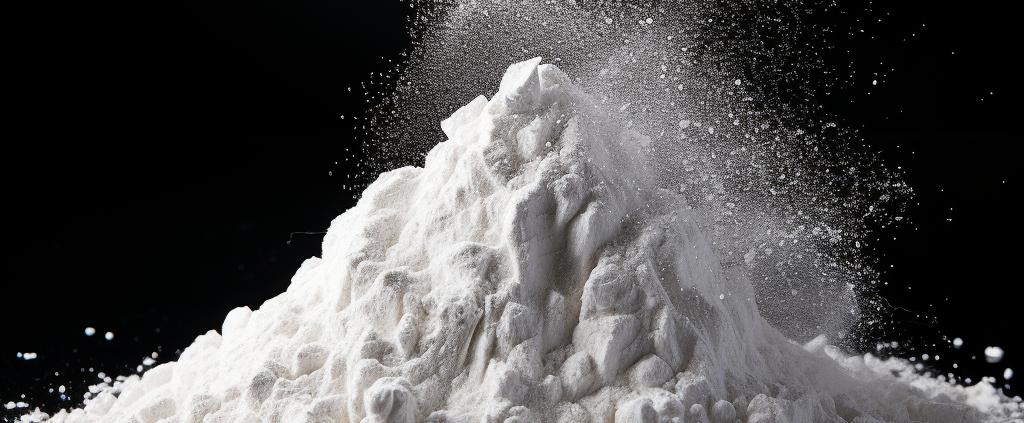
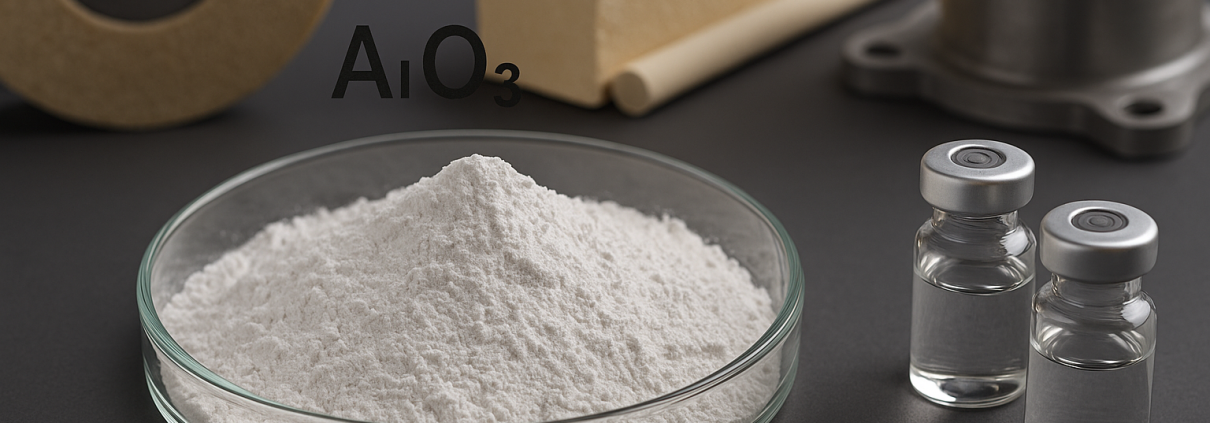
اکسید آلومینیوم (Aluminum Oxide) با فرمول شیمیایی Al₂O₃ یکی از پرکاربردترین ترکیبات معدنی در جهان است که در صنایع مختلف، از داروسازی گرفته تا تولید سرامیک‌های مقاوم، نقش کلیدی ایفا می‌کند. این ماده سفید رنگ، بدون بو و بسیار سخت، از نظر خواص فیزیکی و شیمیایی ویژگی‌هایی منحصر به‌فرد دارد که آن را به گزینه‌ای ممتاز برای کاربردهای صنعتی، پزشکی و علمی تبدیل کرده است.


🔷 ساختار شیمیایی و شکل‌های بلوری

اکسید آلومینیوم از دو عنصر آلومینیوم (Al) و اکسیژن (O) تشکیل شده و در حالت معمولی دارای ساختار کریستالی کوراندوم (corundum) است. این ساختار باعث سختی بسیار بالای آن می‌شود.

انواع آلوتروپ‌های شناخته‌شده Al₂O₃ شامل موارد زیر است:

  • آلفا (α-Al₂O₃): پایدارترین و سخت‌ترین فرم، که در صنایع ساینده و دیرگداز استفاده می‌شود.

  • گاما (γ-Al₂O₃): دارای سطح مخصوص بالا، کاربرد در کاتالیزورها و جذب سطحی.

  • سایر فازهای گذرا مانند بتا، تتا و دلتا که در فرآیندهای دمایی خاص به‌وجود می‌آیند.

🔷 خواص فیزیکی و شیمیایی اکسید آلومینیوم (Al₂O₃)

اکسید آلومینیوم به دلیل ویژگی‌های خاص ساختاری و ترکیبی، یکی از پرکاربردترین مواد معدنی در جهان است. در این بخش، خواص مهم آن را به‌صورت تفکیکی بررسی می‌کنیم:


1. رنگ و ظاهر

  • رنگ: به‌طور طبیعی سفید یا بیرنگ (شفاف)

  • فرم‌های کریستالی رنگی: بسته به ناخالصی‌ها، ممکن است به شکل یاقوت (قرمز) یا یاقوت کبود (آبی) ظاهر شود.

  • شکل فیزیکی: معمولاً به صورت پودر ریز، گلوله‌های کوچک، یا کریستال

🔸 کاربرد: در مواد آرایشی، سرامیک‌های تزئینی، و سنگ‌های قیمتی


2. نقطه ذوب و دمای تبخیر

  • نقطه ذوب: حدود 2072 درجه سانتی‌گراد

  • نقطه جوش: در حدود 2977 درجه سانتی‌گراد

🔸 این نقطه ذوب بالا، آن را به ماده‌ای ایده‌آل برای استفاده در دماهای بسیار بالا، مثل پوشش داخلی کوره‌ها و قطعات موتور هواپیما تبدیل می‌کند.


3. سختی (Hardness)

  • در مقیاس موس: 9 از 10
    (فقط الماس بالاتر است)

🔸 این ویژگی باعث شده تا Al₂O₃ به‌طور گسترده در ابزارهای ساینده و برشی استفاده شود.


4. دانسیته (چگالی)

  • دامنه دانسیته: حدود 3.95 تا 4.1 گرم بر سانتی‌متر مکعب
    (بسته به ساختار بلوری و خلوص)

🔸 چگالی بالا در کنار سختی زیاد، این ماده را برای ساخت توپک‌های سرامیکی مقاوم در راکتورها مناسب کرده است.


5. رسانایی حرارتی (Thermal Conductivity)

  • در فرم α-Al₂O₃: حدود 30 تا 35 W/m·K

🔸 نسبت به بیشتر سرامیک‌ها، رسانایی حرارتی بالایی دارد و به همین دلیل در زیرلایه‌های الکترونیکی و قطعات انتقال حرارت کاربرد دارد.


6. مقاومت الکتریکی (Electrical Resistivity)

  • در دمای اتاق: حدود 10¹⁴ تا 10¹⁶ اهم·سانتی‌متر
    (عایق بسیار عالی)

🔸 این ویژگی اکسید آلومینیوم را به یکی از بهترین مواد عایق الکتریکی در محیط‌های پرفشار و پرحرارت تبدیل کرده است.


7. پایداری شیمیایی

  • مقاوم در برابر:

    • اسیدها و بازهای ضعیف

    • اکسیدکننده‌ها

  • در برابر اسیدهای قوی در دمای بالا ممکن است واکنش نشان دهد.

🔸 این مقاومت شیمیایی، آن را در برابر خوردگی و تخریب شیمیایی بسیار مقاوم می‌سازد، مناسب برای صنایع شیمیایی، داروسازی و محیط‌زیست.


8. سطح ویژه بالا (در فاز γ)

  • سطح ویژه γ-Al₂O₃: بین 150 تا 300 m²/g
    (بسته به روش سنتز)

🔸 این ویژگی سبب می‌شود که جاذب عالی برای گازها و حامل مؤثر برای کاتالیزورها باشد.


9. تخلخل

  • فازهای γ، δ، θ دارای تخلخل بالا هستند.

🔸 مناسب برای استفاده در جذب سطحی، فیلترهای صنعتی، تصفیه هوا و آب.


10. زیست‌سازگاری (Biocompatibility)

  • فاقد سمیت

  • غیرواکنشی در بدن انسان

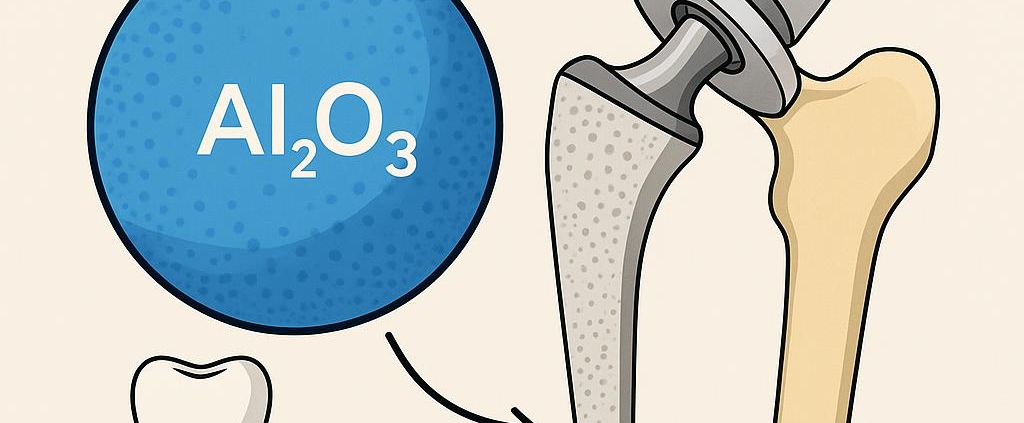
🔸 در تولید ایمپلنت‌های دندانی، مفاصل مصنوعی، پوشش‌های پزشکی و پودرهای دارویی به‌کار می‌رود.


🟨 جمع‌بندی تصویری (جدول)

ویژگی مقدار / توضیح کاربرد
رنگ و ظاهر سفید، بیرنگ، در فرم قیمتی رنگی سرامیک، جواهر
نقطه ذوب 2072°C دیرگداز
سختی 9 (مقیاس موس) ساینده، برش
چگالی 3.95 – 4.1 g/cm³ قطعات مهندسی
رسانایی حرارتی 30–35 W/m·K زیرلایه‌ها
مقاومت الکتریکی 10¹⁴–10¹⁶ Ω·cm عایق
پایداری شیمیایی بسیار بالا، مقاوم به خوردگی صنعت شیمیایی
سطح ویژه (γ-Al₂O₃) 150–300 m²/g کاتالیست
زیست‌سازگاری بسیار بالا پزشکی

🔷 روش‌های تولید اکسید آلومینیوم

  1. فرآیند بایر (Bayer Process):
    رایج‌ترین روش صنعتی که در آن بوکسیت (سنگ معدن آلومینیوم) با سود سوزآور واکنش داده و محلول آلومینات تشکیل می‌دهد. با حرارت دادن، Al₂O₃ خالص ته‌نشین می‌شود.

  2. احتراق مستقیم فلز آلومینیوم:
    برای تولید اکسید آلومینیوم در مقیاس آزمایشگاهی یا خاص.

  3. روش‌های پلاسما یا سل-ژل:
    مورد استفاده در تولید نانوذرات یا ترکیبات با خلوص بالا.


🔷 کاربردهای اصلی اکسید آلومینیوم

1. صنعت سرامیک و نسوز

  • ساخت آجرها و آسترهای دیرگداز برای کوره‌ها

  • تولید کاشی‌های مقاوم در برابر سایش

  • پایه سرامیک‌های مهندسی با مقاومت حرارتی بالا

2. ساینده‌ها (Abrasives)

  • در ساخت سمباده‌ها و سنگ‌های سایش (مثل سنگ برش)

  • کاربرد در پولیش شیشه، فلز و سرامیک

3. الکترونیک و عایق‌بندی

  • به‌عنوان عایق الکتریکی بسیار مؤثر

  • کاربرد در تولید زیرلایه‌های مدارهای الکترونیکی و تراشه‌ها

4. کاتالیزور و حامل کاتالیستی

  • فاز γ-Al₂O₃ به دلیل سطح بالا، نقش مهمی در کاتالیزورها (مثلاً در صنایع پتروشیمی) دارد

5. زیورآلات و جواهرسازی

  • شکل طبیعی آن به‌عنوان یاقوت (Ruby) و یاقوت کبود (Sapphire) با رنگ‌های مختلف کاربرد دارد

6. پزشکی و داروسازی

  • استفاده در ایمپلنت‌های دندانی و مفصلی به‌دلیل زیست‌سازگاری بالا

  • پرکننده قرص‌ها، عامل سفت‌کننده و جاذب رطوبت

7. تصفیه آب و محیط زیست

  • جذب فلزات سنگین و ناخالصی‌ها

  • کاربرد در فیلترهای سرامیکی و سیستم‌های تصفیه صنعتی


🔷 مزایا و ویژگی‌های خاص اکسید آلومینیوم (Al₂O₃)

اکسید آلومینیوم از معدود موادی است که ترکیبی از ویژگی‌های مکانیکی، شیمیایی، حرارتی و الکتریکی را در کنار هم دارد. همین ویژگی‌های چندوجهی، آن را به یک ماده استراتژیک و پرکاربرد در صنایع مختلف تبدیل کرده است.


✅ 1. سختی بسیار بالا و مقاومت در برابر سایش

  • با درجه سختی 9 در مقیاس موس، تنها یک درجه کمتر از الماس است.

  • قابلیت فوق‌العاده در سایش سطوح فلزی، سنگی، شیشه‌ای و … دارد.

🔸 کاربرد: ابزار برش، سنگ‌های سنباده، چرخ‌های پولیش، پوشش‌های مقاوم به سایش


✅ 2. تحمل حرارتی بالا

  • با نقطه ذوب بیش از 2000°C، برای استفاده در کوره‌ها، راکتورها، موتورهای جت و … مناسب است.

  • در دمای بالا تغییر شکل نمی‌دهد و واکنش‌پذیری کمی دارد.

🔸 کاربرد: دیرگدازها، پوشش‌های حرارتی، قطعات صنعتی دما بالا


✅ 3. عایق الکتریکی قوی

  • مقاومت حجمی بسیار بالا در دمای محیط و حتی در دماهای بالا.

  • عدم هدایت جریان الکتریکی حتی در شرایط سخت.

🔸 کاربرد: زیرلایه‌های الکترونیکی، عایق‌بندی سیستم‌های قدرت، سرامیک‌های الکتریکی


✅ 4. مقاومت شیمیایی بی‌نظیر

  • نسبت به بیشتر اسیدها، بازهای ضعیف، مواد اکسیدکننده و خورنده پایدار است.

  • در محیط‌های اسیدی یا قلیایی آسیب نمی‌بیند.

🔸 کاربرد: صنایع شیمیایی، تجهیزات آزمایشگاهی، پوشش‌های ضدخوردگی


✅ 5. سطح ویژه بالا (در فاز گاما)

  • فاز γ-Al₂O₃ دارای سطح ویژه 150 تا 300 مترمربع بر گرم است.

🔸 کاربرد: پایه کاتالیست، جذب فلزات سنگین در تصفیه آب، جاذب گازها


✅ 6. پایداری ابعادی

  • انبساط حرارتی بسیار پایین، عدم تغییر شکل در اثر حرارت یا فشار

🔸 کاربرد: ساخت قطعات دقیق مکانیکی و الکترونیکی با تلورانس کم


✅ 7. زیست‌سازگاری و ایمنی بالا

  • غیرسمی، بی‌اثر، واکنش‌ناپذیر با مایعات بدن، مقاوم به رشد باکتری

🔸 کاربرد: ایمپلنت‌های پزشکی، پروتزهای دندانی و مفصلی، پوشش‌های پزشکی


✅ 8. در دسترس بودن و قیمت اقتصادی

  • به‌راحتی از بوکسیت استخراج می‌شود.

  • نسبت به خواص و عملکردش، قیمت مناسبی دارد.

🔸 کاربرد: جایگزینی مقرون‌به‌صرفه برای مواد گران‌قیمت در بسیاری از صنایع


✅ 9. قابلیت ساخت در مقیاس نانو و میکرو

  • تولید نانوذرات اکسید آلومینیوم برای کاربردهای نانوفناورانه ممکن است.

🔸 کاربرد: نانوپوشش‌ها، دارورسانی هدفمند، حسگرهای دقیق، پیل‌های سوختی


✅ 10. پایداری محیطی و قابل بازیافت

  • تجزیه‌ناپذیر در محیط، بدون تولید گاز سمی، قابل بازیافت و استفاده مجدد

🔸 کاربرد: صنایع سبز، سیستم‌های تصفیه، بسته‌بندی‌های پایدار


🟩 جمع‌بندی مزایا (نموداری و متنی)

ویژگی منحصربه‌فرد توضیح تخصصی حوزه‌های کاربرد
سختی بسیار بالا مقاومت سایشی عالی برش، سایش، محافظت
پایداری شیمیایی مقاوم به خوردگی شیمیایی، پزشکی
تحمل دمایی بالا تا 2072°C هوافضا، متالورژی
عایق الکتریکی 10¹⁶ اهم·cm الکترونیک
سطح ویژه زیاد در γ-Al₂O₃ کاتالیز، جذب
زیست‌سازگاری بالا ایمن برای بدن دارویی، دندانی
اقتصادی و مقرون‌به‌صرفه تولید انبوه صنعت عمومی
سازگاری با محیط زیست غیرسمی، بازیافت‌پذیر فناوری سبز

🔷 نتیجه‌گیری

اکسید آلومینیوم یکی از مهم‌ترین ترکیبات غیرآلی دنیاست که به‌لطف ویژگی‌های فیزیکی و شیمیایی منحصربه‌فرد خود، در طیف گسترده‌ای از صنایع نقشی اساسی دارد. از ساخت پوشش‌های محافظ و ساینده‌ها گرفته تا کاربردهای پزشکی پیشرفته، این ترکیب نشان داده است که نه‌تنها در حال حاضر بلکه در آینده نیز جایگاه بی‌بدیلی در توسعه فناوری‌های نوین خواهد داشت.


🔷 منابع پیشنهادی برای مطالعه بیشتر:


  1. Britannica – Aluminum oxide

  2. PubChem – Aluminum oxide (CID 9989226)

  3. کتاب Materials Science and Engineering – William D. Callister
 

What is Aluminum Oxide? A Complete Overview of Its Structure, Properties, and Applications

🔷 Introduction

Aluminum oxide (Al₂O₃) is one of the most widely used inorganic compounds in the world. It plays a key role in various industries ranging from pharmaceuticals to the production of high-strength ceramics. This white, odorless, and extremely hard material possesses unique physical and chemical properties, making it an excellent choice for industrial, medical, and scientific applications.


🔷 Chemical Structure and Crystalline Forms

Aluminum oxide is composed of two elements: aluminum (Al) and oxygen (O). Under standard conditions, it typically has a corundum crystalline structure, which contributes to its high hardness.

Recognized allotropes of Al₂O₃ include:

  • Alpha (α-Al₂O₃): The most stable and hardest form, used in abrasive and refractory applications.

  • Gamma (γ-Al₂O₃): Known for its high surface area, useful in catalysis and adsorption.

  • Other transitional phases such as beta, theta, and delta which arise under specific thermal conditions.


🔷 Physical and Chemical Properties of Aluminum Oxide (Al₂O₃)

Due to its unique structural and compositional features, aluminum oxide is among the most widely used mineral materials globally. Here’s a breakdown of its key properties:


✅ 1. Color and Appearance

  • Color: Naturally white or colorless (transparent)

  • Colored crystal forms: May appear as ruby (red) or sapphire (blue) depending on impurities

  • Physical form: Typically found as fine powder, small pellets, or crystals
    🔸 Application: Cosmetics, decorative ceramics, gemstones


✅ 2. Melting and Boiling Points

  • Melting Point: ~2072°C

  • Boiling Point: ~2977°C
    🔸 High melting point makes it ideal for extreme temperature environments, such as furnace linings and jet engine components.


✅ 3. Hardness

  • Mohs Scale: 9/10 (just below diamond)
    🔸 Used extensively in abrasive and cutting tools.


✅ 4. Density

  • Range: Approximately 3.95–4.1 g/cm³ (depending on crystalline structure and purity)
    🔸 Suitable for manufacturing ceramic balls for reactors due to its density and strength.


✅ 5. Thermal Conductivity

  • α-Al₂O₃: ~30–35 W/m·K
    🔸 Offers higher thermal conductivity than most ceramics, suitable for electronic substrates and heat dissipation components.


✅ 6. Electrical Resistivity

  • At room temperature: ~10¹⁴ to 10¹⁶ Ω·cm
    🔸 An excellent electrical insulator, even under high voltage and temperature.


✅ 7. Chemical Stability

  • Resistant to:

    • Weak acids and bases

    • Oxidizers

  • May react with strong acids at elevated temperatures
    🔸 Highly resistant to corrosion, ideal for chemical, pharmaceutical, and environmental applications.


✅ 8. High Surface Area (γ phase)

  • γ-Al₂O₃: ~150–300 m²/g
    🔸 Perfect for use as adsorbent material and catalyst carrier.


✅ 9. Porosity

  • γ, δ, and θ phases have high porosity
    🔸 Useful in filtration, industrial air and water treatment.


✅ 10. Biocompatibility

  • Non-toxic

  • Non-reactive in the human body
    🔸 Applied in dental implants, orthopedic prosthetics, medical coatings, and pharmaceutical fillers.


🟨 Summary Table

Property Value / Description Applications
Color and Appearance White, transparent, colored forms Ceramics, gems
Melting Point 2072°C Refractories
Hardness 9 (Mohs scale) Abrasives, cutting tools
Density 3.95–4.1 g/cm³ Engineering components
Thermal Conductivity 30–35 W/m·K Electronics, heat sinks
Electrical Resistivity 10¹⁴–10¹⁶ Ω·cm Insulators
Chemical Stability Excellent, corrosion-resistant Chemical industry
Surface Area (γ-Al₂O₃) 150–300 m²/g Catalysis, adsorption
Biocompatibility Very high Medical

🔷 Methods of Aluminum Oxide Production

  1. Bayer Process (Industrial)
    The most common method where bauxite ore reacts with caustic soda to form sodium aluminate, which upon heating precipitates pure Al₂O₃.

  2. Direct Combustion of Aluminum Metal
    Used in lab-scale or specific niche applications.

  3. Plasma or Sol-Gel Techniques
    For producing high-purity or nanoscale aluminum oxide.


🔷 Major Applications of Aluminum Oxide

1. Ceramics and Refractories

  • Furnace linings, firebricks, high-temp tiles, and engineered ceramics

2. Abrasives

  • Used in sandpapers, grinding wheels, and polishing tools

3. Electronics and Insulation

  • Ideal electrical insulator in substrates and microelectronics

4. Catalysts and Catalyst Support

  • γ-Al₂O₃ is crucial in petrochemical catalysts

5. Jewelry and Gemstones

  • Natural forms: Ruby and Sapphire

6. Medical and Pharmaceuticals

  • Biocompatible material for implants, coatings, and drug fillers

7. Water Purification and Environmental

  • Absorbs heavy metals and impurities, used in ceramic filters


🔷 Advantages and Special Features of Al₂O₃

Aluminum oxide combines mechanical strength, chemical inertness, thermal resistance, and electrical insulation—making it a rare, strategic material.

 Exceptional Hardness

  • Mohs 9, near-diamond level
    🔸 Cutting, grinding, wear-resistant coatings

 High Thermal Tolerance

  • Stable at >2000°C
    🔸 Refractory, aerospace, high-temp parts

 Excellent Electrical Insulation

  • Even at high voltages
    🔸 Power systems, electronic substrates

 Unmatched Chemical Resistance

  • Inert in most environments
    🔸 Labware, coatings, chemical reactors

 High Surface Area (γ Phase)

🔸 Catalysis, adsorption, filtration

 Dimensional Stability

🔸 Precision mechanical and electronic parts

 Biocompatibility

🔸 Safe for medical use

 Economic Availability

  • Readily extracted from bauxite
    🔸 Cost-effective industrial material

 Nano/Micro-scale Engineering

🔸 Nanocoatings, drug delivery, fuel cells

 Eco-Friendly & Recyclable

  • Stable, non-toxic, reusable
    🔸 Green tech, environmental engineering


 Advantage Summary Table

Feature Description Application Domains
High Hardness Excellent abrasion resistance Cutting, protection
Chemical Stability Corrosion-resistant Chemical, medical
Thermal Tolerance Up to 2072°C Metallurgy, aerospace
Electrical Insulation 10¹⁶ Ω·cm Electronics
High Surface Area γ-Al₂O₃ phase Catalysis, adsorption
Biocompatibility Safe for biological systems Medical, dental
Cost-effectiveness Mass production from bauxite General industry
Environmental Stability Non-toxic, recyclable Sustainable tech

🔷 Conclusion

Aluminum oxide is one of the most important inorganic materials in the world. Thanks to its unique physical and chemical properties, it serves a vital role across countless industries—from protective coatings and abrasives to advanced medical technologies. Its versatility ensures that Al₂O₃ will remain at the forefront of material innovation for years to come.


🔷 Suggested References

  • Britannica – Aluminum Oxide

  • PubChem – Aluminum Oxide (CID 9989226)

  • Materials Science and Engineering – William D. Callister
اکسید آلومینیوم

🧬 کاربرد اکسید آلومینیوم در دارورسانی هدفمند و ایمپلنت‌های زیست‌سازگار

✳️ مقدمه:

در سال‌های اخیر، اکسید آلومینیوم (Al₂O₃) به‌دلیل خواص فیزیکی، شیمیایی و زیستی منحصربه‌فرد، به‌عنوان یک گزینه مؤثر در حوزه پزشکی و فناوری‌های زیست‌پزشکی مورد توجه قرار گرفته‌اند. این نانوذرات با داشتن پایداری بالا، زیست‌سازگاری قابل قبول و قابلیت اصلاح سطح، برای سیستم‌های دارورسانی هدفمند و ایمپلنت‌های مهندسی بافت، بسیار امیدوارکننده هستند.


⚙️ ویژگی‌های کلیدی نانوذرات آلومینا برای کاربرد زیستی:

  • زیست‌سازگاری (Biocompatibility): بافت بدن واکنش نامطلوبی نسبت به آلومینا نشان نمی‌دهد، به‌ویژه در فرم نانوساختار.

  • پایداری شیمیایی: در برابر تخریب شیمیایی و محیط‌های اسیدی و قلیایی مقاوم است.

  • نرمی سطح (Smoothness) و قابلیت اصلاح: امکان پوشش‌دهی با پلیمرهای زیستی یا عامل‌های دارویی برای رسانش هدفمند فراهم است.

  • فعالیت سطحی بالا: به‌دلیل سطح ویژه زیاد، امکان بارگذاری مؤثر داروها یا مولکول‌های زیستی را دارد.


💊 کاربرد نانوذرات آلومینا در دارورسانی هدفمند (Targeted Drug Delivery)

✅ مقدمه کاربردی:

دارورسانی هدفمند یکی از چالش‌برانگیزترین و درعین‌حال امیدبخش‌ترین حوزه‌های فناوری نانو در پزشکی نوین است. هدف اصلی آن، تحویل انتخابی دارو به بافت یا سلول‌های خاص در بدن است، به‌طوری که اثر درمانی حداکثری و عوارض جانبی حداقلی حاصل شود. اکسید آلومینیوم (Al₂O₃) به دلیل خواص ویژه خود، از جمله پایداری شیمیایی، سطح ویژه بالا، امکان عملکرددهی سطحی و زیست‌سازگاری نسبی، به عنوان حامل‌های دارویی در این زمینه مورد توجه هستند.


⚙️ مزایای نانوآلومینا برای دارورسانی هدفمند:

  1. قابلیت اصلاح سطح (Surface Functionalization):
    نانوذرات آلومینا می‌توانند به راحتی با پلیمرها، لیگاندها، آنتی‌بادی‌ها یا مولکول‌های زیستی کووالانسی یا غیرکووالانسی پیوند یابند. این ویژگی باعث می‌شود ذره بتواند به‌صورت هدفمند به گیرنده‌های خاص روی سلول‌های سرطانی یا بافت آسیب‌دیده متصل شود.

  2. آزادسازی کنترل‌شده دارو (Controlled Release):
    ساختار متخلخل یا اصلاح‌شده اکسید آلومینیوم امکان بارگذاری دارو و آزادسازی تدریجی آن در محیط‌های خاص (مثلاً محیط اسیدی داخل تومورها) را فراهم می‌سازد.

  3. پایداری در شرایط فیزیولوژیکی:
    برخلاف برخی حامل‌های نانوپلیمری، آلومینا در برابر تجزیه آنزیمی یا تخریب سریع در خون و مایعات بدن مقاومت خوبی دارد.


🎯 مکانیسم عملکرد هدفمند:

اکسید آلومینیوم با دارو بارگذاری می‌شوند و سطح آن‌ها با مولکول‌های شناسایی‌کننده مانند آنتی‌بادی یا فولات پوشش داده می‌شود. این مولکول‌ها به گیرنده‌های خاص روی سطح سلول‌های هدف (مثلاً سلول‌های توموری که گیرنده فولات دارند) متصل می‌شوند. پس از اتصال، ذره توسط فرآیند اندوسیتوز وارد سلول می‌شود و دارو درون سلول آزاد می‌شود.


🧪 نمونه‌های تجربی و کاربردی:

  • درمان سرطان پستان: اکسید آلومینیوم اصلاح‌شده با لیگاندهای ضد-HER2 برای رساندن داروهای شیمی‌درمانی مانند دوکسوروبیسین به سلول‌های سرطان پستان.

  • دارورسانی ضدالتهابی: استفاده از اکسید آلومینیوم برای حمل داروهایی مانند دگزامتازون در درمان بیماری‌های مزمن التهابی.

  • رسانش آنتی‌بیوتیک‌ها: برای غلبه بر مقاومت باکتریایی و رساندن دارو به نواحی عفونی خاص، خصوصاً در عفونت‌های استخوانی و مفصلی.


⚠️ چالش‌های پژوهشی:

  • ارزیابی دقیق سمیت مزمن و بی‌خطر بودن در دوزهای بالا

  • کنترل بر اندازه و توزیع اندازه ذرات (Size Distribution) برای کاهش تجمع در کبد و طحال

  • نیاز به بررسی‌های بالینی و انسانی برای انتقال از آزمایشگاه به بازار


🔭 آینده و چشم‌انداز:

با توسعه نانوآلومیناهای هوشمند با پاسخ‌دهی به محرک‌های خاص (pH، دما، آنزیم)، امکان طراحی سیستم‌های دارورسانی نسل جدید با دقت بالا در تحویل دارو فراهم خواهد شد. همچنین تلفیق نانوآلومینا با مواد مغناطیسی یا فلورسانس می‌تواند برای رصد تصویری مسیر دارورسانی در بدن مورد استفاده قرار گیرد.


🦴 کاربرد نانوذرات آلومینا در ایمپلنت‌های زیست‌سازگار (Biocompatible Implants)

🧩 مقدمه:

ایمپلنت‌های زیستی، به‌ویژه در حوزه ارتوپدی، دندانپزشکی، و مهندسی بافت، نیازمند موادی هستند که علاوه بر دارا بودن استحکام مکانیکی مناسب، از زیست‌سازگاری، مقاومت شیمیایی، و پایداری بلندمدت در بدن برخوردار باشند. اکسید آلومینیوم (Al₂O₃) به عنوان یک ماده‌ی سرامیکی خنثی و غیرسمی، با قابلیت یکپارچگی با بافت‌های بدن (biological integration)، در ساخت یا پوشش‌دهی ایمپلنت‌های زیست‌سازگار بسیار کاربردی شده‌اند.


✅ ویژگی‌های مطلوب نانوآلومینا برای ایمپلنت‌ها:

  1. سختی و مقاومت سایشی بالا:
    آلومینا یکی از سخت‌ترین سرامیک‌هاست، که موجب افزایش دوام و عمر ایمپلنت در شرایط مکانیکی می‌شود.

  2. زیست‌سازگاری اثبات‌شده:
    آلومینا هیچ واکنش ایمنی یا التهابی قابل‌توجهی در محیط بدن ایجاد نمی‌کند، و از نظر FDA در برخی کاربردهای زیستی تأیید شده است.

  3. مقاومت به خوردگی و تخریب زیستی:
    برخلاف فلزات، آلومینا دچار خوردگی در محیط‌های بیولوژیکی نمی‌شود، که این ویژگی برای جلوگیری از آزاد شدن یون‌های مضر حیاتی است.

  4. سطح مناسب برای رشد سلولی (Osteoconduction):
    سطح نانوآلومینا، به ویژه در صورت اصلاح با پوشش‌های زیستی (مانند هیدروکسی‌آپاتیت)، می‌تواند باعث چسبندگی بهتر سلول‌های استخوانی شود.


🔬 کاربردهای کلیدی:

1. ایمپلنت‌های ارتوپدی:

  • در ساخت سر مفصل لگن (hip prosthesis) و اجزای جایگزین مفصل زانو

  • کاهش سایش بین اجزای ایمپلنت و استخوان

  • افزایش ثبات مکانیکی و کاهش نیاز به تعویض در بلندمدت

2. ایمپلنت‌های دندانی:

  • استفاده به‌عنوان پایه ایمپلنت یا روکش مقاوم روی فلزات

  • کاهش انتقال استرس به استخوان فک

  • جلوگیری از واکنش التهابی لثه‌ها

3. پوشش‌دهی سطح ایمپلنت‌های فلزی با نانوآلومینا:

  • ایجاد یک لایه محافظ برای کاهش واکنش‌های الکتروشیمیایی

  • افزایش چسبندگی سلولی و ایجاد پیوند بهتر با استخوان

  • جلوگیری از آزادسازی یون‌های فلزی سمی مثل نیکل یا کروم


🧪 نوآوری‌های ترکیبی:

  • آلومینا + هیدروکسی‌آپاتیت (HA):
    ترکیب این دو ماده می‌تواند هم خواص مکانیکی (از آلومینا) و هم ویژگی‌های زیستی (از HA) را بهبود بخشد.

  • آلومینا در قالب کامپوزیت‌های هوشمند:
    ترکیب با پلیمرهای زیست‌تخریب‌پذیر برای ایمپلنت‌های موقتی که به‌مرور جایگزین بافت طبیعی می‌شوند.


⚠️ چالش‌ها و ملاحظات:

  • شکنندگی ذاتی آلومینا در ابعاد بزرگ (مناسب‌تر برای پوشش‌ها یا اجزای کوچک)

  • نیاز به طراحی سطح با تخلخل مناسب برای افزایش چسبندگی زیستی

  • بررسی تعامل درازمدت با بافت در شرایط بالینی (in vivo studies)


🔭 آینده‌پژوهی:

پیشرفت در ساختاردهی اکسید آلومینیوم با الگوهای زیستی (bio-mimetic designs)، و استفاده از فناوری چاپ سه‌بعدی زیستی (3D bioprinting) می‌تواند منجر به طراحی ایمپلنت‌های هوشمند با ویژگی‌هایی مانند پاسخ‌پذیری به تحریکات مکانیکی یا زیستی شود. همچنین، اتصال نانوذرات آلومینا با فاکتورهای رشد سلولی یا داروهای ضدالتهابی می‌تواند باعث تسریع ترمیم بافت و جلوگیری از عفونت شود.

📈 چالش‌ها و چشم‌اندازها:

با وجود مزایای متعدد، هنوز چالش‌هایی مانند موارد زیر وجود دارد:

  • بررسی دقیق ایمنی درازمدت نانوذرات آلومینا در بدن

  • کنترل دقیق بر اندازه، سطح، و بارگذاری دارو

  • بهینه‌سازی روش‌های سنتز برای تولید صنعتی و اقتصادی

با پیشرفت‌های آینده در حوزه نانوفناوری، انتظار می‌رود آلومینای نانوساختار، نقش مهم‌تری در درمان‌های دقیق و پزشکی بازساختی ایفا کند.


📚 منابع پیشنهادی برای پژوهش بیشتر:

  1. Zhang, L., et al. (2020). Biomedical applications of alumina nanoparticles: A review. Journal of Biomedical Materials Research.

  2. Liu, Y., et al. (2019). Alumina-based drug delivery nanocarriers: Preparation and applications. Advanced Drug Delivery Reviews.

  3. FDA & WHO Reports on Biocompatibility of Nano-Alumina.

🧬 Applications of Aluminum Oxide in Targeted Drug Delivery and Biocompatible Implants

✳️ Introduction:

In recent years, aluminum oxide (Al₂O₃) has gained considerable attention in the medical and biomedical technology fields due to its unique physical, chemical, and biological properties. These nanoparticles, with high stability, acceptable biocompatibility, and surface modifiability, are highly promising for targeted drug delivery systems and tissue-engineered implants.


⚙️ Key Features of Alumina Nanoparticles for Biomedical Applications:

  • Biocompatibility: Alumina, especially in nanostructured form, does not trigger adverse reactions in body tissues.

  • Chemical Stability: Resistant to degradation in acidic and alkaline environments.

  • Surface Smoothness and Modifiability: Can be coated with biopolymers or drug agents for targeted delivery.

  • High Surface Activity: High specific surface area enables effective drug or biomolecule loading.


💊 Application of Alumina Nanoparticles in Targeted Drug Delivery

✅ Practical Introduction:

Targeted drug delivery is one of the most challenging yet promising areas of nanotechnology in modern medicine. Its primary goal is to selectively deliver drugs to specific tissues or cells in the body, maximizing therapeutic effects while minimizing side effects. Due to its chemical stability, high surface area, functionalizability, and relative biocompatibility, aluminum oxide (Al₂O₃) is being investigated as a potential drug carrier.

⚙️ Advantages of Nano-Alumina in Targeted Drug Delivery:

  • Surface Functionalization:
    Alumina nanoparticles can be easily functionalized with polymers, ligands, antibodies, or biomolecules (covalently or non-covalently), allowing them to bind to specific receptors on cancer or damaged cells.

  • Controlled Drug Release:
    The porous or surface-modified structure of alumina allows for drug loading and gradual release in specific environments (e.g., the acidic environment of tumors).

  • Stability in Physiological Conditions:
    Unlike some polymeric carriers, alumina is resistant to enzymatic degradation or rapid breakdown in blood and body fluids.

🎯 Mechanism of Targeted Action:

Alumina particles are loaded with drugs and coated with targeting molecules such as antibodies or folic acid. These molecules bind to specific receptors on target cells (e.g., tumor cells with folate receptors). Once attached, the particle is internalized via endocytosis, and the drug is released inside the cell.

🧪 Experimental and Practical Examples:

  • Breast Cancer Treatment: Functionalized nano-alumina with anti-HER2 ligands used to deliver chemotherapy drugs like doxorubicin to breast cancer cells.

  • Anti-inflammatory Delivery: Alumina nanoparticles used to carry drugs like dexamethasone in the treatment of chronic inflammatory diseases.

  • Antibiotic Delivery: For targeting infection sites, especially in bone or joint infections, and overcoming bacterial resistance.

⚠️ Research Challenges:

  • Accurate evaluation of chronic toxicity and safety at higher doses.

  • Size control and narrow size distribution to reduce accumulation in the liver and spleen.

  • Clinical and human trials needed for market translation.

🔭 Future Outlook:

With the development of smart nano-alumina responsive to specific stimuli (pH, temperature, enzymes), next-generation drug delivery systems with high targeting precision can be designed. Integration with magnetic or fluorescent materials can also allow real-time tracking of the drug’s journey inside the body.


🦴 Application of Alumina Nanoparticles in Biocompatible Implants

🧩 Introduction:

Biological implants—especially in orthopedics, dentistry, and tissue engineering—require materials that possess not only appropriate mechanical strength but also biocompatibility, chemical resistance, and long-term stability in the body. Aluminum oxide (Al₂O₃), a neutral and non-toxic ceramic material with excellent biological integration, has found wide application in the construction or coating of biocompatible implants.

✅ Desired Properties of Nano-Alumina for Implants:

  • High Hardness and Wear Resistance:
    Alumina is one of the hardest ceramics, contributing to the durability and longevity of implants under mechanical stress.

  • Proven Biocompatibility:
    Alumina does not provoke immune or inflammatory responses and is FDA-approved for certain biomedical applications.

  • Corrosion and Bio-Degradation Resistance:
    Unlike metals, alumina does not corrode in biological environments, preventing the release of harmful ions.

  • Cell Growth Support (Osteoconduction):
    The surface of nano-alumina, especially when coated with bioactive materials like hydroxyapatite, enhances bone cell adhesion and growth.

🔬 Key Applications:

  1. Orthopedic Implants:

    • Used in hip prostheses and knee joint replacements.

    • Reduces wear between implant parts and bone.

    • Enhances mechanical stability and long-term performance.

  2. Dental Implants:

    • Used as implant bases or hard coatings on metals.

    • Reduces stress transmission to jawbone.

    • Prevents inflammatory reactions in the gums.

  3. Coating of Metal Implants with Nano-Alumina:

    • Creates a protective barrier against electrochemical reactions.

    • Enhances cell adhesion and bonding with bone.

    • Prevents release of toxic metal ions like nickel or chromium.

🧪 Hybrid Innovations:

  • Alumina + Hydroxyapatite (HA):
    Combining these materials offers enhanced mechanical properties from alumina and biological activity from HA.

  • Smart Composite Implants:
    Mixing nano-alumina with biodegradable polymers for temporary implants that gradually integrate into natural tissue.

⚠️ Challenges and Considerations:

  • Inherent brittleness in large dimensions (better suited for coatings or small components).

  • Need for porous surface designs to enhance bioadhesion.

  • Long-term in vivo studies required to assess interactions with tissues.

🔭 Future Perspectives:

Advancements in nano-alumina structuring with biomimetic patterns and 3D bioprinting technologies may lead to smart implants that respond to mechanical or biological stimuli. Additionally, binding nano-alumina with growth factors or anti-inflammatory drugs can accelerate tissue regeneration and prevent infections.


📈 Final Thoughts – Challenges & Outlook:

Despite its many advantages, challenges remain, including:

  • Comprehensive safety assessment of long-term use in the human body.

  • Precise control over particle size, surface characteristics, and drug loading.

  • Optimization of synthesis methods for scalable and cost-effective production.

With ongoing progress in nanotechnology, nano-structured alumina is expected to play a growing role in precision therapies and regenerative medicine.

اکسید آلومینیوم

فرآیند استخراج اکسید آلومینیوم از بوکسیت و روش بایر

جهت استعلام قیمت اکسید آلومینیوم با ما تماس بگیرید.  شیمیایی شیمیو

1. مقدمه

اکسید آلومینیوم (Al₂O₃) که به نام آلومینا نیز شناخته می‌شود، ماده‌ای کلیدی در تولید آلومینیوم است. این ماده از سنگ معدن بوکسیت استخراج شده و از طریق فرآیند بایر تصفیه می‌شود. در این مقاله به فرآیند استخراج بوکسیت، روش بایر و کاربردهای آلومینا پرداخته خواهد شد.


2. استخراج بوکسیت

2.1. منابع و معادن بوکسیت

بوکسیت سنگ معدن اصلی آلومینیوم است که عمدتاً در مناطق گرمسیری یافت می‌شود. ذخایر بزرگ بوکسیت در کشورهای استرالیا، گینه، برزیل، چین و هند قرار دارند.

2.2. ترکیب شیمیایی بوکسیت

بوکسیت معمولاً حاوی:

  • آلومینیوم هیدروکسیدها (مانند گیبسیت، بوهمیت و دیاسپور)
  • سیلیس
  • اکسیدهای آهن (هماتیت و گوتیت)
  • مواد معدنی دیگر (مانند تیتانیوم و اکسیدهای دیگر)

2.3. مراحل استخراج بوکسیت

استخراج بوکسیت شامل مراحل زیر است:

  1. شناسایی و ارزیابی معدن – بررسی اقتصادی و زیست‌محیطی منطقه.
  2. حفاری و انفجار – برداشت لایه‌های رویی زمین برای دسترسی به بوکسیت.
  3. حمل‌ونقل و ذخیره‌سازی – انتقال بوکسیت استخراج‌شده به کارخانه‌های فرآوری.
  4. تصفیه اولیه – جداسازی ناخالصی‌های درشت قبل از ورود به فرآیند بایر.
کشور میزان تولید سالانه بوکسیت (میلیون تن) درصد ذخایر جهانی
استرالیا 110 28%
گینه 82 24%
برزیل 37 9%
چین 68 22%
هند 26 7%

3. فرآیند بایر برای تولید اکسید آلومینیوم

فرآیند بایر متداول‌ترین روش استخراج آلومینا از بوکسیت است که در سال 1887 توسط کارل یوزف بایر توسعه یافت.

3.1. مراحل فرآیند بایر

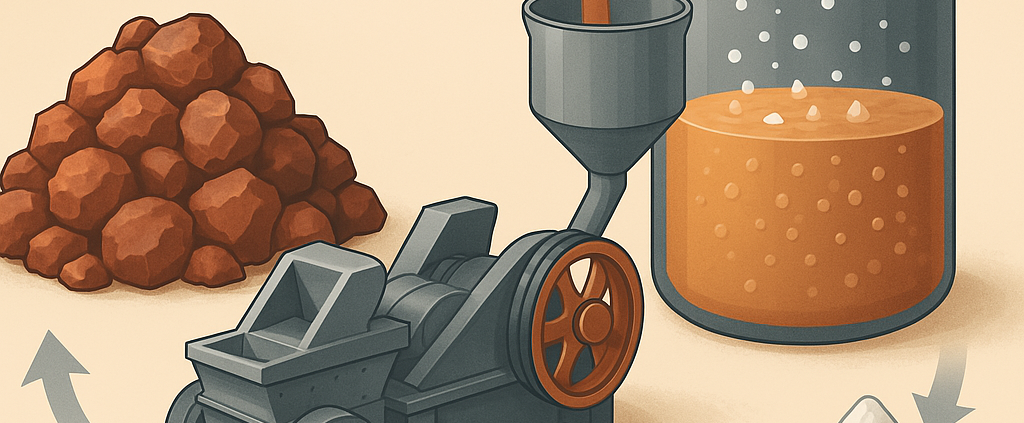
  1. خردایش و آسیاب کردن – بوکسیت خرد شده و آسیاب می‌شود تا سطح تماس آن افزایش یابد.
  2. انحلال در سود سوزآور (NaOH) – بوکسیت در محلول سود سوزآور در دمای بالا حل می‌شود تا آلومینیوم هیدروکسیدها حل شوند.
  3. جداسازی ناخالصی‌ها – مواد نامحلول مانند اکسید آهن و سیلیس ته‌نشین شده و از محلول جدا می‌شوند.
  4. رسوب‌دهی آلومینیوم هیدروکسید – با کاهش دما و تغییر شرایط شیمیایی، آلومینیوم هیدروکسید (Al(OH)₃) رسوب می‌کند.
  5. کلسیناسیون (پخت در دمای بالا) – آلومینیوم هیدروکسید در دمای حدود 1000-1200 درجه سانتی‌گراد گرم می‌شود تا به آلومینا (Al₂O₃) تبدیل شود.

3.2. معادلات شیمیایی فرآیند بایر

واکنش انحلال: رسوب‌دهی: کلسیناسیون:

3.3. مزایا و معایب فرآیند بایر

مزایا معایب
بازیافت سود سوزآور مصرف بالای انرژی
تولید آلومینای با خلوص بالا تولید لجن قرمز به‌عنوان ضایعات سمی
استفاده صنعتی گسترده نیاز به دمای بالا در کلسیناسیون

4. نتیجه‌گیری

فرآیند استخراج بوکسیت و روش بایر نقش کلیدی در تولید آلومینا دارند. با پیشرفت فناوری، بهبود در بازیافت مواد و کاهش اثرات زیست‌محیطی فرآیند بایر از مهم‌ترین چالش‌های صنعت آلومینیوم محسوب می‌شود. پژوهش‌ها در زمینه کاهش مصرف انرژی و مدیریت بهتر لجن قرمز می‌تواند به پایداری بیشتر این صنعت کمک کند.

منابع پیشنهادی:

  1. کتاب‌ها:

  2. مقالات علمی:

  3. استانداردها و گزارش‌های صنعتی:

    • International Aluminium Institute, “Alumina Production and Bauxite Mining Report”, 2020.

    • ASTM B211-21: “Standard Specification for Aluminum and Aluminum-Alloy”, ASTM International, 2021.

  4. وب‌سایت‌های معتبر:

    • Aluminium.org – انجمن بین‌المللی آلومینیوم

    • USGS.gov – سازمان زمین‌شناسی ایالات متحده

    • ScienceDirect.com – پایگاه مقالات علمی معتبر درباره فرآیند بایر

Production and Extraction of Aluminum Oxide – Bauxite Extraction Process and Bayer Method

1. Introduction

Aluminum oxide (Al₂O₃), also known as alumina, is a key material in aluminum production. It is extracted from bauxite and refined through the Bayer process. This article will discuss the process of extracting bauxite, the Bayer method, and the applications of alumina.


2. Bauxite Extraction

2.1. Sources and Bauxite Deposits

Bauxite, the primary ore of aluminum, is mostly found in tropical regions. Large bauxite deposits are located in countries like Australia, Guinea, Brazil, China, and India.

2.2. Chemical Composition of Bauxite

Bauxite typically contains:

  • Aluminum hydroxides (such as gibbsite, boehmite, and diaspore)

  • Silica

  • Iron oxides (hematite and goethite)

  • Other minerals (such as titanium and other oxides)

2.3. Bauxite Extraction Stages

The bauxite extraction process involves the following stages:

  1. Surveying and Mine Evaluation – Economic and environmental assessments of the region.

  2. Drilling and Blasting – Surface layers are removed to access bauxite.

  3. Transportation and Storage – Extracted bauxite is transported to processing plants.

  4. Primary Processing – Removal of coarse impurities before entering the Bayer process.

Country Annual Bauxite Production (Million tons) Global Reserves Percentage
Australia 110 28%
Guinea 82 24%
Brazil 37 9%
China 68 22%
India 26 7%

3. Bayer Process for Aluminum Oxide Production

The Bayer process is the most common method for extracting alumina from bauxite, developed by Carl Josef Bayer in 1887.

3.1. Bayer Process Stages

  1. Crushing and Grinding – Bauxite is crushed and ground to increase its surface area.

  2. Dissolution in Sodium Hydroxide (NaOH) – Bauxite is dissolved in sodium hydroxide at high temperatures, and aluminum hydroxides are dissolved into the solution.

  3. Impurity Separation – Insoluble materials like iron oxide and silica are removed as red mud.

  4. Precipitation of Aluminum Hydroxide – The solution is cooled, and aluminum hydroxide (Al(OH)₃) precipitates.

  5. Calcination – The aluminum hydroxide is heated to 1000–1200°C to convert it into alumina (Al₂O₃).

3.2. Chemical Equations of the Bayer Process

Dissolution Reaction: Al(OH)3+NaOH→Na[Al(OH)4]Al(OH)_3 + NaOH \rightarrow Na[Al(OH)_4]

Precipitation Reaction: Na[Al(OH)4]→Al(OH)3↓+NaOHNa[Al(OH)_4] \rightarrow Al(OH)_3 \downarrow + NaOH

Calcination Reaction: 2Al(OH)3→Al2O3+3H2O↑2Al(OH)_3 \rightarrow Al_2O_3 + 3H_2O \uparrow

3.3. Advantages and Disadvantages of the Bayer Process

Advantages Disadvantages
High recovery of alumina from bauxite High energy consumption
Recycling of sodium hydroxide Production of red mud, an environmentally hazardous waste
Industrially efficient for aluminum-rich resources Requires high temperatures for calcination

4. Conclusion

The bauxite extraction and Bayer process play a vital role in alumina production. With advancements in technology, improving material recycling and reducing the environmental impact of the Bayer process are significant challenges for the aluminum industry. Ongoing research into energy optimization and better management of red mud is crucial for the sustainability of this industry.

اکسید آلومینیوم

مقدمه

اکسید آلومینیوم (Al₂O₃) یک ترکیب سرامیکی با خواص فیزیکی و شیمیایی منحصر‌به‌فرد است که در صنایع مختلفی مورد استفاده قرار می‌گیرد. این ماده دارای سختی بالا، مقاومت حرارتی عالی، پایداری شیمیایی و خواص الکتریکی مطلوب است که آن را برای کاربردهای متنوعی مناسب می‌سازد. در این مقاله، کاربردهای صنعتی اکسید آلومینیوم در صنایع سرامیک، متالورژی، کاتالیزورها و مواد ساینده بررسی می‌شود.

کاربردهای صنعتی اکسید آلومینیوم

1. صنعت سرامیک

اکسید آلومینیوم یکی از مواد اصلی در تولید سرامیک‌های صنعتی و پیشرفته است. این ماده در ساخت انواع سرامیک‌های مهندسی مانند دیرگدازها، عایق‌های الکتریکی، و کاشی‌های مقاوم به سایش کاربرد دارد. سرامیک‌های مبتنی بر اکسید آلومینیوم به دلیل استحکام مکانیکی بالا، مقاومت در برابر شوک حرارتی و پایداری شیمیایی، در صنایع الکترونیک، خودروسازی، هوافضا و پزشکی نیز مورد استفاده قرار می‌گیرند. همچنین در تولید ایمپلنت‌های دندانی و پروتزهای پزشکی به دلیل زیست‌سازگاری این ماده از آن بهره می‌برند.

2. صنعت متالورژی

اکسید آلومینیوم در فرآیندهای متالورژی به عنوان ماده دیرگداز در کوره‌ها و به عنوان پوشش‌های مقاوم در برابر حرارت استفاده می‌شود. همچنین، در تولید فلز آلومینیوم از بوکسیت نقش اساسی ایفا می‌کند. فرآیند بایر که رایج‌ترین روش استخراج آلومینا از بوکسیت است، از این ماده برای تولید آلومینیوم استفاده می‌کند. علاوه بر این، اکسید آلومینیوم به عنوان یک افزودنی در تولید آلیاژهای خاص و سوپرآلیاژها کاربرد دارد. این ماده در قالب‌گیری فلزات، پوشش‌های ضدسایش برای تجهیزات صنعتی و حتی در جوشکاری برخی از آلیاژها نقش مهمی ایفا می‌کند.

3. کاتالیزورها

این ماده به دلیل سطح ویژه بالا و پایداری شیمیایی عالی، به عنوان یک پایه کاتالیزوری در واکنش‌های شیمیایی مورد استفاده قرار می‌گیرد. کاتالیزورهای مبتنی بر اکسید آلومینیوم در صنایع پتروشیمی و پالایشگاهی به کار می‌روند. این ترکیب در فرایندهای کراکینگ نفتی، اصلاح بخار متان برای تولید هیدروژن، و فرایندهای تصفیه گازهای صنعتی نقش کلیدی دارد. علاوه بر این، در تولید مواد شیمیایی مانند آمونیاک، متانول و سایر فرآورده‌های پتروشیمی نیز استفاده می‌شود. خاصیت جذب رطوبت آن نیز باعث می‌شود که در بسیاری از فرآیندهای تصفیه به عنوان جاذب و فیلتر استفاده گردد.

4. مواد ساینده

یکی از مهم‌ترین کاربردهای اکسید آلومینیوم، استفاده به عنوان ماده ساینده در تولید سمباده‌ها، ابزارهای برش و پولیش است. سختی بالا و مقاومت به سایش این ماده، آن را به گزینه‌ای ایده‌آل برای چنین کاربردهایی تبدیل کرده است. در صنعت تولید سنگ‌های برش و سایش، این ماده به دلیل قابلیت شکل‌دهی بالا و سختی زیاد، عملکرد بهتری نسبت به دیگر مواد ساینده مانند سیلیکون کاربید دارد. همچنین در تولید چرخ‌های سنگ‌زنی، ابزارهای تیزکننده و حتی در فرآیندهای نهایی‌سازی قطعات فلزی و شیشه‌ای استفاده می‌شود. اکسید آلومینیوم در فرآیندهای پرداخت سطح و حذف زنگ‌زدگی از فلزات نیز به کار می‌رود و به همین دلیل در صنایع خودروسازی، هوافضا و تولید تجهیزات دقیق بسیار مورد توجه قرار گرفته است.

جدول مراحل استفاده از اکسید آلومینیوم در مواد ساینده

مرحله توضیح
1. انتخاب نوع ساینده بسته به نیاز، دانه‌بندی و درجه سختی مناسب اکسید آلومینیوم انتخاب می‌شود.
2. آماده‌سازی سطح کار تمیز کردن و حذف آلودگی‌ها از سطح مورد نظر برای بهبود کارایی ساینده.
3. استفاده از ابزار مناسب استفاده از سمباده، چرخ برش، ابزارهای پولیش یا دیگر وسایل ساینده متناسب با کار.
4. اعمال فشار مناسب فشار بیش از حد می‌تواند باعث ایجاد حرارت زیاد و کاهش عمر ابزار ساینده شود.
5. خنک‌کاری در حین استفاده در صورت نیاز، استفاده از مواد خنک‌کننده برای جلوگیری از تغییرات حرارتی ناخواسته.
6. بررسی کیفیت نهایی ارزیابی نتیجه کار و در صورت لزوم تکرار مراحل برای دستیابی به سطح مطلوب.
7. نگهداری ابزار ساینده تمیز کردن و ذخیره صحیح ابزار برای افزایش عمر مفید آن.

جدول مقایسه‌ای کاربردهای اکسید آلومینیوم

کاربرد صنعتی ویژگی‌های مورد استفاده از Al₂O₃ نمونه محصولات
صنعت سرامیک مقاومت حرارتی، سختی بالا، زیست‌سازگاری سرامیک‌های مهندسی، کاشی‌های مقاوم، ایمپلنت‌های دندانی
متالورژی مقاومت به حرارت، پایداری شیمیایی، مقاومت در برابر سایش دیرگدازها، پوشش‌های کوره، آلیاژهای خاص
کاتالیزورها سطح ویژه بالا، پایداری شیمیایی، جذب رطوبت کاتالیزورهای پتروشیمی، جاذب‌ها و فیلترها
مواد ساینده سختی بالا، مقاومت به سایش، قابلیت شکل‌دهی سمباده، ابزارهای پولیش، سنگ‌های برش

نتیجه‌گیری

اکسید آلومینیوم به دلیل خواص منحصر‌به‌فرد خود، در بسیاری از صنایع کلیدی جهان کاربرد دارد. از سرامیک‌های صنعتی گرفته تا کاتالیزورها و مواد ساینده، این ماده نقش اساسی در بهبود عملکرد و افزایش دوام محصولات صنعتی ایفا می‌کند. تحقیقات جدید همچنان در حال گسترش کاربردهای این ماده در فناوری‌های نوین هستند، که آینده‌ای روشن برای استفاده از اکسید آلومینیوم در صنایع مختلف را نوید می‌دهد.

منابع تحقیقاتی

  1. Callister, W. D., & Rethwisch, D. G. (2018). Materials Science and Engineering: An Introduction. Wiley.
  2. Misra, C. (1986). Industrial Alumina Chemicals. ACS Publications.
  3. Scott, D. W. (2001). Oxide Ceramics: Chemical and Structural Properties. Springer.
  4. Kirk-Othmer Encyclopedia of Chemical Technology. (2013). Aluminum Oxide Applications.
  5. Riedel, R. (2008). Handbook of Ceramic Hard Materials. Wiley-VCH.

Industrial Applications of Aluminum Oxide (Al₂O₃)

Introduction

Aluminum oxide (Al₂O₃) is a ceramic compound with unique physical and chemical properties that make it widely used across various industries. This material exhibits high hardness, excellent thermal resistance, chemical stability, and desirable electrical properties, making it suitable for diverse applications. This article examines the industrial applications of aluminum oxide in ceramics, metallurgy, catalysts, and abrasives.

Industrial Applications

1. Ceramic Industry

Aluminum oxide is a primary material in the production of industrial and advanced ceramics. It is used to manufacture engineering ceramics such as refractories, electrical insulators, and wear-resistant tiles. Due to its high mechanical strength, thermal shock resistance, and chemical stability, alumina-based ceramics are also employed in electronics, automotive, aerospace, and medical industries. Additionally, it is used in dental implants and medical prostheses due to its biocompatibility.

2. Metallurgy Industry

Aluminum oxide plays a crucial role in metallurgical processes as a refractory material in furnaces and as a heat-resistant coating. It is also essential in aluminum metal production from bauxite. The Bayer process, the most common method of extracting alumina from bauxite, relies on this material for aluminum manufacturing. Furthermore, aluminum oxide is used as an additive in the production of special alloys and superalloys. It is vital in metal casting, anti-wear coatings for industrial equipment, and even welding certain alloys.

3. Catalysts

Due to its high surface area and excellent chemical stability, aluminum oxide serves as a catalyst support in chemical reactions. Alumina-based catalysts are used in the petrochemical and refinery industries. This compound plays a crucial role in petroleum cracking, methane steam reforming for hydrogen production, and industrial gas purification processes. Additionally, it is used in the production of chemicals such as ammonia, methanol, and other petrochemical products. Its moisture-absorbing properties make it useful as an adsorbent and filter in various purification processes.

4. Abrasives

One of the most significant applications of aluminum oxide is its use as an abrasive material in sandpapers, cutting tools, and polishing equipment. Its high hardness and wear resistance make it an ideal choice for such applications. In the manufacturing of grinding wheels and cutting stones, aluminum oxide offers superior performance compared to other abrasives like silicon carbide. It is also used in sharpening tools and in finishing processes for metal and glass components. Furthermore, aluminum oxide is employed in surface finishing and rust removal from metals, making it highly relevant in the automotive, aerospace, and precision equipment industries.

Table: Steps for Using Aluminum Oxide in Abrasives

Step Description
1. Choosing the Abrasive Type Selecting the appropriate grain size and hardness of aluminum oxide based on the application.
2. Preparing the Work Surface Cleaning and removing contaminants to enhance abrasive efficiency.
3. Using the Right Tools Employing sandpaper, grinding wheels, polishing tools, or other suitable abrasive equipment.
4. Applying Proper Pressure Avoiding excessive pressure to prevent overheating and extend tool lifespan.
5. Cooling During Use Using cooling agents if necessary to prevent unwanted thermal changes.
6. Evaluating the Final Quality Assessing the results and repeating the process if required to achieve the desired finish.
7. Maintaining Abrasive Tools Cleaning and storing tools properly to maximize their lifespan.

Comparative Table of Aluminum Oxide Applications

Industrial Application Utilized Properties of Al₂O₃ Example Products
Ceramic Industry Thermal resistance, high hardness, biocompatibility Engineering ceramics, wear-resistant tiles, dental implants
Metallurgy Heat resistance, chemical stability, wear resistance Refractories, furnace coatings, special alloys
Catalysts High surface area, chemical stability, moisture absorption Petrochemical catalysts, adsorbents, filters
Abrasives High hardness, wear resistance, formability Sandpaper, polishing tools, grinding wheels

Conclusion

Due to its unique properties, aluminum oxide plays a vital role in numerous key industries worldwide. From industrial ceramics to catalysts and abrasives, this material enhances performance and extends product durability. Ongoing research continues to expand the applications of this material in emerging technologies, promising a bright future for aluminum oxide in various industries.

Research Sources

  1. Callister, W. D., & Rethwisch, D. G. (2018). Materials Science and Engineering: An Introduction. Wiley.
  2. Misra, C. (1986). Industrial Alumina Chemicals. ACS Publications.
  3. Scott, D. W. (2001). Oxide Ceramics: Chemical and Structural Properties. Springer.
  4. Kirk-Othmer Encyclopedia of Chemical Technology. (2013). Aluminum Oxide Applications.
  5. Riedel, R. (2008). Handbook of Ceramic Hard Materials. Wiley-VCH.

"آشنایی با روش‌های تولید و فرآوری اکسید آلومینیوم؛ بررسی کاربردها، مراحل تولید، و اهمیت این ماده در صنایع مختلف."

توضیح فرآیندهای مختلف تولید اکسید آلومینیوم، از جمله روش بایر و تأثیرات زیست محیطی مرتبط با این فرآیندها

چکیده: اکسید آلومینیوم، معروف به آلومینا، یکی از پرکاربردترین مواد معدنی در صنایع مختلف است. این ماده از طریق فرآیندهای مختلفی تولید می‌شود که مهم‌ترین آن‌ها فرآیند بایر است. این مقاله به بررسی این فرآیندها و تأثیرات زیست محیطی آن‌ها می‌پردازد.

مقدمه

اکسید آلومینیوم یا آلومینا به دلیل خواص بارز خود مانند مقاومت در برابر حرارت، سایش و خواص دی‌الکتریکی، در صنایع مختلفی کاربرد دارد. تولید این ماده از طریق فرآیندهای مختلف شیمیایی و فیزیکی صورت می‌گیرد که هر کدام مزایا و چالش‌های زیست محیطی خاص خود را دارند.

فرآیند تولید آلومینا:

فرآیند توضیح تأثیرات زیست محیطی
فرآیند بایر استخراج آلومینا از بوکسیت با استفاده از سود سوزآور تولید زباله‌های قلیایی بسیار، تأثیر بر کیفیت آب
کلسیناسیون حرارت دادن آلومینا برای حذف آب و افزایش خلوص انتشار گازهای گلخانه‌ای مانند CO2
فرآیند سنتر تبدیل هیدروکسید آلومینیوم به آلومینا با حرارت بالا مصرف بالای انرژی و انتشارات دی‌اکسید کربن

۳فرآیند بایر:

فرآیند بایر، که به عنوان روش استاندارد برای استخراج آلومینا از بوکسیت معرفی شده است، در دما و فشار بالا انجام می‌گیرد. بوکسیت، پیش از اینکه در محلول سود سوزآور حل شود، خرد و آسیاب می‌شود. آلومینا به صورت حلالی در این محلول استخراج می‌شود و سپس از طریق فرایندهای تصفیه، آلومینا به شکل خالص خود بازیابی می‌شود. یکی از مهم‌ترین مراحل این فرآیند، کنترل دقیق شرایط فرآیند است تا میزان آلودگی‌های زیست محیطی به حداقل برسد. همچنین، بازیابی و بازچرخانی سود مصرفی، از جمله اقدامات ضروری برای کاهش تأثیرات زیست محیطی این فرآیند محسوب می‌شود.

۴تأثیرات زیست محیطی اکسید آلومینیوم:

فرآیند تولید آلومینا، به ویژه از طریق فرآیند بایر، مستلزم مدیریت دقیق تأثیرات زیست محیطی است. این فرآیند به طور معمول منجر به تولید پسماندهای قلیایی می‌شود که می‌تواند بر خاک و آب‌های سطحی تأثیر بگذارد. این پسماندها باید به شکل ایمن دفع یا بازیافت شوند. علاوه بر این، انتشار گازهای گلخانه‌ای نظیر دی‌اکسید کربن و سولفور دی‌اکسید در طی فرایندهای تصفیه و کلسیناسیون نیز نیازمند توجه و کنترل است. توسعه فناوری‌های سبزتر و کارآمدتر می‌تواند به کاهش این تأثیرات کمک کند.

۵نتیجه‌گیری:

تولید آلومینا، در حالی که برای صنایع مختلف از اهمیت بالایی برخوردار است، نیازمند توجه جدی به تأثیرات زیست محیطی مرتبط با آن می‌باشد. بهینه‌سازی فرآیندهای موجود و توسعه روش‌های نوین تولید که از نظر محیطی پایدارتر هستند، می‌تواند به حفظ منابع طبیعی و کاهش آلودگی‌های ناشی از این صنعت کمک کند. آگاهی از مسئولیت‌های اجتماعی و زیست محیطی و اتخاذ رویکردهایی که به کاهش اثرات منفی فعالیت‌های صنعتی منجر می‌شود، باید جزئی از هر استراتژی تولیدی باشد.

6.منابع

  1. Bayer, C. (1887). “Method for the production of alumina”. Journal of the Chemical Society.
    • این مرجع به اولین معرفی فرآیند بایر توسط کارل بایر در سال 1887 اشاره دارد. مقاله توضیح می‌دهد که چگونه اکسید آلومینیوم می‌تواند از بوکسیت با استفاده از محلول سود سوزآور و در شرایط خاص دما و فشار استخراج شود. این مرجع یک منبع کلیدی برای درک ابتدایی و تاریخی فرآیند است و بنیان‌گذاری است که صنعت مدرن آلومینیوم بر آن استوار است.
  2. Environmental Protection Agency. (2020). “Impact of alumina refining on the environment“.
    • این گزارش توسط سازمان حفاظت محیط زیست منتشر شده و جزئیات گسترده‌ای در مورد تأثیرات زیست محیطی فرآیند تولید آلومینا ارائه می‌دهد. مطالعه تأثیرات آلودگی آب، خاک و هوا ناشی از فرآیندهای مختلف استخراج و پالایش آلومینیوم را بررسی می‌کند و راهکارهای ممکن برای کاهش این تأثیرات را معرفی می‌کند..
  3. Smith, J., & Brown, H. (2019). “Modern approaches to alumina production”. Industrial Chemistry Review.
    • این مقاله توسط دو متخصص در زمینه شیمی صنعتی نوشته شده و به بررسی پیشرفت‌ها و نوآوری‌ها در فرآیندهای تولید آلومینا می‌پردازد. بخش‌هایی از مقاله به بهبودهای تکنولوژیکی در فرآیند بایر، مانند بهینه‌سازی مصرف انرژی و کاهش پسماندهای قلیایی می‌پردازد.

Explanation of Various Processes for Producing Aluminum Oxide, Including the Bayer Process and Environmental Impacts

Abstract:
Aluminum oxide, commonly known as alumina, is one of the most widely used minerals in various industries. It is produced through different processes, with the Bayer process being the most prominent. This article explores these processes and their associated environmental impacts.

Introduction:
Aluminum oxide, or alumina, is widely used in various industries due to its remarkable properties such as heat resistance, wear resistance, and dielectric qualities. The production of alumina involves various chemical and physical processes, each with its own advantages and environmental challenges.


Alumina Production Processes

Process Description Environmental Impacts
Bayer Process Extracting alumina from bauxite using caustic soda High production of alkaline waste, impact on water quality
Calcination Heating alumina to remove water and increase purity Emission of greenhouse gases like CO2
Sintering Process Converting aluminum hydroxide to alumina under high heat High energy consumption and CO2 emissions

The Bayer Process

The Bayer process, regarded as the standard method for extracting alumina from bauxite, operates under high temperature and pressure. Bauxite is crushed and ground before being dissolved in a caustic soda solution. Alumina is extracted in soluble form and subsequently purified to obtain its final pure form. One critical stage of this process is maintaining precise control over conditions to minimize environmental pollutants. Additionally, recycling the caustic soda used is a vital measure for reducing the environmental footprint of the process.


Environmental Impacts

The production of alumina, especially through the Bayer process, necessitates careful management of environmental effects. This process often results in the generation of alkaline waste, which can impact soil and surface water. These wastes must be disposed of or recycled safely. Furthermore, the emission of greenhouse gases such as carbon dioxide and sulfur dioxide during purification and calcination requires significant attention and control. Developing greener and more efficient technologies can help mitigate these impacts.


Conclusion

While alumina production is crucial for various industries, it requires serious attention to the environmental impacts associated with its processes. Optimizing current processes and developing innovative production methods with better environmental sustainability can contribute to preserving natural resources and reducing industrial pollution. Awareness of social and environmental responsibilities and adopting approaches to minimize negative effects should be integral to any production strategy.


References

Bayer, C. (1887). “Method for the production of alumina.” Journal of the Chemical Society.
This reference highlights the introduction of the Bayer process by Carl Bayer in 1887. The article explains how aluminum oxide can be extracted from bauxite using caustic soda under specific temperature and pressure conditions. This foundational work serves as the basis for the modern aluminum industry.

Environmental Protection Agency. (2020). “Impact of alumina refining on the environment.”
This report by the Environmental Protection Agency provides detailed insights into the environmental impacts of alumina production. It examines pollution of water, soil, and air resulting from various extraction and refining processes and suggests potential strategies for mitigating these impacts. This source is essential for understanding current environmental challenges and their solutions.

Smith, J., & Brown, H. (2019). “Modern approaches to alumina production.” Industrial Chemistry Review.
Authored by two experts in industrial chemistry, this paper explores advancements and innovations in alumina production. It discusses technological improvements in the Bayer process, such as energy optimization and reducing alkaline waste. Additionally, new techniques like advanced wastewater treatment and CO2 emission reduction technologies are introduced. This reference is critical for understanding modern and efficient approaches to alumina production.

اکسید آلومینیوم

اطلاعات کامل درباره اکسید آلومینیوم (Aluminum Oxide – Al₂O₃)

اکسید آلومینیوم (Al₂O₃) که به نام‌های آلومینا یا کوراندوم نیز شناخته می‌شود، یک ترکیب شیمیایی با کاربردهای گسترده در صنایع مختلف است. این ماده به دلیل ویژگی‌های منحصربه‌فرد خود، جایگاه ویژه‌ای در صنایع مختلف دارد. در ادامه به توضیحات جامع درباره این ماده می‌پردازیم:


ویژگی‌های اصلی 

  1. فرمول شیمیایی: Al₂O₃
  2. ظاهر: به صورت پودر سفید یا شفاف.
  3. ساختار کریستالی: دارای ساختار کریستالی شش‌وجهی (Hexagonal) یا مکعبی (Cubic) است.
  4. چگالی: 3.95 تا 4.1 گرم بر سانتی‌متر مکعب.
  5. نقطه ذوب: حدود 2072 درجه سانتی‌گراد.
  6. نقطه جوش: حدود 2977 درجه سانتی‌گراد.
  7. سختی: در مقیاس سختی موس، عدد 9 را دارد (بعد از الماس و سیلیکون کارباید).

انواع اکسید آلومینیوم

  1. آلفا آلومینا (α-Al₂O₃):
    • پایدارترین شکل کریستالی.
    • سختی بالا و مقاومت به خوردگی.
    • استفاده در سنگ‌های زینتی (یاقوت و یاقوت کبود).
  2. گاما آلومینا (γ-Al₂O₃):
    • ساختار متخلخل.
    • استفاده در کاتالیزورها و جذب مواد.
  3. دلتا و تتا آلومینا (δ, θ-Al₂O₃):
    • کاربردهای خاص در صنایع کاتالیست.

خواص فیزیکی و شیمیایی

  1. مقاومت شیمیایی: مقاوم در برابر اسیدها و بازهای قوی.
  2. عایق حرارتی: هدایت حرارتی کم و مقاوم در برابر تغییرات دما.
  3. عایق الکتریکی: مقاومت بالای الکتریکی.
  4. زیست‌سازگار: در کاربردهای پزشکی استفاده می‌شود.

کاربردهای اکسید آلومینیوم

  1. صنعت سرامیک:
    • تولید سرامیک‌های مقاوم به حرارت.
    • پوشش سرامیکی توربین‌ها و موتورهای جت.
  2. کاتالیزور:
    • پایه کاتالیزورها در فرآیندهای پتروشیمی.
    • به‌عنوان جاذب برای حذف رطوبت و ناخالصی‌ها.
  3. سنگ‌های زینتی:
    • به‌عنوان ماده پایه برای ساخت یاقوت و یاقوت کبود مصنوعی.
  4. مواد ساینده:
    • در تولید سنباده، سنگ‌ساب، و برش‌زن‌های صنعتی.
  5. عایق الکتریکی:
    • استفاده در قطعات الکتریکی و الکترونیکی.
  6. پزشکی:
    • تولید ایمپلنت‌های دندان و استخوان.
    • استفاده در پروتزها به دلیل زیست‌سازگاری بالا.
  7. صنایع اپتیک:
    • ساخت لنزها و پنجره‌های مقاوم به خش.
  8. صنایع متالورژی:
    • به‌عنوان ماده نسوز در کوره‌ها.
    • در تولید آلومینیوم به‌عنوان ماده خام.

روش‌های تولید اکسید آلومینیوم

  1. فرآیند بایر (Bayer Process):
    • بیشترین روش تولید آلومینا.
    • استفاده از بوکسیت به‌عنوان ماده خام.
  2. الکترولیز:
    • تولید آلومینا با خلوص بالا برای کاربردهای خاص.
  3. سینتر (Sintering):
    • تولید آلومینای متخلخل برای کاتالیزورها.

مزایا و معایب اکسید آلومینیوم

مزایا:

  • مقاومت به خوردگی و حرارت.
  • سختی بالا.
  • زیست‌سازگاری.
  • هدایت حرارتی پایین.

معایب:

  • شکننده بودن در فشارهای مکانیکی بالا.
  • هزینه بالای تولید در خلوص‌های بالا.

ملاحظات ایمنی و زیست‌محیطی

  1. ایمنی:
    • اکسید آلومینیوم معمولاً غیرسمی است.
    • استنشاق طولانی‌مدت پودر آن ممکن است مشکلات ریوی ایجاد کند.
  2. زیست‌محیطی:
    • تأثیرات کمی بر محیط‌زیست دارد.
    • قابل بازیافت و استفاده مجدد.

مزیت رقابتی در بازار

اکسید آلومینیوم به دلیل خواص منحصر‌به‌فرد خود، در صنایع پیشرفته جایگاه ویژه‌ای دارد و با پیشرفت فناوری، کاربردهای آن روزبه‌روز گسترده‌تر می‌شود.


جمع‌بندی: اکسید آلومینیوم ماده‌ای کلیدی در صنایع مختلف از سرامیک تا پزشکی و الکترونیک است. با ویژگی‌های شیمیایی و فیزیکی منحصربه‌فرد خود، به یکی از پرکاربردترین مواد در فناوری‌های نوین تبدیل شده است.