کلرید کبالت چیست؟ | معرفی، ویژگیها، کاربردها و مزایا
مقدمه
کلرید کبالت (Cobalt Chloride) یکی از مهمترین ترکیبات کبالت در شیمی معدنی و صنعتی است. این ماده بهویژه بهخاطر خاصیت تغییر رنگ در پاسخ به رطوبت و دما شناخته میشود و در بسیاری از صنایع از جمله رطوبتسنجها، حسگرها، شیمی تجزیه، صنایع رنگ، باتریسازی و حتی پزشکی کاربرد دارد.
۱. معرفی کلرید کبالت (Cobalt Chloride)
کلرید کبالت یکی از مهمترین نمکهای فلز کبالت با حالت اکسایش +۲ است و معمولاً با فرمول شیمیایی CoCl₂ شناخته میشود. این ترکیب بسته به شرایط محیطی و میزان آبدار بودن آن، در رنگها و اشکال مختلفی یافت میشود که همین ویژگی، آن را به مادهای کاربردی در حسگرهای رطوبت و شیمی تحلیلی تبدیل کرده است.
۱-۱. ساختار شیمیایی
در حالت خشک یا بیآب، کلرید کبالت بهصورت CoCl₂ متشکل از یک یون فلزی Co²⁺ و دو یون کلر Cl⁻ است. این ترکیب ساختار بلوری مشخصی دارد که به آن اجازه میدهد در دماهای بالا پایدار باقی بماند. اما رایجترین شکل آن در صنعت و آزمایشگاهها فرم هیدراته، بهویژه کلرید کبالت ششآبه با فرمول CoCl₂·6H₂O است.
۱-۲. رنگ و شکل ظاهری
-
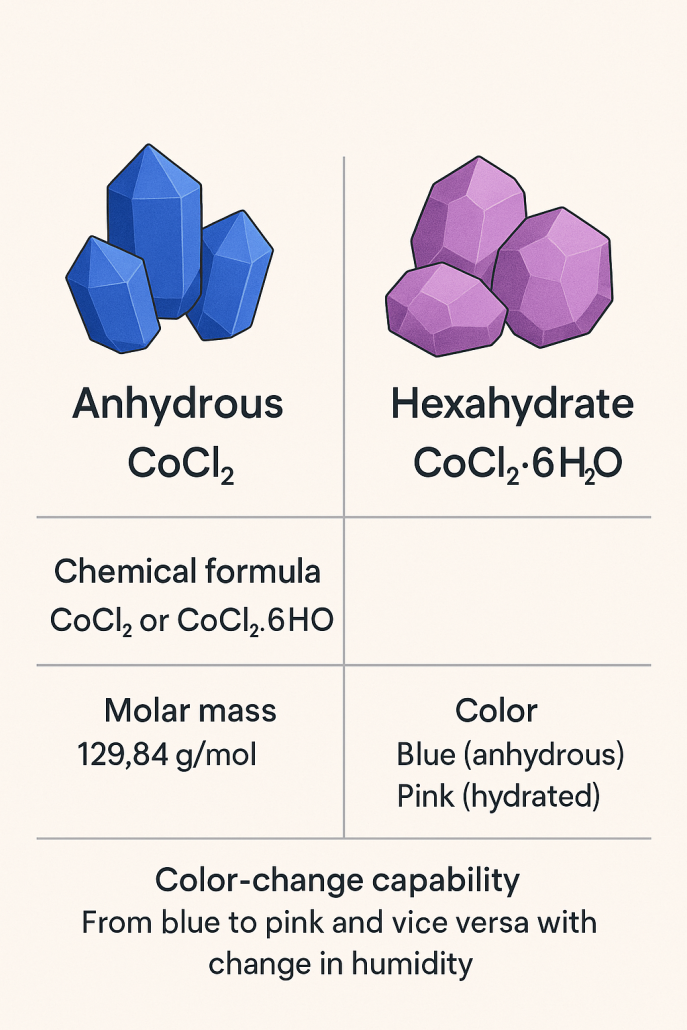
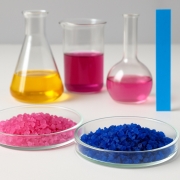
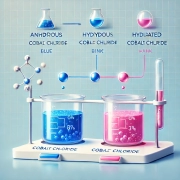
فرم بیآب: بلورهای آبیرنگ و خشک که در تماس با رطوبت بهسرعت رنگشان تغییر میکند.
-
فرم ششآبه (رایجترین نوع): بلورهای بنفش یا صورتیرنگ که هنگام خشک شدن به فرم آبی تبدیل میشوند.
این ویژگیِ تغییر رنگ برگشتپذیر بین آبی و صورتی، یکی از خاصیتهای منحصر بهفرد کلرید کبالت است که آن را به یک نشانگر بسیار دقیق رطوبت تبدیل کرده است. این ویژگی بر پایهی واکنش تعادلی بین فرم آبدار و بیآب آن عمل میکند:
۱-۳. منابع تأمین و تولید
کلرید کبالت در طبیعت بهصورت مستقیم یافت نمیشود، بلکه از واکنش فلز کبالت یا ترکیبات آن با اسید کلریدریک (HCl) بهدست میآید:
یا:
پس از واکنش، محلول حاصل را میتوان تبخیر و کریستالیزه کرد تا فرم خالص آن بهدست آید. در صنعت، معمولاً از فلز کبالت خالص یا اکسید کبالت بهعنوان ماده اولیه استفاده میشود.
۱-۴. پایداری و حساسیت
کلرید کبالت نسبت به رطوبت بسیار حساس است. در محیط مرطوب، بهسرعت آب جذب کرده و به فرم هیدراته تبدیل میشود و رنگ آن تغییر میکند. در مقابل، در محیط گرم و خشک، آب از دست میدهد و به رنگ آبی بازمیگردد.
۲. ویژگیهای فیزیکی و شیمیایی کلرید کبالت
کلرید کبالت بهویژه در دو فرم ساختاری رایج، یعنی بیآب (anhydrous) و ششآبه (hexahydrate) شناخته میشود. این دو فرم نهتنها از نظر ظاهری، بلکه از نظر خواص فیزیکی و شیمیایی نیز تفاوتهایی مهم دارند که در کاربردهای صنعتی و آزمایشگاهی مؤثرند.
۲-۱. جدول خواص فیزیکی کلرید کبالت
| ویژگی | فرم بیآب (CoCl₂) | فرم ششآبه (CoCl₂·6H₂O) |
|---|---|---|
| رنگ | آبی | صورتی یا بنفش |
| حالت فیزیکی | بلور جامد | بلور جامد |
| نقطه ذوب | 735°C | حدود 86°C (تجزیه) |
| نقطه جوش | 1049°C | تجزیه میشود |
| چگالی | 3.36 g/cm³ | 1.92 g/cm³ |
| حلالیت در آب | بالا | بسیار بالا |
| واکنش با هوا | جذب رطوبت، تبدیل به ششآبه | پایدار در هوای مرطوب |
۲-۲. رفتار گرمایی
کلرید کبالت در فرم هیدراته با حرارتدهی تجزیه شده و آب از دست میدهد، در نتیجه به فرم بیآب تبدیل شده و رنگ آن از صورتی به آبی تغییر میکند. این فرآیند برگشتپذیر است:
-
گرما (خشک کردن): صورتی ⟶ آبی
-
رطوبت (هیدراته شدن): آبی ⟶ صورتی
این ویژگی بهشدت در طراحی سنسورهای دما و رطوبت به کار میرود.
۲-۳. رفتار شیمیایی
-
در محلول آبی، کلرید کبالت یونیزه شده و یونهای Co²⁺ و Cl⁻ آزاد میکند.
-
با بازها واکنش داده و هیدروکسید کبالت تولید میکند:
-
با عوامل کاهنده یا اکسیدکننده قوی، وارد واکنشهای شیمیایی پیچیدهتری میشود.
۲-۴. حلالیت و رفتار در حلالهای مختلف
کلرید کبالت هم در آب و هم در حلالهایی نظیر اتانول، متانول، استون و اتر تا حد زیادی حل میشود، بهویژه فرم ششآبه که در محیطهای قطبی با سرعت زیادی حل میگردد. در آب، محلول حاصل صورتیرنگ است و pH کمی اسیدی دارد.
۲-۵. ساختار مولکولی و بلوری
-
فرم بیآب: دارای ساختار بلوری تتراگونال یا هگزاگونال است.
-
فرم هیدراته: بلورهای مونوکلینیک با یونهای Co²⁺ که با شش مولکول آب بهصورت اکتاهدرال هماهنگ شدهاند.
۲-۶. پایداری شیمیایی
کلرید کبالت پایدار است، اما در برابر نور مستقیم و گرمای زیاد ممکن است تجزیه شود. همچنین در حضور مواد اکسیدکننده قوی یا اسیدهای قوی واکنشپذیر است. قرار گرفتن در معرض رطوبت بهراحتی باعث تغییر فرم آن میشود، به همین دلیل در بستهبندی آن از ظروف کاملاً آببند استفاده میشود.
۳. مهمترین کاربردهای کلرید کبالت
-
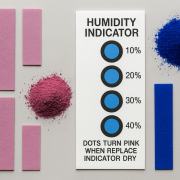
حسگر رطوبت:
-
بهدلیل تغییر رنگ در اثر جذب رطوبت، در رطوبتسنجها، ژل سیلیکا و بستههای نشانگر رطوبت استفاده میشود.
-
-
حسگرهای زیستمحیطی و هوشمند:
-
در تولید حسگرهایی برای اندازهگیری شرایط زیستمحیطی از جمله دما و رطوبت در صنایع دارویی و الکترونیکی.
-
-
صنایع شیمیایی:
-
کاتالیزور در واکنشهای آلی بهویژه در فرآیندهای سنتز مواد دارویی و رنگدانهها.
-
-
باتری و انرژی:
-
ترکیب اولیه برای تولید الکترود در باتریهای قابل شارژ لیتیومی.
-
-
آموزش و آزمایشگاه:
-
برای آموزش تغییر رنگ شیمیایی، واکنشهای محلولها، و شناسایی یونها.
-
-
کاربردهای پزشکی و دارویی:
-
در برخی آزمایشهای خونی و تحقیقاتی بهعنوان مارکر یا رنگ نشانگر.
-
۴. مزایای کلرید کبالت
-
حساسیت بالا به رطوبت (برای تولید سنسورهای دقیق)
-
پایداری در شرایط محیطی خاص
-
انحلالپذیری مناسب در حلالهای رایج
-
قیمت مناسب نسبت به سایر ترکیبات کبالت
-
امکان استفاده چندباره در فرآیندهای تغییر رنگ و بازیابی
۵. خطرات و هشدارهای ایمنی
-
سمیت: ترکیبی سمی است و تماس مستقیم با پوست، چشم و استنشاق غبار آن خطرناک است.
-
تحریککننده: موجب حساسیتهای پوستی و تنفسی در افراد حساس میشود.
-
طبقهبندی GHS: مادهای خطرناک برای سلامت انسان و محیط زیست
نکته ایمنی: استفاده از دستکش، ماسک، عینک محافظ و تهویه مناسب در هنگام کار با کلرید کبالت توصیه میشود.
۶. بستهبندی و نگهداری
-
در ظروف پلیاتیلن یا شیشهای مقاوم به رطوبت
-
دور از تابش نور مستقیم خورشید
-
در محیط خشک، خنک و دارای تهویه مناسب
۷. بازار و قیمت
کلرید کبالت در بازار جهانی و ایران توسط شرکتهای مواد شیمیایی عرضه میشود و قیمت آن بهصورت بستهبندیهای 100 گرمی تا چند کیلوگرمی عرضه میشود. قیمت آن بسته به خلوص، فرم (بیآب یا هیدراته)، و برند تولیدکننده متغیر است.
📚 منابع علمی و تخصصی
1. PubChem (پایگاه داده رسمی موسسه ملی سلامت آمریکا)
-
توضیحات شیمیایی، ساختار، خواص فیزیکی و ایمنی
-
لینک:
👉 https://pubchem.ncbi.nlm.nih.gov/compound/Cobalt-II-chloride
2. Sigma-Aldrich (از معتبرترین شرکتهای مواد شیمیایی در جهان)
-
اطلاعات محصول، ایمنی، کاربرد آزمایشگاهی
-
لینک:
👉 https://www.sigmaaldrich.com/IR/en/product/aldrich/255599
3. Fisher Scientific
-
دادههای خواص فیزیکی، اطلاعات ایمنی (SDS)
-
لینک:
👉 https://www.fishersci.com/shop/products/cobalt-ii-chloride-hexahydrate-acros-organics-3/p-7020112
4. ChemSpider (تحت نظر Royal Society of Chemistry)
-
ساختار مولکولی، ایزومرها، نامگذاری IUPAC
-
لینک:
👉 http://www.chemspider.com/Chemical-Structure.23245.html
5. Material Safety Data Sheet (MSDS) – Cobalt(II) Chloride
-
برگه اطلاعات ایمنی مواد (MSDS)
-
نمونه فایل از ScienceLab:
👉 https://www.sciencelab.com/msds.php?msdsId=9923598
6. Wikipedia (خلاصه مفید از اطلاعات عمومی و کاربردی)
7. کتاب مرجع شیمی معدنی – Housecroft & Sharpe
-
Inorganic Chemistry, 5th Edition
-
نویسندگان: Catherine Housecroft, Alan G. Sharpe
-
ناشر: Pearson Education
-
برای مطالعه آنلاین یا خرید:
👉 https://www.pearson.com/store/p/inorganic-chemistry/P100001410215
What is Cobalt Chloride? | Introduction, Properties, Applications, and Benefits
Introduction
Cobalt chloride is one of the most important cobalt compounds in inorganic and industrial chemistry. It is especially known for its color-changing properties in response to humidity and temperature. It finds applications in a wide range of industries including humidity sensors, detectors, analytical chemistry, pigment production, batteries, and even medicine.
1. Introduction to Cobalt Chloride
Cobalt chloride is one of the key salts of cobalt metal in the +2 oxidation state and is commonly represented by the chemical formula CoCl₂. Depending on environmental conditions and the degree of hydration, it can appear in different colors and forms. This feature makes it particularly useful in humidity sensors and analytical chemistry.
1.1 Chemical Structure
In its anhydrous (dry) form, cobalt chloride exists as CoCl₂, composed of one Co²⁺ ion and two Cl⁻ ions. It has a stable crystal structure that allows it to remain intact at high temperatures. However, the most common form used in industry and laboratories is its hydrated form, particularly the hexahydrate (CoCl₂·6H₂O).
1.2 Color and Appearance
-
Anhydrous form: Dry blue crystals that rapidly change color when exposed to humidity.
-
Hexahydrate form (most common): Pink or purple crystals that turn blue upon drying.
This reversible color change between blue and pink is one of cobalt chloride’s unique features, making it a highly accurate humidity indicator. The change is based on a chemical equilibrium reaction:
1.3 Sources and Production
Cobalt chloride does not occur naturally in pure form but is synthesized by reacting metallic cobalt or cobalt compounds with hydrochloric acid (HCl):
or:
After the reaction, the resulting solution can be evaporated and crystallized to obtain pure cobalt chloride. In industrial settings, pure cobalt metal or cobalt oxide is commonly used as the starting material.
1.4 Stability and Sensitivity
Cobalt chloride is highly sensitive to moisture. In a humid environment, it readily absorbs water and converts into its hydrated form, causing a visible color change. In contrast, in dry and hot conditions, it loses water and reverts to the blue anhydrous form.
2. Physical and Chemical Properties of Cobalt Chloride
Cobalt chloride is known primarily in two structural forms: anhydrous and hexahydrate. These two forms differ not only in appearance but also in key physical and chemical properties, which influence their practical applications in industry and laboratories.
2.1 Table of Physical Properties
| Property | Anhydrous (CoCl₂) | Hexahydrate (CoCl₂·6H₂O) |
|---|---|---|
| Color | Blue | Pink or purple |
| Physical State | Solid crystals | Solid crystals |
| Melting Point | 735°C | ~86°C (decomposes) |
| Boiling Point | 1049°C | Decomposes |
| Density | 3.36 g/cm³ | 1.92 g/cm³ |
| Solubility in Water | High | Very high |
| Air Reactivity | Absorbs moisture, forms hexahydrate | Stable in humid air |
2.2 Thermal Behavior
When heated, hydrated cobalt chloride loses water and converts into the anhydrous form, changing its color from pink to blue. This process is reversible:
-
Heating (Drying): Pink → Blue
-
Moisture (Hydration): Blue → Pink
This reversible reaction is extensively used in the design of temperature and humidity sensors.
2.3 Chemical Behavior
-
In aqueous solution, cobalt chloride dissociates into Co²⁺ and Cl⁻ ions.
-
Reacts with bases to form cobalt hydroxide:
-
Under strong oxidizing or reducing conditions, it can undergo more complex chemical transformations.
2.4 Solubility in Various Solvents
Cobalt chloride is highly soluble in water, ethanol, methanol, acetone, and ether. The hexahydrate form dissolves rapidly in polar solvents. In water, it produces a pink solution with slightly acidic pH.
2.5 Molecular and Crystal Structure
-
Anhydrous form: Tetragonal or hexagonal crystal structure.
-
Hydrated form: Monoclinic crystals with Co²⁺ ions coordinated to six water molecules in an octahedral geometry.
2.6 Chemical Stability
Cobalt chloride is generally stable but may decompose under intense light or heat. It reacts with strong oxidizing agents and acids. Due to its sensitivity to moisture, it must be stored in airtight containers.
3. Major Applications of Cobalt Chloride
● Humidity Sensors
Due to its color-changing ability when absorbing moisture, cobalt chloride is widely used in humidity indicators, silica gel packets, and sensor cards.
● Smart and Environmental Sensors
Used in the manufacturing of sensors for measuring environmental conditions like humidity and temperature, particularly in the pharmaceutical and electronics industries.
● Chemical Industry
Serves as a catalyst in organic reactions, especially in the synthesis of pharmaceuticals and pigments.
● Batteries and Energy Storage
Used as a precursor material in the production of lithium-ion battery electrodes.
● Education and Laboratories
Ideal for demonstrating chemical color change reactions, solution chemistry, and ion identification experiments.
● Medical and Research Uses
Sometimes used as a marker or indicator dye in blood tests and laboratory research.
4. Advantages of Cobalt Chloride
-
High sensitivity to humidity (ideal for precision sensors)
-
Stable under controlled environmental conditions
-
Good solubility in common solvents
-
Cost-effective compared to other cobalt compounds
-
Reusable in reversible color-change applications
5. Hazards and Safety Warnings
-
Toxicity: Cobalt chloride is a toxic compound; direct contact with skin, eyes, or inhalation of its dust is hazardous.
-
Irritation: Can cause skin and respiratory allergies in sensitive individuals.
-
GHS Classification: Hazardous to human health and the environment.
Safety Note: Always use gloves, masks, safety goggles, and work in a well-ventilated area when handling cobalt chloride.
6. Packaging and Storage
-
Stored in moisture-resistant polyethylene or glass containers
-
Kept away from direct sunlight
-
Best preserved in a cool, dry, and well-ventilated environment
7. Market and Pricing
Cobalt chloride is supplied by chemical companies in both international and Iranian markets. It is available in packaging ranging from 100 grams to several kilograms. The price depends on the purity, form (anhydrous or hydrated), and manufacturer.



دیدگاه خود را ثبت کنید
تمایل دارید در گفتگوها شرکت کنید؟در گفتگو ها شرکت کنید.