

مقدمه
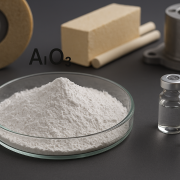
اکسید آلومینیوم (Al₂O₃) یک ترکیب سرامیکی با خواص فیزیکی و شیمیایی منحصربهفرد است که در صنایع مختلفی مورد استفاده قرار میگیرد. این ماده دارای سختی بالا، مقاومت حرارتی عالی، پایداری شیمیایی و خواص الکتریکی مطلوب است که آن را برای کاربردهای متنوعی مناسب میسازد. در این مقاله، کاربردهای صنعتی اکسید آلومینیوم در صنایع سرامیک، متالورژی، کاتالیزورها و مواد ساینده بررسی میشود.
کاربردهای صنعتی اکسید آلومینیوم
1. صنعت سرامیک
اکسید آلومینیوم یکی از مواد اصلی در تولید سرامیکهای صنعتی و پیشرفته است. این ماده در ساخت انواع سرامیکهای مهندسی مانند دیرگدازها، عایقهای الکتریکی، و کاشیهای مقاوم به سایش کاربرد دارد. سرامیکهای مبتنی بر اکسید آلومینیوم به دلیل استحکام مکانیکی بالا، مقاومت در برابر شوک حرارتی و پایداری شیمیایی، در صنایع الکترونیک، خودروسازی، هوافضا و پزشکی نیز مورد استفاده قرار میگیرند. همچنین در تولید ایمپلنتهای دندانی و پروتزهای پزشکی به دلیل زیستسازگاری این ماده از آن بهره میبرند.
2. صنعت متالورژی
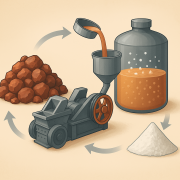
اکسید آلومینیوم در فرآیندهای متالورژی به عنوان ماده دیرگداز در کورهها و به عنوان پوششهای مقاوم در برابر حرارت استفاده میشود. همچنین، در تولید فلز آلومینیوم از بوکسیت نقش اساسی ایفا میکند. فرآیند بایر که رایجترین روش استخراج آلومینا از بوکسیت است، از این ماده برای تولید آلومینیوم استفاده میکند. علاوه بر این، اکسید آلومینیوم به عنوان یک افزودنی در تولید آلیاژهای خاص و سوپرآلیاژها کاربرد دارد. این ماده در قالبگیری فلزات، پوششهای ضدسایش برای تجهیزات صنعتی و حتی در جوشکاری برخی از آلیاژها نقش مهمی ایفا میکند.
3. کاتالیزورها
این ماده به دلیل سطح ویژه بالا و پایداری شیمیایی عالی، به عنوان یک پایه کاتالیزوری در واکنشهای شیمیایی مورد استفاده قرار میگیرد. کاتالیزورهای مبتنی بر اکسید آلومینیوم در صنایع پتروشیمی و پالایشگاهی به کار میروند. این ترکیب در فرایندهای کراکینگ نفتی، اصلاح بخار متان برای تولید هیدروژن، و فرایندهای تصفیه گازهای صنعتی نقش کلیدی دارد. علاوه بر این، در تولید مواد شیمیایی مانند آمونیاک، متانول و سایر فرآوردههای پتروشیمی نیز استفاده میشود. خاصیت جذب رطوبت آن نیز باعث میشود که در بسیاری از فرآیندهای تصفیه به عنوان جاذب و فیلتر استفاده گردد.
4. مواد ساینده
یکی از مهمترین کاربردهای اکسید آلومینیوم، استفاده به عنوان ماده ساینده در تولید سمبادهها، ابزارهای برش و پولیش است. سختی بالا و مقاومت به سایش این ماده، آن را به گزینهای ایدهآل برای چنین کاربردهایی تبدیل کرده است. در صنعت تولید سنگهای برش و سایش، این ماده به دلیل قابلیت شکلدهی بالا و سختی زیاد، عملکرد بهتری نسبت به دیگر مواد ساینده مانند سیلیکون کاربید دارد. همچنین در تولید چرخهای سنگزنی، ابزارهای تیزکننده و حتی در فرآیندهای نهاییسازی قطعات فلزی و شیشهای استفاده میشود. اکسید آلومینیوم در فرآیندهای پرداخت سطح و حذف زنگزدگی از فلزات نیز به کار میرود و به همین دلیل در صنایع خودروسازی، هوافضا و تولید تجهیزات دقیق بسیار مورد توجه قرار گرفته است.
جدول مراحل استفاده از اکسید آلومینیوم در مواد ساینده
| مرحله | توضیح |
|---|---|
| 1. انتخاب نوع ساینده | بسته به نیاز، دانهبندی و درجه سختی مناسب اکسید آلومینیوم انتخاب میشود. |
| 2. آمادهسازی سطح کار | تمیز کردن و حذف آلودگیها از سطح مورد نظر برای بهبود کارایی ساینده. |
| 3. استفاده از ابزار مناسب | استفاده از سمباده، چرخ برش، ابزارهای پولیش یا دیگر وسایل ساینده متناسب با کار. |
| 4. اعمال فشار مناسب | فشار بیش از حد میتواند باعث ایجاد حرارت زیاد و کاهش عمر ابزار ساینده شود. |
| 5. خنککاری در حین استفاده | در صورت نیاز، استفاده از مواد خنککننده برای جلوگیری از تغییرات حرارتی ناخواسته. |
| 6. بررسی کیفیت نهایی | ارزیابی نتیجه کار و در صورت لزوم تکرار مراحل برای دستیابی به سطح مطلوب. |
| 7. نگهداری ابزار ساینده | تمیز کردن و ذخیره صحیح ابزار برای افزایش عمر مفید آن. |
جدول مقایسهای کاربردهای اکسید آلومینیوم
| کاربرد صنعتی | ویژگیهای مورد استفاده از Al₂O₃ | نمونه محصولات |
| صنعت سرامیک | مقاومت حرارتی، سختی بالا، زیستسازگاری | سرامیکهای مهندسی، کاشیهای مقاوم، ایمپلنتهای دندانی |
| متالورژی | مقاومت به حرارت، پایداری شیمیایی، مقاومت در برابر سایش | دیرگدازها، پوششهای کوره، آلیاژهای خاص |
| کاتالیزورها | سطح ویژه بالا، پایداری شیمیایی، جذب رطوبت | کاتالیزورهای پتروشیمی، جاذبها و فیلترها |
| مواد ساینده | سختی بالا، مقاومت به سایش، قابلیت شکلدهی | سمباده، ابزارهای پولیش، سنگهای برش |
نتیجهگیری
اکسید آلومینیوم به دلیل خواص منحصربهفرد خود، در بسیاری از صنایع کلیدی جهان کاربرد دارد. از سرامیکهای صنعتی گرفته تا کاتالیزورها و مواد ساینده، این ماده نقش اساسی در بهبود عملکرد و افزایش دوام محصولات صنعتی ایفا میکند. تحقیقات جدید همچنان در حال گسترش کاربردهای این ماده در فناوریهای نوین هستند، که آیندهای روشن برای استفاده از اکسید آلومینیوم در صنایع مختلف را نوید میدهد.
منابع تحقیقاتی
- Callister, W. D., & Rethwisch, D. G. (2018). Materials Science and Engineering: An Introduction. Wiley.
- Misra, C. (1986). Industrial Alumina Chemicals. ACS Publications.
- Scott, D. W. (2001). Oxide Ceramics: Chemical and Structural Properties. Springer.
- Kirk-Othmer Encyclopedia of Chemical Technology. (2013). Aluminum Oxide Applications.
- Riedel, R. (2008). Handbook of Ceramic Hard Materials. Wiley-VCH.
Industrial Applications of Aluminum Oxide (Al₂O₃)
Introduction
Aluminum oxide (Al₂O₃) is a ceramic compound with unique physical and chemical properties that make it widely used across various industries. This material exhibits high hardness, excellent thermal resistance, chemical stability, and desirable electrical properties, making it suitable for diverse applications. This article examines the industrial applications of aluminum oxide in ceramics, metallurgy, catalysts, and abrasives.
Industrial Applications
1. Ceramic Industry
Aluminum oxide is a primary material in the production of industrial and advanced ceramics. It is used to manufacture engineering ceramics such as refractories, electrical insulators, and wear-resistant tiles. Due to its high mechanical strength, thermal shock resistance, and chemical stability, alumina-based ceramics are also employed in electronics, automotive, aerospace, and medical industries. Additionally, it is used in dental implants and medical prostheses due to its biocompatibility.
2. Metallurgy Industry
Aluminum oxide plays a crucial role in metallurgical processes as a refractory material in furnaces and as a heat-resistant coating. It is also essential in aluminum metal production from bauxite. The Bayer process, the most common method of extracting alumina from bauxite, relies on this material for aluminum manufacturing. Furthermore, aluminum oxide is used as an additive in the production of special alloys and superalloys. It is vital in metal casting, anti-wear coatings for industrial equipment, and even welding certain alloys.
3. Catalysts
Due to its high surface area and excellent chemical stability, aluminum oxide serves as a catalyst support in chemical reactions. Alumina-based catalysts are used in the petrochemical and refinery industries. This compound plays a crucial role in petroleum cracking, methane steam reforming for hydrogen production, and industrial gas purification processes. Additionally, it is used in the production of chemicals such as ammonia, methanol, and other petrochemical products. Its moisture-absorbing properties make it useful as an adsorbent and filter in various purification processes.
4. Abrasives
One of the most significant applications of aluminum oxide is its use as an abrasive material in sandpapers, cutting tools, and polishing equipment. Its high hardness and wear resistance make it an ideal choice for such applications. In the manufacturing of grinding wheels and cutting stones, aluminum oxide offers superior performance compared to other abrasives like silicon carbide. It is also used in sharpening tools and in finishing processes for metal and glass components. Furthermore, aluminum oxide is employed in surface finishing and rust removal from metals, making it highly relevant in the automotive, aerospace, and precision equipment industries.
Table: Steps for Using Aluminum Oxide in Abrasives
| Step | Description |
|---|---|
| 1. Choosing the Abrasive Type | Selecting the appropriate grain size and hardness of aluminum oxide based on the application. |
| 2. Preparing the Work Surface | Cleaning and removing contaminants to enhance abrasive efficiency. |
| 3. Using the Right Tools | Employing sandpaper, grinding wheels, polishing tools, or other suitable abrasive equipment. |
| 4. Applying Proper Pressure | Avoiding excessive pressure to prevent overheating and extend tool lifespan. |
| 5. Cooling During Use | Using cooling agents if necessary to prevent unwanted thermal changes. |
| 6. Evaluating the Final Quality | Assessing the results and repeating the process if required to achieve the desired finish. |
| 7. Maintaining Abrasive Tools | Cleaning and storing tools properly to maximize their lifespan. |
Comparative Table of Aluminum Oxide Applications
| Industrial Application | Utilized Properties of Al₂O₃ | Example Products |
| Ceramic Industry | Thermal resistance, high hardness, biocompatibility | Engineering ceramics, wear-resistant tiles, dental implants |
| Metallurgy | Heat resistance, chemical stability, wear resistance | Refractories, furnace coatings, special alloys |
| Catalysts | High surface area, chemical stability, moisture absorption | Petrochemical catalysts, adsorbents, filters |
| Abrasives | High hardness, wear resistance, formability | Sandpaper, polishing tools, grinding wheels |
Conclusion
Due to its unique properties, aluminum oxide plays a vital role in numerous key industries worldwide. From industrial ceramics to catalysts and abrasives, this material enhances performance and extends product durability. Ongoing research continues to expand the applications of this material in emerging technologies, promising a bright future for aluminum oxide in various industries.
Research Sources
- Callister, W. D., & Rethwisch, D. G. (2018). Materials Science and Engineering: An Introduction. Wiley.
- Misra, C. (1986). Industrial Alumina Chemicals. ACS Publications.
- Scott, D. W. (2001). Oxide Ceramics: Chemical and Structural Properties. Springer.
- Kirk-Othmer Encyclopedia of Chemical Technology. (2013). Aluminum Oxide Applications.
- Riedel, R. (2008). Handbook of Ceramic Hard Materials. Wiley-VCH.




دیدگاه خود را ثبت کنید
تمایل دارید در گفتگوها شرکت کنید؟در گفتگو ها شرکت کنید.