
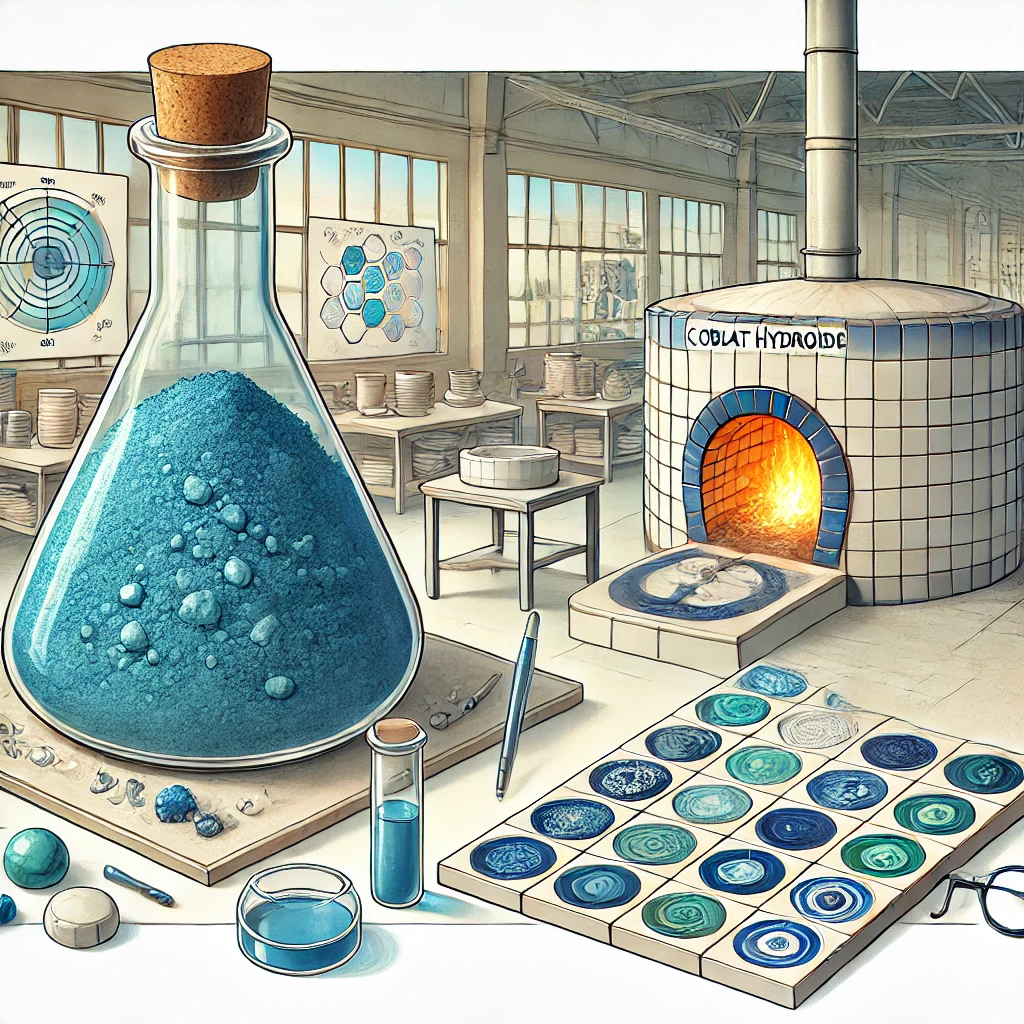
کاربرد هیدروکسید کبالت در تولید رنگهای سرامیکی و لعابهای مقاوم
شیمیایی شیمیو عرضه کننده عمده و خرد هیدروکسید کبالت در ایران میباشد.
چکیده
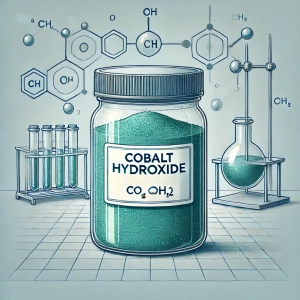
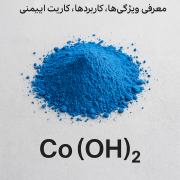
هیدروکسید کبالت (Co(OH)₂) یکی از ترکیبات مهم کبالت است که به دلیل خواص شیمیایی و رنگی ویژه خود در تولید رنگهای سرامیکی و لعابهای مقاوم کاربرد گستردهای دارد. این ماده در فرآیند رنگآمیزی سرامیکها، کاشیها و سفالینهها به عنوان یک منبع رنگی پایدار استفاده میشود. این مقاله به بررسی ویژگیهای شیمیایی هیدروکسید کبالت، نقش آن در تولید رنگهای سرامیکی، مزایا و معایب استفاده از آن، و تأثیر آن بر کیفیت و دوام لعابهای سرامیکی میپردازد.
۱. مقدمه
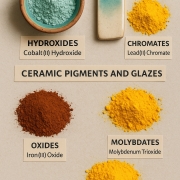
لعابهای سرامیکی و رنگهای سرامیکی مورد استفاده در آنها باید دارای ویژگیهایی از جمله پایداری رنگ، مقاومت شیمیایی و مکانیکی بالا، و قابلیت تحمل دماهای بالا باشند. هیدروکسید کبالت به عنوان یکی از منابع اصلی رنگ آبی در صنایع سرامیکی و لعابسازی شناخته میشود. این ترکیب با داشتن ویژگیهای منحصربهفرد، امکان ایجاد طیف گستردهای از رنگها را فراهم میکند که در تولید محصولات سرامیکی با کیفیت بالا مورد استفاده قرار میگیرد.
۲. ویژگیهای شیمیایی هیدروکسید کبالت
| ویژگی | توضیح |
|---|---|
| فرمول شیمیایی | Co(OH)₂ |
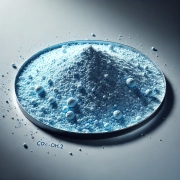
| رنگ در دمای محیط | سبز مایل به آبی |
| حلالیت در آب | نامحلول |
| پایداری حرارتی | در دماهای بالا تجزیه شده و به Co₃O₄ و سپس CoO تبدیل میشود |
| واکنش با ترکیبات سیلیکاتی | تولید رنگهای آبی و آبی مایل به سبز در دمای بالا |
۳. نقش هیدروکسید کبالت در تولید رنگهای سرامیکی
۳.۱. ایجاد رنگهای متنوع
هیدروکسید کبالت پس از قرار گرفتن در معرض حرارت، به اکسید کبالت (Co₃O₄) تبدیل میشود که یکی از رایجترین رنگدانههای سرامیکی برای ایجاد طیفهای آبی است. این رنگ در لعابهای شیشهای، کاشیها و ظروف سفالی به کار میرود. در برخی ترکیبات، افزودن مواد دیگر مانند اکسید روی (ZnO) و اکسید کروم (Cr₂O₃) میتواند منجر به تغییر طیف رنگی شود. علاوه بر رنگهای آبی کلاسیک، ترکیب این ماده با سایر اکسیدها طیفهایی از آبی فیروزهای تا آبی متمایل به سبز را ایجاد میکند که در طراحیهای مدرن و سنتی سرامیکها کاربرد گستردهای دارد.
۳.۲. افزایش شفافیت و کیفیت لعاب
یکی از ویژگیهای مهم هیدروکسید کبالت، افزایش شفافیت لعابهای سرامیکی است. این ماده باعث کاهش کدری و افزایش پخش نور در سطح لعاب شده و زیبایی بیشتری به محصول نهایی میبخشد. لعابهای حاوی کبالت معمولاً دارای سطحی صاف و براق هستند که جلوهای خاص به کاشیها و ظروف سرامیکی میدهد. این ویژگی موجب شده که این ترکیب در تولید ظروف تزئینی و کاشیهای لوکس بهصورت گسترده استفاده شود.
۳.۳. بهبود مقاومت شیمیایی لعاب
لعابهای حاوی هیدروکسید کبالت دارای مقاومت بالایی در برابر مواد اسیدی و بازی هستند. این ویژگی موجب افزایش دوام و ماندگاری کاشیها و ظروف سرامیکی در محیطهای مرطوب و خورنده میشود. به همین دلیل، از این ترکیب در تولید کاشیهای ضداسید، سینکهای سرامیکی، و ظروف مقاوم در برابر شویندههای قوی استفاده میشود. همچنین، این لعابها در برابر حرارتهای بالا و شوکهای حرارتی نیز پایداری بسیار بالایی دارند.
۳.۴. سازگاری با لعابهای مختلف
یکی دیگر از ویژگیهای منحصربهفرد هیدروکسید کبالت، سازگاری بالای آن با ترکیبات مختلف لعاب است. این ماده میتواند در انواع لعابهای مات، نیمهبراق و براق استفاده شود. همچنین، در ترکیب با سایر رنگدانهها، امکان ایجاد لعابهای چندرنگ و افکتهای خاص را فراهم میکند. این موضوع باعث شده که از هیدروکسید کبالت در تولید کاشیهای دستساز، آثار هنری سرامیکی و سفالینههای خاص استفاده گستردهای شود.
۳.۵. پایداری و یکنواختی رنگ در فرآیندهای صنعتی
یکی از چالشهای اصلی در تولید لعابهای سرامیکی، پایداری رنگ در فرآیندهای صنعتی است. هیدروکسید کبالت به دلیل داشتن ترکیب شیمیایی پایدار، رنگی یکنواخت و قابل پیشبینی ایجاد میکند که در فرآیندهای تولید انبوه سرامیکها اهمیت زیادی دارد. در مقایسه با برخی دیگر از رنگدانههای سرامیکی، این ترکیب کمتر تحت تأثیر تغییرات دمایی و شیمیایی قرار میگیرد و بنابراین کنترل کیفیت در فرآیند تولید را آسانتر میکند.
۴. مزایا و معایب استفاده از هیدروکسید کبالت در لعابسازی
| مزایا | معایب |
| ایجاد رنگهای آبی و سبز پایدار | هزینه بالای کبالت نسبت به سایر رنگدانهها |
| افزایش مقاومت شیمیایی و مکانیکی لعاب | نیاز به کنترل دقیق دما برای جلوگیری از تغییر رنگ ناخواسته |
| افزایش شفافیت و زیبایی سطح لعاب | اثرات زیستمحیطی در صورت دفع نامناسب پسماندهای کبالت |
| قابلیت ترکیب با دیگر اکسیدها برای ایجاد طیفهای رنگی جدید | محدودیت در ایجاد برخی رنگهای خاص مانند قرمز و زرد |
۵. تأثیر شرایط فرآیند بر عملکرد رنگدانههای کبالت در لعابسازی
| عامل | تأثیر بر رنگ و کیفیت لعاب |
| دمای پخت | در دماهای بالاتر (بین ۱۲۰۰ تا ۱۴۰۰ درجه سانتیگراد)، پایداری رنگ افزایش مییابد. |
| ترکیب لعاب | وجود اکسیدهای مختلف مانند Al₂O₃ و ZnO باعث تغییر طیف رنگی کبالت میشود. |
| اتمسفر کوره | در شرایط اکسیداسیون، رنگ آبی شفاف تولید میشود، در حالی که در شرایط احیایی، طیفهای تیرهتر ایجاد میشوند. |
| غلظت هیدروکسید کبالت | میزان زیاد کبالت ممکن است باعث تیرگی بیش از حد رنگ شده و میزان کم آن منجر به عدم یکنواختی رنگ شود. |
۶. جایگزینهای زیستمحیطی برای کبالت در صنعت لعابسازی
با توجه به هزینه بالا و اثرات زیستمحیطی کبالت، محققان در حال بررسی جایگزینهای مناسبی برای آن در لعابسازی هستند. برخی از این جایگزینها عبارتند از:
| جایگزین | ویژگیها |
| اکسید آهن (Fe₂O₃) | ایجاد رنگهای قرمز و قهوهای با پایداری بالا |
| اکسید مس (CuO) | تولید رنگهای سبز و فیروزهای با هزینه کمتر |
| اکسید کروم (Cr₂O₃) | تولید لعابهای سبز مقاوم در برابر سایش |
| رنگدانههای سنتزی بدون کبالت | ترکیبات شیمیایی جدید که بدون استفاده از کبالت رنگهای مشابه را تولید میکنند |
۷. نتیجهگیری
هیدروکسید کبالت یکی از مهمترین ترکیبات مورد استفاده در تولید رنگهای سرامیکی و لعابهای مقاوم است. این ماده به دلیل پایداری رنگی، افزایش شفافیت لعاب و مقاومت شیمیایی بالا در صنایع سرامیکسازی نقش اساسی ایفا میکند. با این حال، هزینه بالا و اثرات زیستمحیطی استفاده از کبالت، چالشهایی را به همراه دارد. در سالهای اخیر، تحقیقاتی برای جایگزینهای اقتصادی و پایدارتر در حال انجام است که میتواند صنعت لعابسازی را به سمت استفاده از ترکیبات زیستسازگارتر هدایت کند.
۸. منابع
- Kingery, W. D., Bowen, H. K., & Uhlmann, D. R. (2012). Introduction to Ceramics. John Wiley & Sons.
- Environmental Protection Agency (EPA). (2021). Cobalt and Its Environmental Impact.
- Journal of Ceramic Science and Technology. (2020). Advances in Cobalt-Based Pigments for Glazes.
- Materials Science Review. (2019). High-Performance Ceramic Coatings and Their Applications.
- Industrial Chemistry Research. (2022). Alternative Colorants for Eco-Friendly Glazes.
Application of Cobalt Hydroxide in the Production of Ceramic Colors and Durable Glazes
Shimiu Chemical is a major and retail supplier in Iran.
Abstract
Cobalt hydroxide (Co(OH)₂) is one of the important cobalt compounds that is widely used in the production of ceramic colors and durable glazes due to its unique chemical and coloring properties. This material is used as a stable coloring source in the process of coloring ceramics, tiles, and pottery. This article examines the chemical properties of cobalt hydroxide, its role in ceramic color production, the advantages and disadvantages of its use, and its impact on the quality and durability of ceramic glazes.
1. Introduction
Ceramic glazes and ceramic colors used in them must have characteristics such as color stability, high chemical and mechanical resistance, and the ability to withstand high temperatures. Cobalt hydroxide is recognized as one of the primary sources of blue color in the ceramic and glaze industry. With its unique properties, this compound enables the creation of a wide range of colors that are used in the production of high-quality ceramic products.
2. Chemical Properties of Cobalt Hydroxide
| Property | Description |
|---|---|
| Chemical Formula | Co(OH)₂ |
| Color at Room Temperature | Greenish-blue |
| Solubility in Water | Insoluble |
| Thermal Stability | Decomposes at high temperatures into Co₃O₄ and then CoO |
| Reaction with Silicate Compounds | Produces blue and bluish-green colors at high temperatures |
3. Role of Cobalt Hydroxide in Ceramic Color Production
3.1. Creation of Various Colors
When exposed to heat, cobalt hydroxide converts to cobalt oxide (Co₃O₄), which is one of the most common ceramic pigments for producing blue shades. This color is used in glass glazes, tiles, and pottery. In some formulations, adding other materials such as zinc oxide (ZnO) and chromium oxide (Cr₂O₃) can modify the color spectrum. In addition to classic blue shades, combining this material with other oxides creates a range of turquoise blue to bluish-green, which has widespread applications in modern and traditional ceramic designs.
3.2. Enhancing Transparency and Glaze Quality
One of the important features of cobalt hydroxide is its ability to increase the transparency of ceramic glazes. This material reduces opacity and enhances light dispersion on the glaze surface, adding more aesthetic appeal to the final product. Glazes containing cobalt typically have a smooth and glossy surface, giving a distinctive appearance to tiles and ceramic ware. This characteristic has led to its extensive use in the production of decorative pottery and luxury tiles.
3.3. Improving Chemical Resistance of the Glaze
Glazes containing cobalt hydroxide have high resistance to acidic and alkaline substances. This feature increases the durability and longevity of tiles and ceramic utensils in humid and corrosive environments. As a result, this compound is used in the production of acid-resistant tiles, ceramic sinks, and detergent-resistant dishes. Additionally, these glazes exhibit high stability against extreme heat and thermal shock.
3.4. Compatibility with Various Glazes
Another unique characteristic of cobalt hydroxide is its high compatibility with different glaze compositions. This material can be used in matte, semi-gloss, and glossy glazes. Furthermore, when combined with other pigments, it enables the creation of multi-colored glazes and special effects. This versatility has led to its widespread use in handmade tiles, ceramic art pieces, and special pottery.
3.5. Stability and Uniformity of Color in Industrial Processes
One of the main challenges in ceramic glaze production is color stability in industrial processes. Cobalt hydroxide, due to its stable chemical composition, produces a consistent and predictable color, which is essential for large-scale ceramic manufacturing. Compared to some other ceramic pigments, this compound is less affected by temperature and chemical changes, making quality control in production easier.
4. Advantages and Disadvantages of Using Cobalt Hydroxide in Glazing
| Advantages | Disadvantages |
| Produces stable blue and green colors | High cost of cobalt compared to other pigments |
| Increases chemical and mechanical resistance of glaze | Requires precise temperature control to avoid unwanted color changes |
| Enhances transparency and surface aesthetics of glaze | Environmental impact if cobalt waste is not properly disposed of |
| Can be combined with other oxides to create new color shades | Limited in producing some specific colors like red and yellow |
5. Effects of Process Conditions on the Performance of Cobalt Pigments in Glazing
| Factor | Effect on Color and Glaze Quality |
| Firing Temperature | Higher temperatures (between 1200 and 1400°C) enhance color stability. |
| Glaze Composition | The presence of various oxides such as Al₂O₃ and ZnO modifies the cobalt color spectrum. |
| Kiln Atmosphere | In oxidizing conditions, a bright blue color is produced, while in reducing conditions, darker shades appear. |
| Cobalt Hydroxide Concentration | High amounts may cause excessive darkening, while low amounts may lead to uneven color. |
6. Environmentally Friendly Alternatives to Cobalt in the Glaze Industry
Given the high cost and environmental impact of cobalt, researchers are exploring suitable alternatives for ceramic glazes. Some of these alternatives include:
| Alternative | Features |
| Iron Oxide (Fe₂O₃) | Produces stable red and brown colors |
| Copper Oxide (CuO) | Creates green and turquoise colors at a lower cost |
| Chromium Oxide (Cr₂O₃) | Produces highly durable green glazes |
| Synthetic Pigments Without Cobalt | New chemical compounds that replicate cobalt colors without its environmental risks |
7. Conclusion
Cobalt hydroxide is one of the most important compounds used in the production of ceramic colors and durable glazes. Due to its color stability, transparency enhancement, and high chemical resistance, it plays a crucial role in the ceramic industry. However, the high cost and environmental concerns associated with cobalt present challenges. In recent years, researchers have been working on more economical and sustainable alternatives that could lead the glaze industry toward greater efficiency and environmental sustainability.




دیدگاه خود را ثبت کنید
تمایل دارید در گفتگوها شرکت کنید؟در گفتگو ها شرکت کنید.