

توضیح فرآیندهای مختلف تولید اکسید آلومینیوم، از جمله روش بایر و تأثیرات زیست محیطی مرتبط با این فرآیندها
چکیده: اکسید آلومینیوم، معروف به آلومینا، یکی از پرکاربردترین مواد معدنی در صنایع مختلف است. این ماده از طریق فرآیندهای مختلفی تولید میشود که مهمترین آنها فرآیند بایر است. این مقاله به بررسی این فرآیندها و تأثیرات زیست محیطی آنها میپردازد.
مقدمه
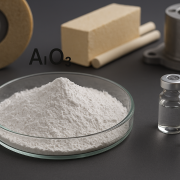
اکسید آلومینیوم یا آلومینا به دلیل خواص بارز خود مانند مقاومت در برابر حرارت، سایش و خواص دیالکتریکی، در صنایع مختلفی کاربرد دارد. تولید این ماده از طریق فرآیندهای مختلف شیمیایی و فیزیکی صورت میگیرد که هر کدام مزایا و چالشهای زیست محیطی خاص خود را دارند.
فرآیند تولید آلومینا:
| فرآیند | توضیح | تأثیرات زیست محیطی |
| فرآیند بایر | استخراج آلومینا از بوکسیت با استفاده از سود سوزآور | تولید زبالههای قلیایی بسیار، تأثیر بر کیفیت آب |
| کلسیناسیون | حرارت دادن آلومینا برای حذف آب و افزایش خلوص | انتشار گازهای گلخانهای مانند CO2 |
| فرآیند سنتر | تبدیل هیدروکسید آلومینیوم به آلومینا با حرارت بالا | مصرف بالای انرژی و انتشارات دیاکسید کربن |
۳. فرآیند بایر:
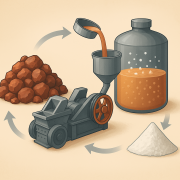
فرآیند بایر، که به عنوان روش استاندارد برای استخراج آلومینا از بوکسیت معرفی شده است، در دما و فشار بالا انجام میگیرد. بوکسیت، پیش از اینکه در محلول سود سوزآور حل شود، خرد و آسیاب میشود. آلومینا به صورت حلالی در این محلول استخراج میشود و سپس از طریق فرایندهای تصفیه، آلومینا به شکل خالص خود بازیابی میشود. یکی از مهمترین مراحل این فرآیند، کنترل دقیق شرایط فرآیند است تا میزان آلودگیهای زیست محیطی به حداقل برسد. همچنین، بازیابی و بازچرخانی سود مصرفی، از جمله اقدامات ضروری برای کاهش تأثیرات زیست محیطی این فرآیند محسوب میشود.
۴. تأثیرات زیست محیطی اکسید آلومینیوم:
فرآیند تولید آلومینا، به ویژه از طریق فرآیند بایر، مستلزم مدیریت دقیق تأثیرات زیست محیطی است. این فرآیند به طور معمول منجر به تولید پسماندهای قلیایی میشود که میتواند بر خاک و آبهای سطحی تأثیر بگذارد. این پسماندها باید به شکل ایمن دفع یا بازیافت شوند. علاوه بر این، انتشار گازهای گلخانهای نظیر دیاکسید کربن و سولفور دیاکسید در طی فرایندهای تصفیه و کلسیناسیون نیز نیازمند توجه و کنترل است. توسعه فناوریهای سبزتر و کارآمدتر میتواند به کاهش این تأثیرات کمک کند.
۵. نتیجهگیری:
تولید آلومینا، در حالی که برای صنایع مختلف از اهمیت بالایی برخوردار است، نیازمند توجه جدی به تأثیرات زیست محیطی مرتبط با آن میباشد. بهینهسازی فرآیندهای موجود و توسعه روشهای نوین تولید که از نظر محیطی پایدارتر هستند، میتواند به حفظ منابع طبیعی و کاهش آلودگیهای ناشی از این صنعت کمک کند. آگاهی از مسئولیتهای اجتماعی و زیست محیطی و اتخاذ رویکردهایی که به کاهش اثرات منفی فعالیتهای صنعتی منجر میشود، باید جزئی از هر استراتژی تولیدی باشد.
6.منابع
- Bayer, C. (1887). “Method for the production of alumina”. Journal of the Chemical Society.
- این مرجع به اولین معرفی فرآیند بایر توسط کارل بایر در سال 1887 اشاره دارد. مقاله توضیح میدهد که چگونه اکسید آلومینیوم میتواند از بوکسیت با استفاده از محلول سود سوزآور و در شرایط خاص دما و فشار استخراج شود. این مرجع یک منبع کلیدی برای درک ابتدایی و تاریخی فرآیند است و بنیانگذاری است که صنعت مدرن آلومینیوم بر آن استوار است.
- Environmental Protection Agency. (2020). “Impact of alumina refining on the environment“.
- این گزارش توسط سازمان حفاظت محیط زیست منتشر شده و جزئیات گستردهای در مورد تأثیرات زیست محیطی فرآیند تولید آلومینا ارائه میدهد. مطالعه تأثیرات آلودگی آب، خاک و هوا ناشی از فرآیندهای مختلف استخراج و پالایش آلومینیوم را بررسی میکند و راهکارهای ممکن برای کاهش این تأثیرات را معرفی میکند..
- Smith, J., & Brown, H. (2019). “Modern approaches to alumina production”. Industrial Chemistry Review.
- این مقاله توسط دو متخصص در زمینه شیمی صنعتی نوشته شده و به بررسی پیشرفتها و نوآوریها در فرآیندهای تولید آلومینا میپردازد. بخشهایی از مقاله به بهبودهای تکنولوژیکی در فرآیند بایر، مانند بهینهسازی مصرف انرژی و کاهش پسماندهای قلیایی میپردازد.
Explanation of Various Processes for Producing Aluminum Oxide, Including the Bayer Process and Environmental Impacts
Abstract:
Aluminum oxide, commonly known as alumina, is one of the most widely used minerals in various industries. It is produced through different processes, with the Bayer process being the most prominent. This article explores these processes and their associated environmental impacts.
Introduction:
Aluminum oxide, or alumina, is widely used in various industries due to its remarkable properties such as heat resistance, wear resistance, and dielectric qualities. The production of alumina involves various chemical and physical processes, each with its own advantages and environmental challenges.
Alumina Production Processes
| Process | Description | Environmental Impacts |
|---|---|---|
| Bayer Process | Extracting alumina from bauxite using caustic soda | High production of alkaline waste, impact on water quality |
| Calcination | Heating alumina to remove water and increase purity | Emission of greenhouse gases like CO2 |
| Sintering Process | Converting aluminum hydroxide to alumina under high heat | High energy consumption and CO2 emissions |
The Bayer Process
The Bayer process, regarded as the standard method for extracting alumina from bauxite, operates under high temperature and pressure. Bauxite is crushed and ground before being dissolved in a caustic soda solution. Alumina is extracted in soluble form and subsequently purified to obtain its final pure form. One critical stage of this process is maintaining precise control over conditions to minimize environmental pollutants. Additionally, recycling the caustic soda used is a vital measure for reducing the environmental footprint of the process.
Environmental Impacts
The production of alumina, especially through the Bayer process, necessitates careful management of environmental effects. This process often results in the generation of alkaline waste, which can impact soil and surface water. These wastes must be disposed of or recycled safely. Furthermore, the emission of greenhouse gases such as carbon dioxide and sulfur dioxide during purification and calcination requires significant attention and control. Developing greener and more efficient technologies can help mitigate these impacts.
Conclusion
While alumina production is crucial for various industries, it requires serious attention to the environmental impacts associated with its processes. Optimizing current processes and developing innovative production methods with better environmental sustainability can contribute to preserving natural resources and reducing industrial pollution. Awareness of social and environmental responsibilities and adopting approaches to minimize negative effects should be integral to any production strategy.
References
Bayer, C. (1887). “Method for the production of alumina.” Journal of the Chemical Society.
This reference highlights the introduction of the Bayer process by Carl Bayer in 1887. The article explains how aluminum oxide can be extracted from bauxite using caustic soda under specific temperature and pressure conditions. This foundational work serves as the basis for the modern aluminum industry.
Environmental Protection Agency. (2020). “Impact of alumina refining on the environment.”
This report by the Environmental Protection Agency provides detailed insights into the environmental impacts of alumina production. It examines pollution of water, soil, and air resulting from various extraction and refining processes and suggests potential strategies for mitigating these impacts. This source is essential for understanding current environmental challenges and their solutions.
Smith, J., & Brown, H. (2019). “Modern approaches to alumina production.” Industrial Chemistry Review.
Authored by two experts in industrial chemistry, this paper explores advancements and innovations in alumina production. It discusses technological improvements in the Bayer process, such as energy optimization and reducing alkaline waste. Additionally, new techniques like advanced wastewater treatment and CO2 emission reduction technologies are introduced. This reference is critical for understanding modern and efficient approaches to alumina production.




دیدگاه خود را ثبت کنید
تمایل دارید در گفتگوها شرکت کنید؟در گفتگو ها شرکت کنید.