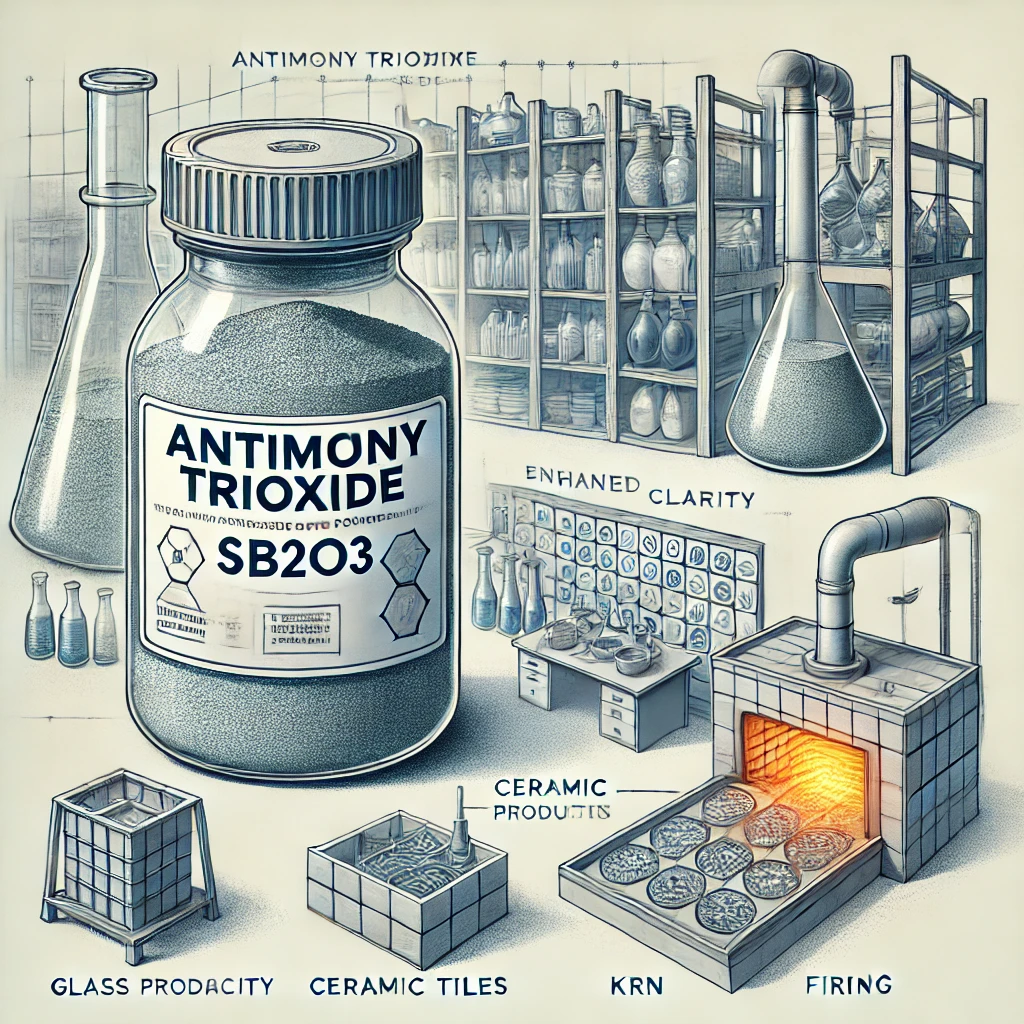
استفاده از تری اکسید آنتیموان در تولید شیشه و سرامیک
چکیده
تری اکسید آنتیموان (Sb₂O₃) یکی از ترکیبات مهم در صنایع شیشه و سرامیک است که بهعنوان مادهای موثر در بهبود شفافیت، کنترل رنگ، و افزایش مقاومت حرارتی مورد استفاده قرار میگیرد. این ماده بهویژه در تولید شیشههای نوری، کریستالی و مقاوم در برابر حرارت کاربرد دارد. همچنین در تولید سرامیکهای خاص، لعابهای سرامیکی و پوششهای مقاوم به حرارت نقش کلیدی ایفا میکند. در این مقاله، خواص شیمیایی و فیزیکی تری اکسید آنتیموان، نقش آن در فرآیند تولید شیشه و سرامیک، مزایا و معایب استفاده از آن، و مقایسه آن با سایر ترکیبات مشابه بررسی خواهد شد.
۱. مقدمه
شیشه و سرامیک از جمله موادی هستند که در صنایع مختلف از جمله ساختمانسازی، صنایع اپتیک، خودروسازی و الکترونیک مورد استفاده قرار میگیرند. یکی از چالشهای اصلی در تولید شیشه و سرامیک، کنترل رنگ، شفافیت، و بهبود خواص فیزیکی آنها است. در این راستا، استفاده از ترکیبات فلزی مانند تری اکسید آنتیموان (Sb₂O₃) میتواند مزایای متعددی داشته باشد. این ترکیب بهعنوان عامل کاهنده و شفافکننده در تولید شیشههای کریستالی و نوری مورد استفاده قرار گرفته و در لعابهای سرامیکی نیز نقش کلیدی دارد.
۲. خواص شیمیایی و فیزیکی تری اکسید آنتیموان
| ویژگی | مشخصات |
|---|---|
| فرمول شیمیایی | Sb₂O₃ |
| رنگ | سفید مایل به زرد |
| نقطه ذوب | 656 درجه سانتیگراد |
| حلالیت در آب | نامحلول |
| خواص نوری | بهبود شفافیت و کاهش انعکاس |
| مقاومت حرارتی | بالا (مناسب برای کاربردهای دمای بالا) |
| تأثیر در شیشه | حذف رنگهای ناخواسته و افزایش شفافیت |
۳. نقش تری اکسید آنتیموان در تولید شیشه و سرامیک
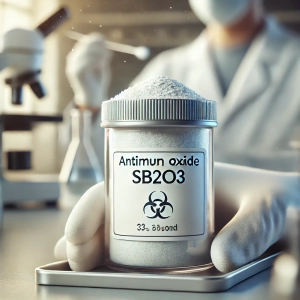
تری اکسید آنتیموان (Sb₂O₃) به دلیل ویژگیهای منحصربهفرد خود در فرآیندهای مختلف تولید شیشه و سرامیک، بهعنوان یک ماده کلیدی در کنترل شفافیت، بهبود مقاومت حرارتی و تثبیت رنگها مورد استفاده قرار میگیرد. در این بخش، جزئیات بیشتری درباره نحوه تأثیر این ترکیب بر شیشه و سرامیک بررسی خواهد شد.
۳.۱. بهبود شفافیت و حذف ناخالصیها در شیشه
یکی از مهمترین نقشهای تری اکسید آنتیموان در صنعت شیشه، کاهش ناخالصیها و کنترل رنگ شیشه است. در فرآیند تولید شیشه، برخی یونهای فلزی مانند آهن میتوانند باعث ایجاد رنگهای نامطلوب شوند. حضور Fe²⁺ و Fe³⁺ در مواد اولیه، باعث ایجاد رنگ سبز یا زرد در شیشه میشود که در کاربردهای خاصی مانند شیشههای اپتیکی یا کریستالی نامطلوب است.
تری اکسید آنتیموان با داشتن خاصیت عامل کاهنده (Reducing Agent)، با Fe³⁺ واکنش داده و آن را به Fe²⁺ تبدیل میکند که باعث کاهش میزان رنگ زرد و افزایش شفافیت شیشه میشود. همچنین، این ترکیب میتواند با سایر ناخالصیهای فلزی واکنش داده و آنها را به ترکیباتی با خاصیت انعکاس کمتر تبدیل کند که منجر به تولید شیشههای نوری با وضوح بالا میشود.
فرآیند واکنش با آهن در شیشه:
Sb₂O₃ + Fe₂O₃ → Sb₂O₄ + FeO
در این واکنش، Fe₂O₃ (عامل رنگ زرد) به FeO تبدیل میشود که تأثیر کمتری بر رنگ شیشه دارد.
کاربردها در این حوزه:
- تولید شیشههای کریستالی با وضوح و شفافیت بالا
- کاربرد در شیشههای اپتیک و فیبر نوری
- تولید شیشههای مقاوم در برابر اشعه فرابنفش برای عینکها و فیلترهای نوری
۳.۲. استفاده در تولید شیشههای اپتیک و مقاوم به حرارت
تری اکسید آنتیموان در شیشههای اپتیکی و مقاوم به حرارت نقش مهمی ایفا میکند. این ترکیب باعث افزایش ضریب شکست نور در شیشه شده و به بهبود خواص اپتیکی آن کمک میکند. همچنین، این ترکیب با تغییر ساختار مولکولی شیشه، باعث افزایش مقاومت در برابر شوکهای حرارتی میشود.
ویژگیهای کلیدی در شیشههای مقاوم به حرارت:
- افزایش مقاومت شیشه در برابر تغییرات دمایی: شیشههایی که حاوی Sb₂O₃ هستند، مقاومت بیشتری در برابر شوک حرارتی دارند که در صنایع خودروسازی و تولید ظروف آزمایشگاهی کاربرد دارد.
- افزایش مقاومت مکانیکی: این ترکیب موجب افزایش سختی شیشه شده و در تولید شیشههای ضدخش و مقاوم به ضربه استفاده میشود.
- کاهش انعکاس نور و بهبود وضوح: شیشههایی که در آنها از این ترکیب استفاده شده است، نور را بهتر عبور میدهند و در صنایع اپتیکی مورد استفاده قرار میگیرند.
کاربردها در این حوزه:
- تولید شیشههای نوری و فیلترهای ضدبازتاب
- استفاده در عینکهای اپتیکی و دوربینهای پیشرفته
- کاربرد در شیشههای ضدضربه برای صنایع خودروسازی و هوافضا
۳.۳. نقش در تولید سرامیکهای پیشرفته و لعابهای سرامیکی
تری اکسید آنتیموان در صنعت سرامیک، بهویژه در تولید لعابهای سرامیکی و مواد مقاوم به سایش، اهمیت بالایی دارد. این ماده باعث بهبود خواص نوری، شیمیایی و مکانیکی لعابهای سرامیکی شده و طیف گستردهای از رنگها را ایجاد میکند.
۳.۳.۱. تأثیر بر خواص رنگی سرامیکها
تری اکسید آنتیموان در دماهای بالا، با سایر اکسیدهای فلزی مانند اکسید قلع (SnO₂) و اکسید آهن (Fe₂O₃) واکنش داده و طیفهای مختلفی از رنگها را ایجاد میکند. بهعنوان مثال، ترکیب آن با SnO₂ موجب تولید رنگ زرد آنتیموانی در سرامیکها میشود که یکی از مهمترین رنگهای مورد استفاده در لعابهای زینتی و صنعتی است.
۳.۳.۲. افزایش مقاومت حرارتی و شیمیایی لعاب
یکی از مهمترین ویژگیهای لعابهای حاوی Sb₂O₃، افزایش مقاومت در برابر عوامل شیمیایی و حرارتهای بالا است. لعابهای حاوی این ترکیب در محیطهای اسیدی و بازی پایدارتر بوده و در برابر شوکهای حرارتی مقاومت بالاتری دارند.
| ویژگی لعابهای حاوی Sb₂O₃ | توضیحات |
|---|---|
| مقاومت حرارتی بالا | عدم تغییر رنگ و ترکخوردگی در دمای بالا |
| افزایش پایداری رنگ | رنگهای ثابت و یکنواخت در طول زمان |
| کاهش انقباض لعاب | کاهش ترکهای سطحی و افزایش چسبندگی به بدنه سرامیکی |
| مقاومت شیمیایی بالا | جلوگیری از خوردگی لعاب در محیطهای صنعتی و خورنده |
۳.۳.۳. کاربردهای لعابهای حاوی تری اکسید آنتیموان
- تولید کاشیهای با دوام بالا برای استفاده در ساختمانسازی
- لعابهای مقاوم در برابر حرارت و مواد شیمیایی برای صنایع پتروشیمی
- لعابهای تزئینی با رنگهای خاص برای استفاده در آثار هنری سرامیکی
۳.۴. ترکیب تری اکسید آنتیموان با سایر مواد در شیشه و سرامیک
برای بهبود خواص و کاهش هزینههای تولید، ترکیب Sb₂O₃ با سایر اکسیدهای فلزی میتواند تأثیر زیادی بر کیفیت محصول نهایی داشته باشد. در جدول زیر برخی از ترکیبات مهم و اثرات آنها آورده شده است:
| ترکیب | اثر در شیشه و سرامیک |
|---|---|
| تری اکسید آنتیموان (Sb₂O₃) | حذف رنگهای ناخواسته، افزایش مقاومت شیمیایی |
| اکسید قلع (SnO₂) | ایجاد رنگ زرد در لعاب، بهبود سختی لعاب |
| دیاکسید تیتانیوم (TiO₂) | افزایش درخشندگی و مقاومت UV |
| اکسید آهن (Fe₂O₃) | تولید رنگهای قرمز و قهوهای در سرامیک |
| اکسید منگنز (MnO₂) | تولید رنگهای سیاه و بنفش در شیشه و لعاب |
جمعبندی
تری اکسید آنتیموان بهعنوان یکی از مواد پرکاربرد در صنعت شیشه و سرامیک نقش کلیدی در بهبود شفافیت، حذف ناخالصیها، افزایش مقاومت حرارتی، و تثبیت رنگ در لعابها دارد. استفاده از این ترکیب در شیشههای کریستالی، نوری و اپتیکی باعث بهبود کیفیت محصولات میشود. در صنایع سرامیک نیز، نقش مهمی در تولید لعابهای با دوام و رنگهای ثابت دارد.
با این حال، به دلیل قیمت بالا و اثرات زیستمحیطی، پژوهشهایی برای یافتن جایگزینهای پایدارتر مانند دیاکسید تیتانیوم و اکسید قلع در حال انجام است. با توجه به اهمیت این ماده در بهبود کیفیت و کارایی شیشه و سرامیک، میتوان انتظار داشت که همچنان نقش مهمی در صنایع مختلف ایفا کند.
۴. مزایا و معایب استفاده از تری اکسید آنتیموان در شیشه و سرامیک
۴.۱. مزایا
| مزیت | توضیحات |
|---|---|
| بهبود شفافیت و حذف ناخالصیها | حذف رنگهای ناخواسته در شیشه و افزایش وضوح |
| افزایش مقاومت حرارتی | مناسب برای شیشههای مقاوم به دما و ضربه حرارتی |
| بهبود خواص اپتیکال | افزایش ضریب شکست نور در شیشههای نوری |
| افزایش استحکام در سرامیکها | تقویت مقاومت در برابر سایش و حرارت |
۴.۲. معایب
| عیب | توضیحات |
|---|---|
| سمیت بالا در صورت تماس مستقیم | نیاز به اقدامات ایمنی در فرآیندهای تولید |
| هزینه نسبی بالا | گرانتر از برخی جایگزینها مانند دیاکسید تیتانیوم |
| اثرات زیستمحیطی | نیاز به مدیریت دقیق پسماندهای حاوی آنتیموان |
۵. مقایسه تری اکسید آنتیموان با سایر ترکیبات مورد استفاده در شیشه و سرامیک
| ماده | نقش در شیشه و سرامیک | مزایا | معایب |
|---|---|---|---|
| تری اکسید آنتیموان (Sb₂O₃) | شفافکننده و کاهش رنگ | حذف ناخالصیها، بهبود شفافیت، افزایش مقاومت حرارتی | سمیت بالا، هزینه بالا |
| دیاکسید تیتانیوم (TiO₂) | افزایش درخشندگی و رنگ سفید | غیرسمی، اقتصادی | کاهش شفافیت در برخی ترکیبات |
| اکسید قلع (SnO₂) | ایجاد لعابهای سفید و مقاوم | افزایش مقاومت شیمیایی | هزینه بالا، محدودیت در ایجاد طیف رنگی |
| اکسید آهن (Fe₂O₃) | ایجاد رنگ قرمز و قهوهای | ارزان و مقاوم | محدودیت در تنظیم شفافیت و رنگ |
۶. نتیجهگیری
تری اکسید آنتیموان بهعنوان یک عامل کلیدی در افزایش شفافیت، بهبود مقاومت حرارتی و کنترل رنگ در تولید شیشه و سرامیک نقش حیاتی ایفا میکند. این ترکیب در تولید شیشههای کریستالی، نوری و مقاوم به حرارت مورد استفاده قرار میگیرد و در لعابهای سرامیکی و پوششهای مقاوم بهعنوان یک ماده تثبیتکننده و بهبوددهنده خواص بهکار میرود.
با این حال، به دلیل هزینه بالا و اثرات زیستمحیطی، نیاز به مدیریت دقیق در فرآیندهای تولید و استفاده از آن وجود دارد. تحقیق در زمینه مواد جایگزین با سمیت کمتر و عملکرد مشابه میتواند در آینده منجر به بهینهسازی مصرف این ماده در صنایع مختلف شود.
۷. منابع پیشنهادی برای مطالعه بیشتر
- Glass and Ceramic Engineering Handbook, 2022
- Industrial Applications of Antimony Compounds, Journal of Materials Science, 2021
- Role of Sb₂O₃ in Optical Glass Production, Applied Optics Journal, 2020
- Advances in Ceramic Coatings, American Ceramic Society, 2022
- Environmental Impact of Antimony in Industry, Green Chemistry Journal, 2019
Use of Antimony Trioxide in Glass and Ceramic Production
Abstract
Antimony trioxide (Sb₂O₃) is an essential compound in the glass and ceramic industries, playing a key role in enhancing transparency, controlling color, and increasing heat resistance. This material is particularly used in the production of optical, crystal, and heat-resistant glass. It also has a crucial role in manufacturing specialty ceramics, ceramic glazes, and heat-resistant coatings. This article examines the chemical and physical properties of antimony trioxide, its role in glass and ceramic production, its advantages and disadvantages, and comparisons with other similar compounds.
1. Introduction
Glass and ceramics are widely used in various industries, including construction, optics, automotive, and electronics. One of the main challenges in glass and ceramic production is controlling color, transparency, and improving physical properties. In this regard, using metal compounds such as antimony trioxide (Sb₂O₃) provides multiple benefits. This compound acts as a reducing agent and clarifier in the production of crystal and optical glass and plays a key role in ceramic glazes.
2. Chemical and Physical Properties of Antimony Trioxide
| Property | Specification |
|---|---|
| Chemical Formula | Sb₂O₃ |
| Color | White to yellowish-white |
| Melting Point | 656°C |
| Solubility in Water | Insoluble |
| Optical Properties | Enhances transparency and reduces reflection |
| Thermal Resistance | High (suitable for high-temperature applications) |
| Effect on Glass | Removes unwanted colors and increases clarity |
3. Role of Antimony Trioxide in Glass and Ceramic Production
Antimony trioxide (Sb₂O₃) is widely used in various glass and ceramic production processes due to its unique properties. It acts as a key component in controlling transparency, enhancing heat resistance, and stabilizing colors. Below, we explore its impact in greater detail.
3.1. Enhancing Transparency and Removing Impurities in Glass
One of the primary roles of antimony trioxide in the glass industry is reducing impurities and controlling glass color. During glass production, certain metal ions, such as iron, can cause undesirable coloration. The presence of Fe²⁺ and Fe³⁺ in raw materials results in green or yellow tinting in glass, which is undesirable for applications like optical or crystal glass.
Antimony trioxide acts as a reducing agent (Sb₂O₃ → Sb₂O₄), reacting with Fe³⁺ ions and converting them into Fe²⁺, thereby reducing the yellowish tint and increasing glass transparency. It also reacts with other metallic impurities, transforming them into compounds with lower reflectivity, which is ideal for high-clarity optical glass.
Reaction with Iron in Glass Production:
Sb₂O₃ + Fe₂O₃ → Sb₂O₄ + FeO
(Here, Fe₂O₃, responsible for yellow tint, is converted into FeO, which has a lesser impact on glass color.)
Applications in this field:
- Production of high-clarity crystal glass
- Use in optical glass and fiber optics
- Manufacturing UV-resistant glass for eyewear and optical filters
3.2. Use in Optical and Heat-Resistant Glass Production
Antimony trioxide is essential in producing optical and heat-resistant glass. This compound increases the refractive index of glass, improving its optical properties. Additionally, Sb₂O₃ modifies the molecular structure of glass, making it more resistant to thermal shock.
Key Features in Heat-Resistant Glass:
- Enhanced resistance to temperature fluctuations: Glass containing Sb₂O₃ withstands thermal shocks better, making it useful in automotive and laboratory glassware.
- Increased mechanical strength: This compound strengthens glass, making it scratch-resistant and impact-resistant.
- Reduced light reflection and improved clarity: Glass with this compound transmits light more efficiently, making it ideal for optical applications.
Applications in this field:
- Production of optical glass and anti-reflective filters
- Use in prescription eyewear and high-precision cameras
- Manufacturing impact-resistant glass for automotive and aerospace industries
3.3. Role in Advanced Ceramics and Ceramic Glazes
Antimony trioxide is highly valuable in the ceramic industry, especially in producing ceramic glazes and abrasion-resistant materials. This compound improves the optical, chemical, and mechanical properties of ceramic glazes and contributes to a wide range of color effects.
3.3.1. Effect on Ceramic Color Properties
At high temperatures, Sb₂O₃ reacts with other metallic oxides like tin oxide (SnO₂) and iron oxide (Fe₂O₃) to create various colors. For example, combining it with SnO₂ produces antimony yellow, a key color in decorative and industrial glazes.
3.3.2. Increasing Thermal and Chemical Resistance of Glazes
Ceramic glazes containing Sb₂O₃ are more resistant to chemical agents and high temperatures. These glazes remain stable in acidic and alkaline environments and resist thermal shocks effectively.
| Feature of Sb₂O₃-Based Glazes | Description |
|---|---|
| High thermal resistance | No color change or cracking at high temperatures |
| Increased color stability | Long-lasting, consistent hues over time |
| Reduced glaze shrinkage | Less surface cracking, better adhesion to ceramics |
| High chemical resistance | Prevents glaze degradation in industrial and corrosive environments |
3.3.3. Applications of Sb₂O₃-Containing Glazes
- Production of durable ceramic tiles for construction applications
- Heat- and chemical-resistant glazes for petrochemical industries
- Decorative ceramic glazes with unique color properties for artistic ceramic pieces
3.4. Combining Antimony Trioxide with Other Compounds in Glass and Ceramics
To improve properties and reduce costs, Sb₂O₃ is often combined with other metallic oxides in glass and ceramic manufacturing. The table below highlights some important compounds and their effects:
| Compound | Effect in Glass and Ceramics |
|---|---|
| Antimony Trioxide (Sb₂O₃) | Removes unwanted colors, enhances chemical resistance |
| Tin Oxide (SnO₂) | Produces yellow color in glazes, improves glaze hardness |
| Titanium Dioxide (TiO₂) | Increases brightness and UV resistance |
| Iron Oxide (Fe₂O₃) | Produces red and brown hues in ceramics |
| Manganese Oxide (MnO₂) | Creates black and purple colors in glass and glaze |
4. Advantages and Disadvantages of Using Antimony Trioxide in Glass and Ceramics
4.1. Advantages
| Advantage | Description |
|---|---|
| Improves transparency and removes impurities | Eliminates unwanted colors in glass, enhancing clarity |
| Enhances heat resistance | Suitable for high-temperature and impact-resistant glass |
| Improves optical properties | Increases refractive index in optical glass |
| Strengthens ceramics | Enhances abrasion and heat resistance in ceramic coatings |
4.2. Disadvantages
| Disadvantage | Description |
|---|---|
| High toxicity upon direct contact | Requires safety precautions during production |
| Relatively high cost | More expensive than some alternatives like TiO₂ |
| Environmental concerns | Requires careful management of Sb₂O₃-containing waste |
5. Conclusion
Antimony trioxide is a critical component in improving transparency, heat resistance, and color control in glass and ceramic production. It is widely used in crystal, optical, and heat-resistant glass manufacturing and plays a significant role in ceramic glazes and durable coatings.
However, due to high costs and environmental concerns, research is ongoing to find safer and more cost-effective alternatives, such as titanium dioxide (TiO₂) and tin oxide (SnO₂). Despite these challenges, Sb₂O₃ continues to be an indispensable material in the glass and ceramic industries due to its unique advantages.




دیدگاه خود را ثبت کنید
تمایل دارید در گفتگوها شرکت کنید؟در گفتگو ها شرکت کنید.