
شیمایی شیمیایی شیمیو عرضه مستقیم استات کبالت در بازار ایران را به عهده دارد.
تأثیرات سمی استات کبالت
چکیده
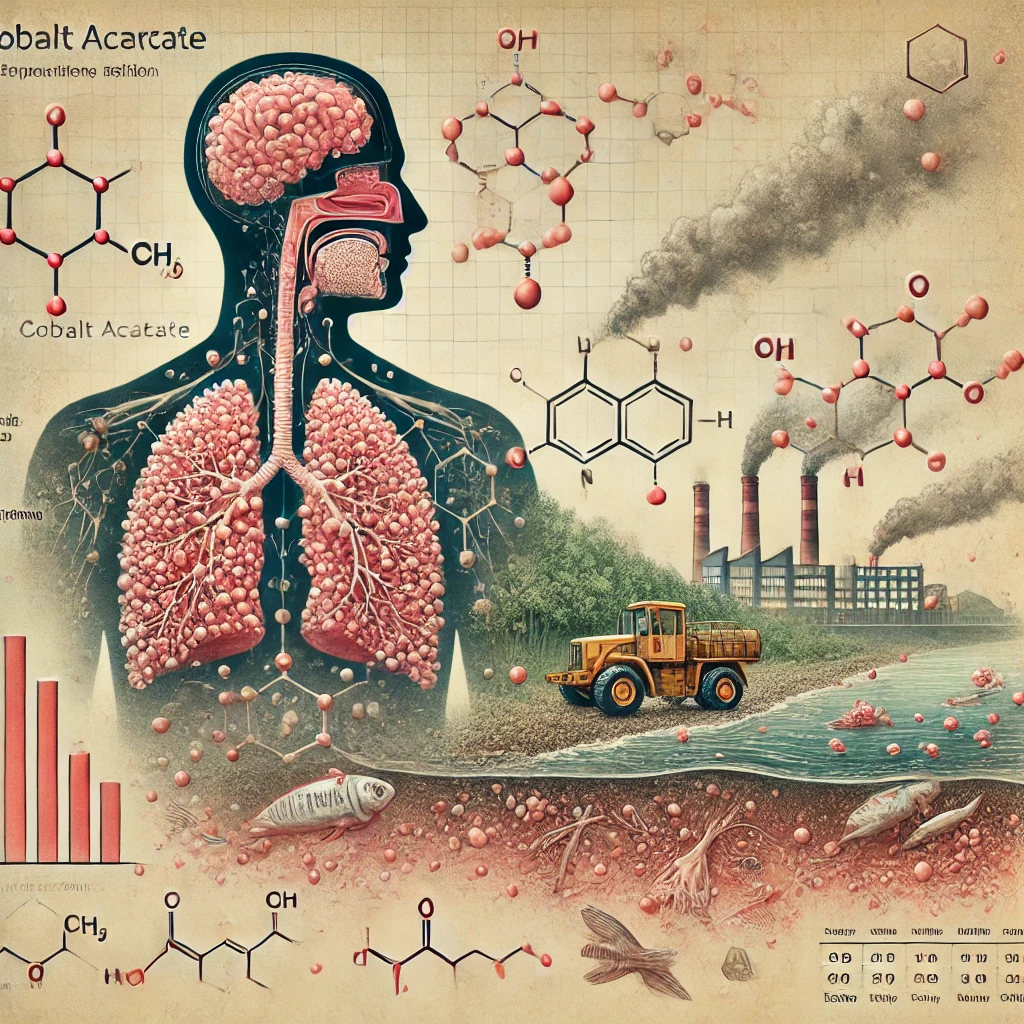
استات کبالت یکی از ترکیبات کبالت است که در صنایع مختلف از جمله تولید کاتالیستها، رنگها و باتریها مورد استفاده قرار میگیرد. با وجود کاربردهای گسترده، این ترکیب میتواند اثرات سمی بر سلامت انسان و محیطزیست داشته باشد. این مقاله به بررسی تأثیرات سمی استات کبالت، مکانیسمهای زیانآور آن بر بدن انسان، پیامدهای زیستمحیطی و روشهای کنترل و کاهش مخاطرات آن میپردازد.
۱. مقدمه
کبالت یکی از فلزات ضروری برای عملکردهای بیولوژیکی در مقادیر کم است، اما مواجهه بیش از حد با ترکیبات کبالت مانند استات کبالت میتواند به بروز مشکلات جدی سلامتی و آسیبهای محیطی منجر شود. در این مقاله، اثرات استات کبالت بر انسان و محیطزیست بررسی شده و راهکارهای کاهش خطرات آن ارائه میشود.
۲. اثرات سمی بر سلامت انسان
۲.۱. اثرات حاد و مزمن
استات کبالت میتواند از طریق تماس پوستی، استنشاق یا بلعیدن وارد بدن شود و بسته به میزان و مدت زمان مواجهه، اثرات متفاوتی بر سلامت انسان داشته باشد:
- اثرات حاد:
- تحریک چشم، پوست و دستگاه تنفسی
- ایجاد حالت تهوع، استفراغ و درد شکمی در صورت بلعیدن
- التهاب و سرفه در اثر استنشاق بخارات یا گرد و غبار حاوی استات کبالت
- اثرات مزمن:
- سمیت ریوی و بیماریهای تنفسی مانند آسم و برونشیت مزمن
- تجمع کبالت در بدن و بروز اثرات کاردیوتوکسیک (تأثیر منفی بر قلب)
- افزایش خطر ابتلا به سرطان به دلیل خواص سرطانزایی کبالت در مواجهه طولانیمدت
۲.۲. مکانیسمهای سمیت در بدن
استات کبالت از طریق افزایش استرس اکسیداتیو و اختلال در فعالیت آنزیمهای حیاتی میتواند به سلولها آسیب برساند. ورود این ترکیب به جریان خون باعث تولید رادیکالهای آزاد شده و به DNA، پروتئینها و لیپیدهای سلولی آسیب وارد میکند.
۲.۳. تأثیرات بر سیستم عصبی و قلبیعروقی
- در مطالعات مشخص شده که مواجهه طولانیمدت با استات کبالت میتواند باعث نوروپاتی، تغییرات در عملکرد شناختی و اختلالات عصبی شود.
- سمیت قلبی شامل افزایش فشار خون، ضربان نامنظم قلب و نارسایی قلبی از دیگر خطرات مواجهه با این ماده است.
۳. اثرات زیستمحیطی استات کبالت
۳.۱. آلودگی خاک و آب
- استات کبالت به دلیل حلالیت نسبی در آب میتواند به منابع آبهای سطحی و زیرزمینی نفوذ کرده و باعث آلودگی شود.
- این ماده ممکن است در خاک باقی مانده و از طریق زنجیره غذایی به گیاهان، حیوانات و در نهایت انسان منتقل شود.
- آلودگی منابع آبی میتواند باعث کاهش کیفیت آب شرب و اثرات منفی بر روی اکوسیستمهای وابسته به آب شود.
- کبالت تجمعیافته در خاک میتواند میکروارگانیسمهای مفید خاک را تحت تأثیر قرار داده و باعث تغییر در تعادل زیستی محیطی شود.
۳.۲. تأثیر بر حیات وحش و اکوسیستمهای آبی
- تجمع کبالت در بدن آبزیان باعث آسیبهای سلولی، تغییر در رفتار، کاهش سطح اکسیژنرسانی به بافتها و اختلال در تولیدمثل میشود.
- مطالعات نشان دادهاند که غلظتهای بالای کبالت در محیطهای آبی منجر به کاهش تنوع زیستی و مرگ برخی گونههای حساس مانند ماهیان و بیمهرگان آبی میشود.
- پرندگان و حیواناتی که از آبهای آلوده به کبالت تغذیه میکنند، ممکن است دچار مشکلات رشد، بیماریهای کبدی و کلیوی و ناهنجاریهای ژنتیکی شوند.
- در مناطقی که معادن کبالت و صنایع وابسته فعال هستند، احتمال کاهش جمعیت گونههای خاص و به هم خوردن تعادل اکولوژیکی وجود دارد.
۳.۳. پایداری و تجزیه زیستی
- استات کبالت به کندی در محیط تجزیه میشود و میتواند در طولانیمدت اثرات مخربی بر اکوسیستمها داشته باشد.
- این ماده میتواند از طریق جذب توسط ذرات رسوبی، به مدت طولانی در بستر رودخانهها و دریاچهها باقی بماند و اثرات تجمعی در اکوسیستمهای آبی ایجاد کند.
- تحقیقات نشان داده است که برخی میکروارگانیسمها قادر به تجزیه و جذب مقادیر محدودی از کبالت هستند، اما این فرآیند بسیار کند بوده و به شرایط محیطی خاصی نیاز دارد.
- سمیت زیستی کبالت بر میکروارگانیسمهای مفید در خاک و آب میتواند باعث کاهش فعالیتهای زیستی و تغییرات در ساختار اکوسیستمهای محلی شود.
۴. راهکارهای کاهش مخاطرات و مدیریت ایمنی
۴.۱. کنترل تماس انسانی
- استفاده از تجهیزات ایمنی مانند دستکش، ماسک و عینک محافظ در محیطهای کاری
- بهکارگیری سیستمهای تهویه مناسب برای کاهش بخارات و گرد و غبار استات کبالت
- محدود کردن میزان مواجهه شغلی مطابق با استانداردهای سازمانهای بهداشت حرفهای
۴.۲. روشهای کاهش آلودگی محیطزیست
- تصفیه فاضلابهای صنعتی حاوی کبالت قبل از ورود به محیطزیست
- استفاده از فناوریهای جذب و حذف فلزات سنگین برای کاهش میزان کبالت در آب و خاک
- ایجاد برنامههای پایش زیستمحیطی برای کنترل میزان انتشار کبالت در اکوسیستمها
۴.۳. جایگزینهای سبز و پایدار
- تحقیق و توسعه برای یافتن جایگزینهای کمخطرتر در صنایع وابسته به کبالت
- استفاده از مواد نانو برای کاهش میزان مصرف استات کبالت در کاتالیستها و رنگها
۵. نتیجهگیری
استات کبالت، علیرغم کاربردهای صنعتی گسترده، میتواند اثرات سمی قابلتوجهی بر سلامت انسان و محیطزیست داشته باشد. این ترکیب از طریق ایجاد استرس اکسیداتیو و سمیت سلولی میتواند به ارگانهای حیاتی آسیب برساند و همچنین باعث آلودگی منابع آب و خاک شود. برای کاهش این مخاطرات، اجرای مقررات ایمنی، استفاده از فناوریهای تصفیه و تحقیق در زمینه جایگزینهای کمخطرتر ضروری است.

۶. منابع
- ATSDR (Agency for Toxic Substances and Disease Registry). (2022). Toxicological Profile for Cobalt.
- World Health Organization (WHO). (2021). Cobalt and Human Health Risk Assessment.
- Environmental Protection Agency (EPA). (2023). Cobalt in the Environment: Impact and Regulations.
- Journal of Hazardous Materials. (2020). Toxicity and Bioaccumulation of Cobalt Compounds in Aquatic Systems.
- Occupational Safety and Health Administration (OSHA). (2021). Guidelines for Safe Handling of Cobalt Compounds.
Toxic Effects of Cobalt Acetate on Humans and the Environment
Abstract
Cobalt acetate is one of the cobalt compounds widely used in various industries, including catalyst production, paints, and batteries. Despite its extensive applications, this compound can have toxic effects on human health and the environment. This article examines the toxic effects of cobalt acetate, its harmful mechanisms on the human body, environmental consequences, and methods to control and mitigate its risks.
1. Introduction
Cobalt is an essential metal for biological functions in small amounts, but excessive exposure to cobalt compounds, such as cobalt acetate, can lead to serious health issues and environmental damage. This article explores the effects of cobalt acetate on humans and the environment and presents strategies to reduce its risks.
2. Toxic Effects on Human Health
2.1. Acute and Chronic Effects
Cobalt acetate can enter the body through skin contact, inhalation, or ingestion, causing various health effects depending on exposure levels and duration:
- Acute Effects:
- Irritation of the eyes, skin, and respiratory system
- Nausea, vomiting, and abdominal pain if ingested
- Inflammation and coughing due to inhalation of cobalt acetate vapors or dust
- Chronic Effects:
- Pulmonary toxicity and respiratory diseases such as asthma and chronic bronchitis
- Accumulation of cobalt in the body leading to cardiotoxic effects (negative impact on the heart)
- Increased cancer risk due to the carcinogenic properties of cobalt in prolonged exposure
2.2. Mechanisms of Toxicity in the Body
Cobalt acetate induces oxidative stress and disrupts the activity of essential enzymes, causing cellular damage. Once it enters the bloodstream, it generates free radicals, damaging DNA, proteins, and cellular lipids.
2.3. Effects on the Nervous and Cardiovascular Systems
- Studies have shown that prolonged exposure to cobalt acetate can lead to neuropathy, cognitive impairments, and neurological disorders.
- Cardiotoxicity includes high blood pressure, irregular heartbeat, and heart failure as significant risks of cobalt exposure.
3. Environmental Effects of Cobalt Acetate
3.1. Soil and Water Contamination
- Due to its relative solubility in water, cobalt acetate can infiltrate surface and groundwater sources, causing contamination.
- This compound may persist in soil and enter the food chain, affecting plants, animals, and ultimately humans.
- Water source contamination can reduce drinking water quality and negatively impact aquatic ecosystems.
- Accumulated cobalt in soil can affect beneficial microorganisms and disrupt ecological balance.
3.2. Impact on Wildlife and Aquatic Ecosystems
- Cobalt accumulation in aquatic organisms can cause cellular damage, behavioral changes, reduced oxygen transport, and reproductive issues.
- Studies indicate that high cobalt concentrations in aquatic environments reduce biodiversity and lead to the death of sensitive species such as fish and invertebrates.
- Birds and animals consuming cobalt-contaminated water may experience growth problems, liver and kidney diseases, and genetic abnormalities.
- In areas with active cobalt mining and related industries, the decline of certain species and ecological imbalance is likely.
3.3. Stability and Biodegradation
- Cobalt acetate degrades slowly in the environment, posing long-term ecological risks.
- It can bind to sediment particles and remain in riverbeds and lakes for extended periods, leading to cumulative effects in aquatic ecosystems.
- Research shows that certain microorganisms can absorb and break down limited amounts of cobalt, but this process is very slow and requires specific environmental conditions.
- The toxicity of cobalt acetate to beneficial microorganisms in soil and water can reduce biological activity and alter local ecosystem structures.
4. Risk Reduction Strategies and Safety Management
4.1. Controlling Human Exposure
- Using protective equipment such as gloves, masks, and safety goggles in workplaces
- Implementing proper ventilation systems to reduce cobalt acetate vapors and dust
- Limiting occupational exposure levels according to health and safety regulations
4.2. Methods for Reducing Environmental Contamination
- Treating industrial wastewater containing cobalt before release into the environment
- Utilizing advanced adsorption and metal removal technologies to minimize cobalt levels in water and soil
- Establishing environmental monitoring programs to control cobalt emissions in ecosystems
4.3. Green and Sustainable Alternatives
- Research and development of safer alternatives in industries dependent on cobalt
- Using nanomaterials to reduce cobalt acetate consumption in catalysts and paints
5. Conclusion
Despite its widespread industrial applications, cobalt acetate poses significant toxic effects on human health and the environment. Through oxidative stress and cellular toxicity, this compound can damage vital organs and contaminate water and soil resources. To mitigate these risks, implementing safety regulations, using purification technologies, and researching safer alternatives are essential.





دیدگاه خود را ثبت کنید
تمایل دارید در گفتگوها شرکت کنید؟در گفتگو ها شرکت کنید.